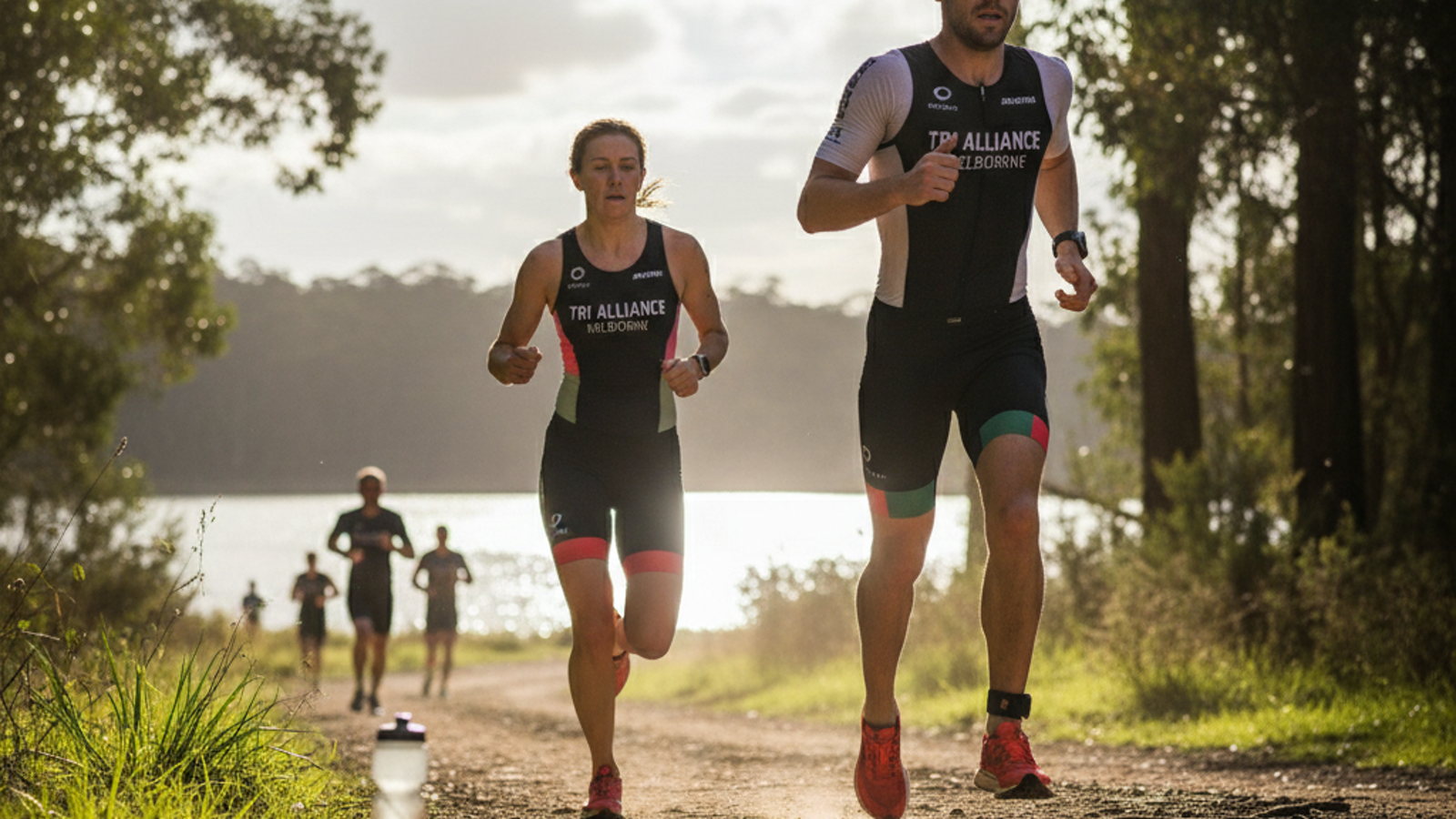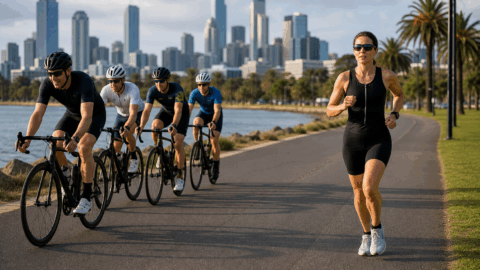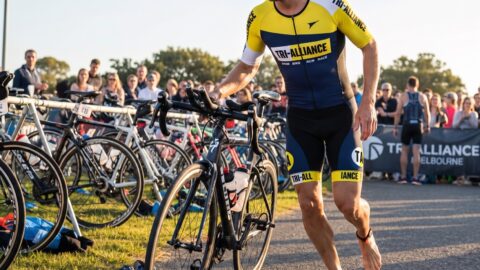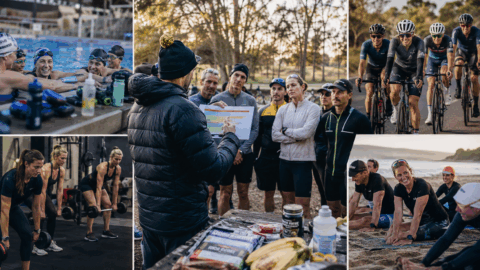

Triathlon training through Melbourne winter works when you stop asking every session to look like summer. Keep the purpose of the workout, then change the venue, timing, clothing or format when cold, rain and low light add unnecessary risk. The goal from June to August is not to win every Tuesday morning. It is to build the technique, strength and aerobic consistency that gives spring training somewhere to go.
Melbourne winter is demanding but predictable enough to plan around. Bureau of Meteorology averages for Melbourne Olympic Park put June, July and August mean maximum temperatures at 14.7°C, 14.5°C and 15.6°C, with mean minimums around 7.5–8.0°C. The same site records roughly nine days per winter month with at least 1 mm of rain. That is a strong case for a winter system, not a three-month improvisation.
Coach’s quick read: Protect the session purpose. Use the pool and wind trainer for quality you can control; save outdoor riding and running for conditions that let you train safely; dress in removable layers; and make your training week easier to start than to negotiate.
In This Guide
- What the Melbourne winter training phase is for.
- How to keep, modify, move or replace a session.
- How to make indoor bike training count.
- How to use pool sessions for technique and consistency.
- What to wear for cold rides and runs.
- How to stay visible and manage wet roads.
- How to keep motivation when conditions are ordinary.
- A practical sample week, FAQs and a one-week reset.
What Triathlon Training Through Melbourne Winter Is For
Winter is the foundation phase, not the lost phase. Tri Alliance’s triathlon training phases move from endurance and technique in June, to endurance, technique and strength in July, then strength and endurance in August. That progression rewards repeatable work more than random high-intensity heroics.
For most Melbourne age-group athletes, the winter priorities are straightforward:
- improve swim, bike and run technique while speed pressure is lower;
- build aerobic durability through controlled, repeatable sessions;
- develop strength without compromising the next key workout;
- keep enough routine that spring does not become a rebuild from zero;
- learn how to make sensible calls when weather changes the risk.
Your goal still matters. An athlete preparing for an early-spring long-course event may carry more volume than someone rebuilding for the local summer season. Follow your CoachingMate plan and coach’s guidance rather than copying another squad member’s week.
Use the Keep, Modify, Move or Replace Rule
Do not wait until 5:30 am to invent a weather policy. Decide in advance what makes a session safe and useful, then use four options: keep it, modify it, move it or replace it.
| Conditions and session | Best decision | What that looks like |
|---|---|---|
| Cold and dry, good visibility, controlled route | Keep | Complete the planned outdoor session with suitable layers and lights |
| Light rain or strong wind changes the route risk | Modify | Shorten exposure, use a sheltered loop or remove technical/high-speed sections |
| Better conditions are available later without disrupting recovery | Move | Shift the session within the day or week after checking the wider plan |
| Darkness, poor visibility, hazardous surface or official warning | Replace | Use the wind trainer, treadmill, pool or coach-approved alternative |
The key is matching the replacement to the original purpose. A long aerobic ride should not automatically become a savage 45-minute indoor race. A technique run should not become a maximal treadmill test. Preserve the energy system, skill or duration that mattered, then adjust the structure to suit the new environment.
When a swap affects another key session, ask your coach. Triathlon weeks are connected: moving a demanding bike workout can compromise the run or swim that follows. Tri Alliance training plans are built around those relationships, not a collection of independent files.
Make Indoor Bike Training Count
The wind trainer is Melbourne winter’s most reliable bike tool because it removes traffic, darkness, wet corners and stop-start pacing. It also removes coasting, so an indoor session can create more continuous work than the same clock time outdoors. Respect that difference.
Start with cooling and setup. Use a stable bike and trainer, clear the space around the drivetrain, place a towel where sweat collects and use enough airflow to stay comfortable. Keep a simple emergency exit path if you are training in a garage or shared room. Check bolts, tyres and contact points regularly rather than assuming a stationary bike cannot develop a mechanical issue.
Then give the session one job. Three useful winter formats are:
Technique and cadence session
After an easy warm-up, alternate controlled cadence changes with steady aerobic riding. Keep the effort smooth enough that posture, pedalling and breathing remain stable. The outcome is better movement, not an impressive peak number.
Strength-endurance session
Use the lower-cadence or resistance work prescribed by your coach, separated by genuinely easy recovery. Stay seated and controlled unless the session says otherwise. If form deteriorates, the strength target has become fatigue practice.
Aerobic durability session
Break a longer ride into blocks with short resets to stand, change hand position and check posture. A structured 90-minute indoor ride is often more manageable than staring at an uninterrupted countdown, while still protecting the aerobic purpose.
Tri Alliance’s current Melbourne training timetable centres sessions around Melbourne Sports & Aquatic Centre and Elwood Beach, and the live timetable includes pool, wind-trainer and winter ride options. Use the squad structure when solo indoor training starts to feel like a weekly negotiation.
Use the Pool to Build Technique and Repeatability
Winter is an excellent time to make swimming more precise because a pool gives you stable conditions and regular feedback. You do not need to wait for open-water season to work on body position, catch, breathing rhythm, pacing and repeatable form.
Give every pool session a clear priority:
- Technique: short repeats, drills and feedback with enough rest to preserve the movement.
- Aerobic endurance: repeatable pacing where the final repetitions still look like the first.
- Threshold or testing: only when it appears in the plan, not because the lane feels competitive.
- Strength or equipment work: purposeful, limited and matched to your level and coaching instructions.
The winter trap is turning every group swim into a race. Drafting feet and chasing the lane can be useful at the right time, but it can also hide poor pacing and technique. If the set says controlled, let controlled be the skill.
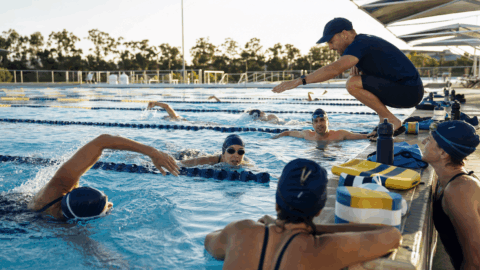
Tri Alliance swim training options include coached squad sessions, stroke correction and individual technique support. That feedback is valuable in winter because a change rehearsed consistently now can be established before open-water and race-specific work return.
Layer for the Session, Not the Car Park
The best winter outfit keeps you comfortable after ten minutes, not perfectly warm while standing still. Use several removable layers rather than one bulky item, then adjust for wind, rain, session intensity and how long you will be exposed.
| Layer | Ride application | Run application | Decision cue |
|---|---|---|---|
| Base | Close-fitting layer that manages moisture | Light technical top | You should not begin with fabric already damp |
| Insulation | Jersey or light thermal layer | Long sleeve or light mid-layer | Choose less for hard work, more for easy endurance |
| Weather shell | Wind-resistant or rain layer with ventilation | Lightweight shell when wind/rain warrants it | It must be easy to open, remove or carry |
| Extremities | Gloves, warm socks, toe covers and under-helmet layer as needed | Gloves and suitable socks as needed | Hands and feet should stay functional, not numb |
| Visibility | Bright or reflective outer details | Bright or reflective outer details | The visible layer matters after dark and in poor conditions |
Avoid cotton next to the skin for sessions where it will stay wet and cold. Pack a dry top for after long or exposed workouts, especially when you will stop before getting indoors. If clothing restricts movement, vision, bike control or helmet fit, it is not the right layer.
The Victorian Better Health Channel recommends multiple light layers in cold weather, more warm-up time and equipment suited to the activity. Keep the article-level rule simple: begin slightly cool, warm progressively, and carry an option for conditions that worsen. Individual cold tolerance varies, so refine your system in training rather than copying someone who runs hot or cold.
Stay Visible and Respect Wet Melbourne Surfaces
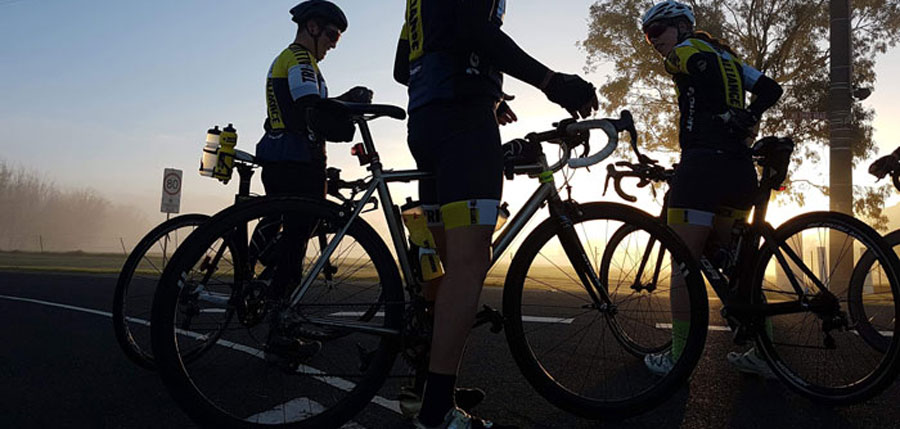
Low light changes the safety threshold. In Victoria, bikes used at night or in low-light conditions require a white front light and red rear light visible from at least 200 metres, plus a rear red reflector visible from at least 50 metres. Bright or reflective clothing helps drivers identify a rider earlier, but it does not replace the required lights.
Use this before every winter ride:
- charge and test front and rear lights;
- confirm the rear reflector is fitted and unobstructed;
- choose a route that suits the visibility and surface conditions;
- check tyres, brakes and basic repair gear;
- tell the squad or a trusted person where you are going when appropriate;
- follow official weather warnings and current coach/session updates.
Wet Melbourne roads need extra margin. Transport Victoria warns that tram and train tracks can be especially slippery in wet weather. Painted lines, metal covers, leaf litter and tight corners can also change grip. Reduce speed before the hazard, avoid abrupt braking or steering on the surface, and cross tracks with care. If the route requires technical riding in conditions outside your confidence or skill, replace the session.
The same visibility principle applies to running. Use well-lit routes, stay predictable around driveways and crossings, and wear a bright or reflective outer layer in low light. Headphones, route choice and group spacing should never reduce your awareness of traffic or other path users.
Build Motivation With Anchors, Not Weather Optimism
Motivation is unreliable when the alarm sounds in rain. A winter system should reduce the number of decisions required to begin.
First, create three weekly anchors: one squad or accountable session, one indoor session that cannot be cancelled by weather, and one longer aerobic session with a pre-agreed fallback. Put them in the calendar before optional work.
Second, prepare the night before. Set out clothing in layers, charge lights, load the indoor session and pack swim gear. The athlete who must locate a missing glove at 5:45 am is negotiating with winter before training has started.
Third, use a minimum viable session. If life stress is high but training is still appropriate, agree with your coach on the shortest version that preserves the day’s purpose. Completing the correct 30–40 minutes can be more valuable than skipping because the perfect 75 minutes no longer fits.
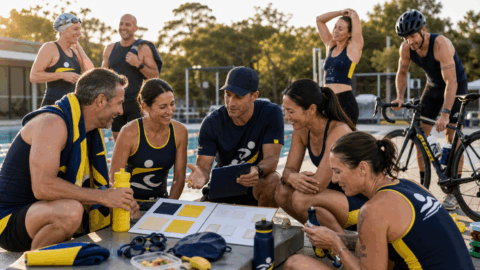
Finally, use people. The Tri Alliance Melbourne squad provides coaching, group structure and a reason to show up beyond today’s mood. Consistency is easier when attendance, session purpose and safe changes are shared rather than improvised alone.
A Practical Melbourne Winter Training Week
This example shows how a week can balance controlled indoor quality, pool technique and outdoor endurance. It is not a personalised prescription; your distance, intensity and recovery must follow your own plan.
| Day | Primary focus | Winter format | Fallback |
|---|---|---|---|
| Monday | Swim technique | Coached pool session | Short technique set at your available pool |
| Tuesday | Bike quality | 50–70 minutes on the wind trainer | Reduce the main set if recovery or form is off |
| Wednesday | Easy aerobic run | Well-lit familiar route | Treadmill or shorter daylight run |
| Thursday | Swim endurance | Repeatable aerobic pool set | Technique-focused shorter session |
| Friday | Recovery or rest | Follow CoachingMate | Keep it recovery; do not repay missed work |
| Saturday | Long aerobic ride | Squad route when conditions are safe | Indoor endurance blocks or coach-approved move |
| Sunday | Long aerobic run | Daylight route with layered clothing | Adjust timing, route or duration with coach guidance |
Notice that the week does not replace every outdoor session. Winter riding and running build useful confidence and durability when conditions, equipment and route are appropriate. The system simply gives each key session a controlled alternative before the forecast forces a rushed decision.
When This Playbook Is Not for You
This guide is general coaching education, not medical advice or an instruction to train through illness, pain or dangerous conditions. It is not enough if an official warning affects your route, you cannot meet the visibility requirements, the surface is outside your skill level, your equipment is unsafe or you feel unwell.
Do not use “winter toughness” to override a sensible stop. Follow your coach, venue staff, current government guidance and any advice from an appropriately qualified health professional. If a replacement session would compromise recovery or the rest of the week, leaving the session out may be the correct decision.
Frequently Asked Questions
Should I do all my Melbourne winter bike training indoors?
No. Indoor riding gives you controlled quality, while appropriate outdoor riding develops route awareness, bike handling and endurance in real conditions. Use the keep/modify/move/replace rule and follow the purpose of your plan.
How do I stop indoor trainer sessions becoming too hard?
Match the replacement to the original workout, use the prescribed intensity and keep recovery intervals easy. Do not convert an aerobic ride into a race simply because the indoor session is shorter.
What should I wear for a cold winter run in Melbourne?
Use light, removable layers suited to the wind, rain, intensity and duration. Start slightly cool, include bright or reflective outer details in low light and ensure clothing does not restrict movement or awareness.
Are bike lights required at dawn or dusk in Victoria?
Victorian guidance requires a white front light and red rear light visible from at least 200 metres, plus a rear red reflector visible from 50 metres, when riding at night or in low-light conditions. If visibility is uncertain, use the lights.
How can I stay motivated for three months of winter training?
Anchor the week around accountable sessions, prepare gear the night before and agree on safe fallbacks before conditions deteriorate. Track consistency and technique progress rather than waiting for every session to feel exciting.
Try This Melbourne Winter Reset This Week
- Audit your visibility tonight: charge and test both bike lights, check the rear reflector and place reflective run gear with your winter kit.
- Set one bike fallback: load the indoor version of this week’s key ride before the forecast changes.
- Give your next swim one priority: choose technique, aerobic endurance or planned threshold and write it in your CoachingMate notes.
- Build one complete layering system: base, insulation, weather shell and extremity options, then test it on an easy session.
- Lock in an anchor: choose one coached or squad session from the current timetable and organise the rest of the week around it.
Triathlon training through Melbourne winter should make you more prepared, not simply more tolerant of discomfort. Protect the purpose, choose the safest useful format and keep stacking repeatable weeks. For help matching winter base work to your race calendar, explore Tri Alliance training options or book a triathlon coaching consultation.
Sources checked for factual guidance: Bureau of Meteorology Melbourne Olympic Park climate statistics; Transport Victoria bicycle safety guidance and bicycle road rules; VicRoads bike rider safety; and the Victorian Better Health Channel exercise safety. Guidance checked 21 July 2026.
Discover more from Tri Alliance Triathlon Community
Subscribe to get the latest posts sent to your email.