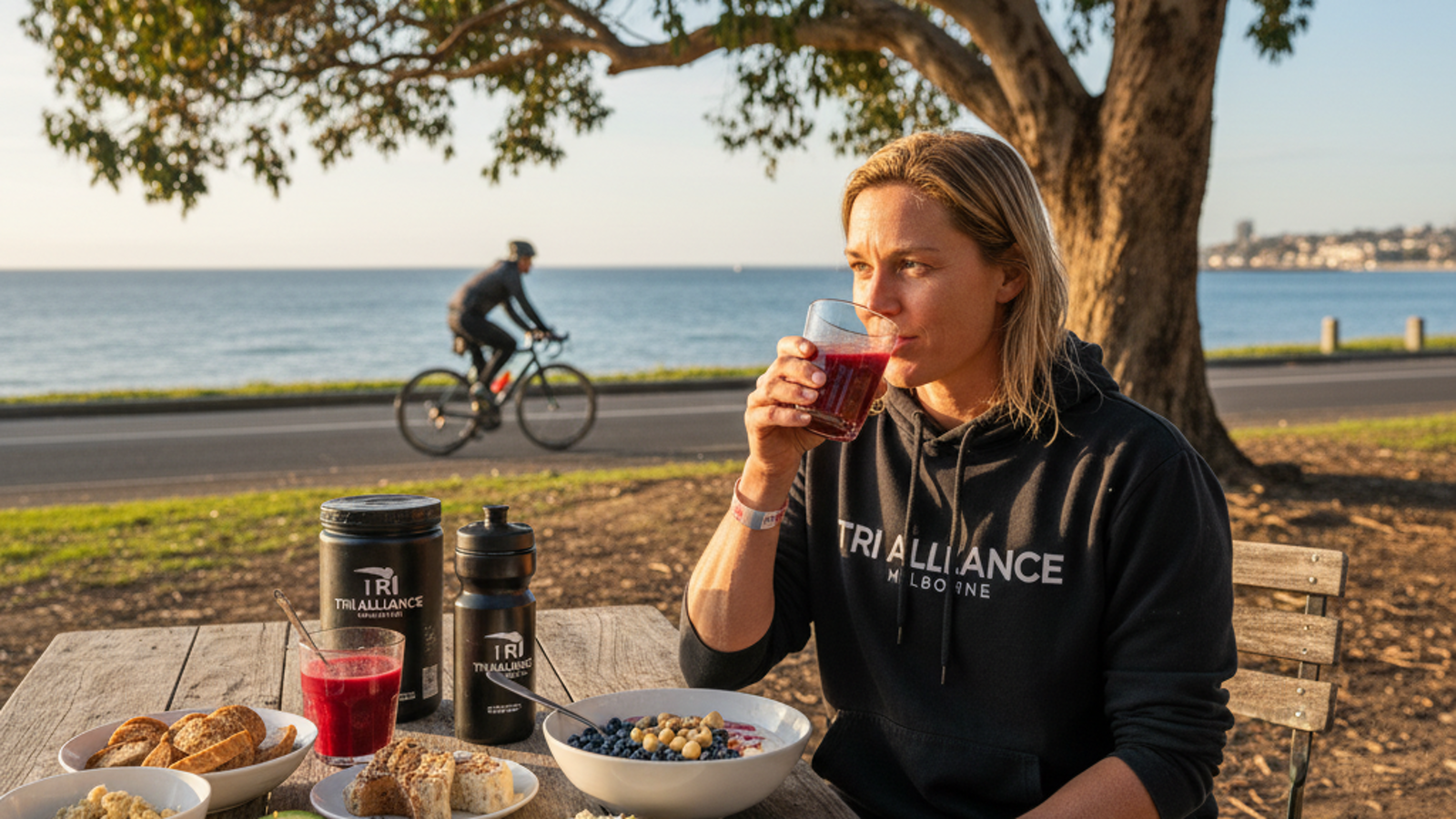

Coach’s quick read: Gut training is not about forcing down more fuel. It is about making a sensible race-fuelling plan familiar. Pick one key session, use the products and timing you intend to race with, change one variable at a time, and record what actually happened.
The podcast above is the main event. The checklist below turns the conversation into one useful action for this week’s training. It is a companion to our detailed guide to training your gut for triathlon, not a reason to overhaul everything at once.
| Before | During | After |
|---|---|---|
| Write down the product, dose and timing | Follow the plan without adding extras | Record what you consumed and how you felt |
| Choose one variable to test | Notice comfort, energy and concentration | Keep, adjust or discard that one change |
What is the goal of gut training?
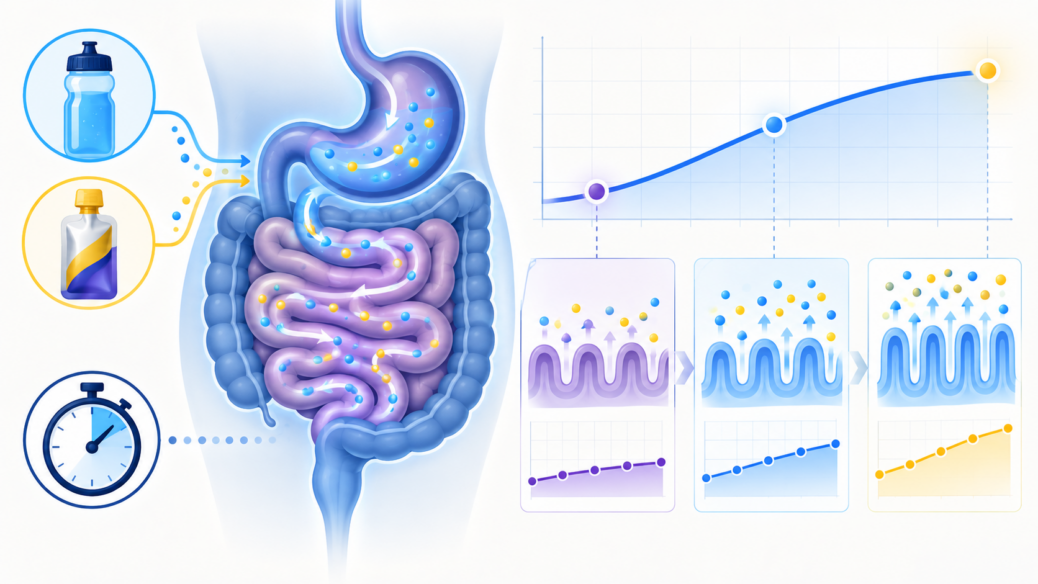
The goal is repeatability. A race plan should feel rehearsed before you stand on a start line. Exercise changes blood flow and movement through the gastrointestinal system, and repeated feeding practice can improve tolerance for some athletes. A two-week gut-training study and a 2023 systematic review both support practising nutrition during endurance exercise rather than relying on race-day theory.
Which session should you use?
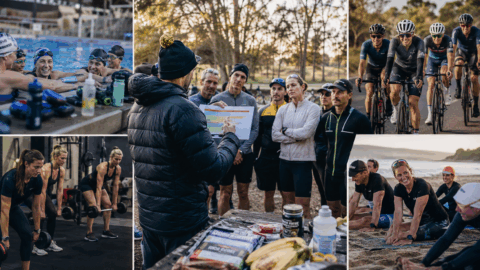
Choose a controlled session that is relevant to your event. In our squad, a wind trainer session or long ride is often the easiest place to begin because bottles and food are accessible. Start with 60–90 minutes at a familiar intensity before testing the plan in longer or more race-specific work. Check the live Tri Alliance timetable and ask your coach which session best fits your program.
What should you decide before starting?
- The exact product and bottle concentration.
- The amount you plan to consume each hour.
- The timing of the first and later feeds.
- The single variable you are testing today.
For many endurance sessions, 30–60 grams of carbohydrate per hour is a common practical range. Longer racing can involve 60–90 grams per hour, but the upper end is not a starting target for everybody. The Australian Institute of Sport nutrition hub is a useful evidence-based reference. Your coach or an accredited sports dietitian can help turn general guidance into an individual plan.
What should you record afterwards?
Write down planned intake, actual intake, session duration, weather, intensity, energy and gastrointestinal comfort. Note leftovers rather than assuming the plan was completed. A newer repetitive feeding-challenge study is another reminder that the density of the nutrition challenge matters. The useful question is not simply whether you finished the session. It is whether the plan remained comfortable and executable as fatigue increased.
Coach’s checkpoint: If four things changed, you learned very little. If one thing changed and the rest stayed familiar, the next decision becomes much clearer.
How should you adjust the next attempt?
If the session went well, repeat the same plan before increasing the challenge. If it did not, change one detail: dose, timing, concentration or product. Do not change all four. Use our long-ride pacing and fuelling guide to connect nutrition practice with sustainable bike execution. This week, the win is one clean repetition and one useful note for next time.
When should you stop and seek advice?
This general guideline has limits and is not a substitute for individual medical or nutrition care. Stop the experiment and seek professional advice for persistent vomiting, severe abdominal pain, blood in stool, fainting, confusion or symptoms that keep worsening. Athletes with diabetes, gastrointestinal disease, food allergies, pregnancy, medication considerations or a history of disordered eating should speak with a doctor or accredited sports dietitian before changing a fuelling plan. The AIS health and wellbeing pathway provides further official support information.
Discover more from Tri Alliance Triathlon Community
Subscribe to get the latest posts sent to your email.