
casper stornes wins shortened ironman frankfurt as norwegians go one-two is the headline, but the useful lesson for Melbourne triathletes is how quickly the best athletes adapted when the race changed. Frankfurt kept the 3.8km swim, cut the bike to 125km, and replaced the marathon with a 21.1km run because of extreme heat.
For age-group athletes training through a Melbourne winter, that makes this more than a European race result. It is a clean case study in base fitness, heat management, pacing discipline, and staying ready when race directors make a late safety call.
Coach’s quick read
Stornes won because he handled the altered format better than the field: controlled enough through the swim-bike, then decisive over a hot half marathon. Your Melbourne takeaway is not to copy pro volume; it is to build a base that survives disruption.
What happened at the shortened Ironman Frankfurt?
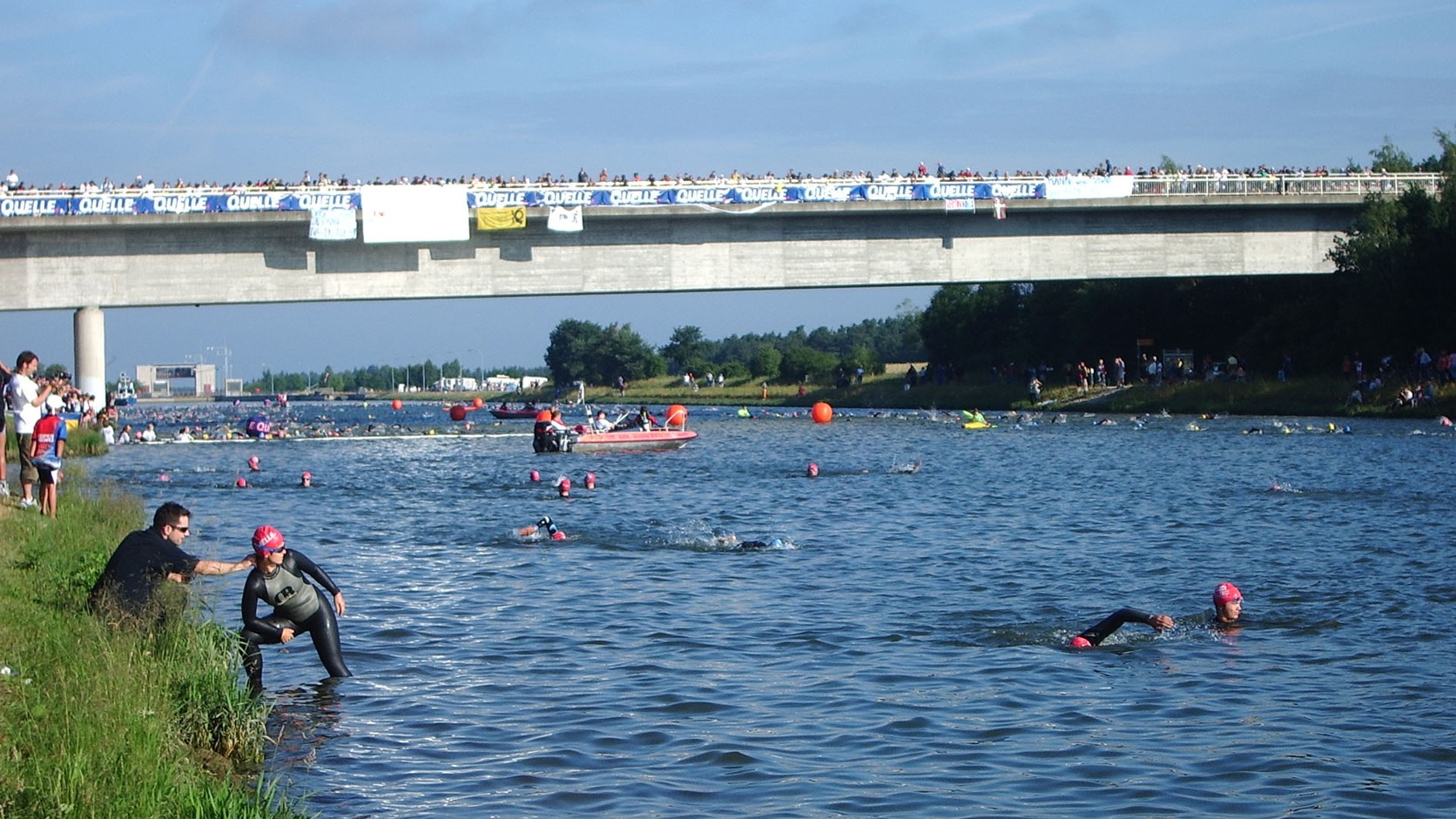
Casper Stornes won the 2026 Ironman Frankfurt European Championship in 4:50:23, with fellow Norwegian Gustav Iden second in 4:52:54 and Spain’s Antonio Benito Lopez third in 4:54:47. The race was shortened because of forecast heat, with athletes racing a full 3.8km swim, a 125km bike, and a 21.1km run.
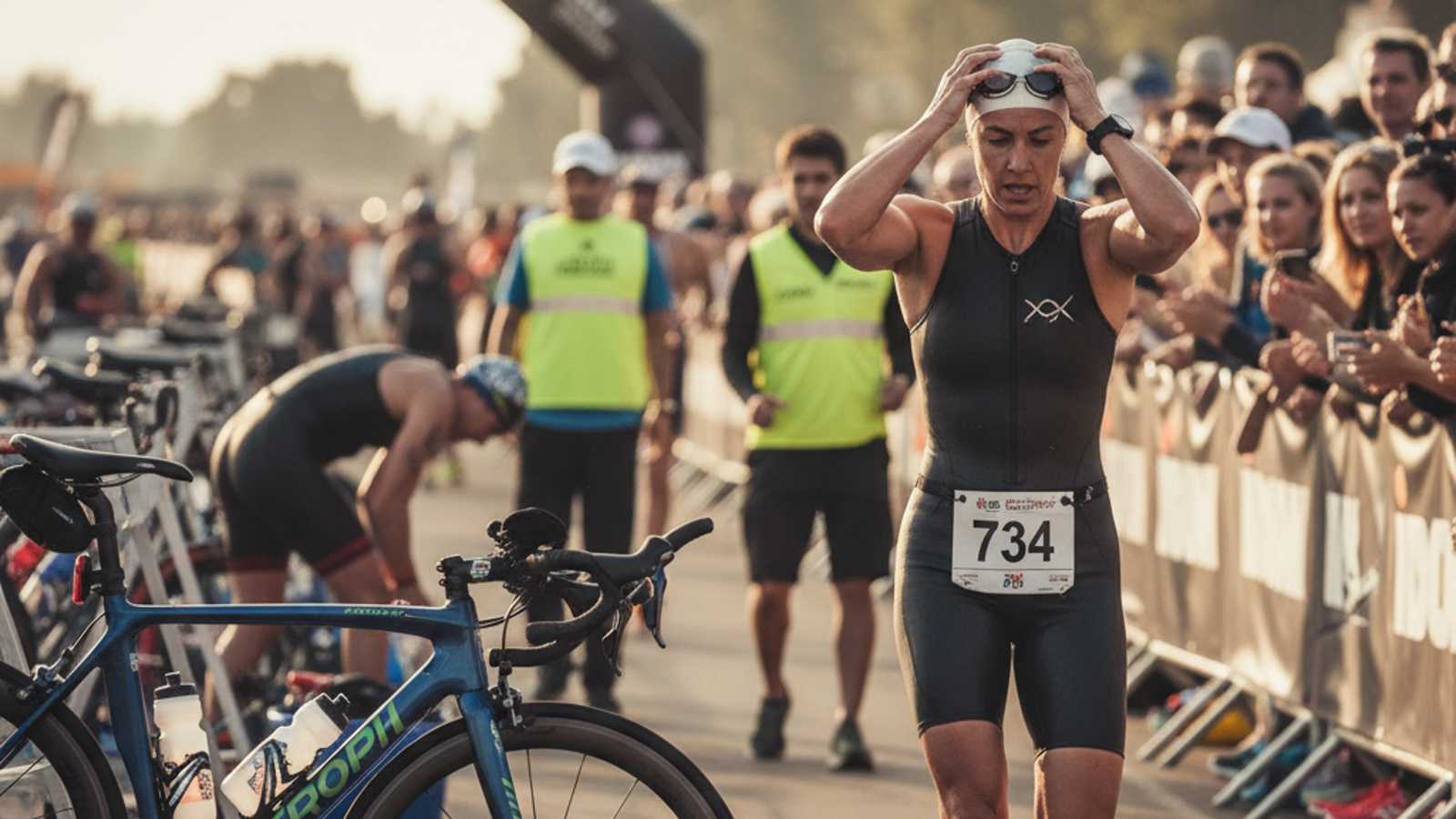
Triathlete reported that the altered format was confirmed less than 48 hours before the start, turning the race into a different tactical test. Slowtwitch reported Stornes’ run split as 1:12:19, the fastest of the day, and local German coverage reported temperatures above 30 degrees Celsius with extra cooling and support measures in place.
Why Stornes’ win matters for Melbourne triathletes
The Melbourne lesson is simple: the athlete with the best adaptable base usually handles race-day change best. Stornes did not win because the race became easier. He won because he was ready for a hot, shortened, more dynamic version of the event.
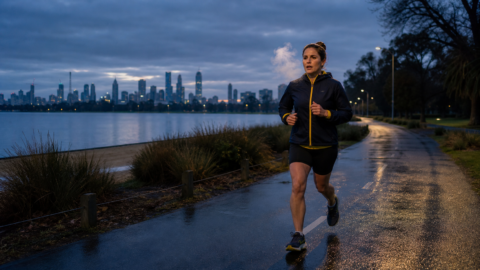
That matters locally because Victorian athletes rarely get a perfectly controlled build. Winter brings dark mornings, cold rain, indoor bike sessions, lane-pressure at the pool, and a long gap before summer racing at St Kilda, Elwood, Sandringham, and the wider Victorian calendar. Base phase is where you build the repeatable habits that still work when the plan changes.
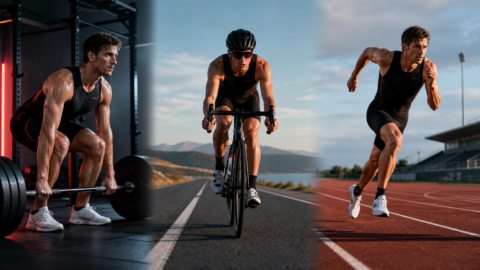
If you are targeting long-course racing, this is where long course triathlon coaching becomes useful: the goal is not just more hours, but better distribution across swim, bike, run, strength, recovery, and race-specific rehearsal.
Base building cues from a shortened race
Frankfurt’s shortened format points straight back to base building. The athletes still needed swim skill, bike durability, controlled intensity, and a run that could absorb heat and pace changes.
1. Use indoor training to build control, not just sweat
A Melbourne winter wind-trainer session should not become random suffering. A useful base session might be 3 x 12 minutes at steady Ironman effort with 5 minutes easy between blocks, keeping cadence smooth and breathing controlled. The goal is to finish with the same discipline you started with.
For squad athletes, the structured Tri Alliance training timetable already includes winter options such as windtrainer work, technique running, and squad swims. The point is weekly rhythm: repeatable sessions beat one heroic ride followed by three missed days.
2. Make swim technique non-negotiable
Frankfurt kept the full swim, which is a reminder that the first discipline does not disappear when a race changes. In base phase, Melbourne athletes should treat the pool as skill work, not filler.
A practical winter swim focus is 8 x 50m drill/swim, then 10 x 100m steady with consistent send-offs and no stroke collapse in the final 25m. At MSAC, adult lap swim entry is listed at $8.50 AUD, making a technique-focused pool session one of the cheapest high-value upgrades in the week.
3. Do winter nutrition before summer heat arrives
Heat races expose athletes who only practise fuelling on race week. Winter is the safe time to rehearse what you can actually tolerate on the bike and run: timing, texture, bottle access, and what happens when intensity rises.
This is not about chasing a magic product. It is about writing down what you used, when you used it, and how the session finished. If Frankfurt teaches anything, it is that heat and late changes reward athletes who have practised basics under pressure.
Melbourne race-calendar context
Melbourne athletes have time to build this properly. Winter duathlon racing at Calder Park and Altona gives athletes a low-pressure way to test bike-run control before summer triathlon returns, while Ironman 70.3 Melbourne keeps the long-course target close to home with a St Kilda swim and flat, fast coastal bike-run profile. That means June and July should not feel like dead months. They are the months where you build indoor bike discipline, swim economy, and repeatable run durability so the summer race block has something solid underneath it.
A Melbourne base-week example after Frankfurt
Here is a simple week for an age-group athlete in base phase. It is not a prescription for every athlete; adjust around injury history, current load, and coach guidance.
- Monday: 30-40 minutes easy mobility or strength, no intensity.
- Tuesday: indoor bike, 3 x 12 minutes steady with 5 minutes easy between blocks.
- Wednesday: swim technique set: drills plus 10 x 100m steady.
- Thursday: run at The Tan or similar rolling loop, 45-60 minutes easy with 6 x 20 seconds relaxed strides.
- Saturday: aerobic ride, 90-150 minutes, holding back enough to run well the next day.
- Sunday: 50-75 minutes easy run or squad session depending on training age.
If you need help matching a week like this to your race goal, start with the Melbourne squad training options or book a Tri Alliance coaching consultation.
Not for you if you only want race gossip
This article is not a ranking of Norwegian athletes or a debate about whether the Frankfurt course change was right. It is for athletes who want to turn a world-class race result into better training decisions in Melbourne this winter.
FAQ: Casper Stornes, Frankfurt, and Melbourne training
Did Casper Stornes win a full Ironman distance in Frankfurt?
No. Stornes won the Ironman Frankfurt European Championship after the race was shortened because of heat: 3.8km swim, 125km bike, and 21.1km run.
What was Casper Stornes’ winning time?
Stornes won in 4:50:23. Gustav Iden was second in 4:52:54, and Antonio Benito Lopez was third in 4:54:47.
Why does this matter for Melbourne winter training?
Melbourne athletes are in a base-building window. Frankfurt shows why consistent indoor bike work, swim technique, and nutrition rehearsal matter before race-specific summer intensity arrives.
Should age-groupers copy Stornes’ training?
No. Copy the principle, not the pro workload. Build repeatable weekly structure, controlled intensity, and discipline-specific consistency around your current fitness.
Where can Melbourne triathletes train through winter?
Tri Alliance offers Melbourne squad training, long-course coaching, and personalised triathlon coaching options across swim, bike, and run sessions. The right option depends on your event, training age, and weekly availability.
Sources and fact checks
- Triathlete: Casper Stornes wins shortened 2026 Ironman Frankfurt European Championship
- Slowtwitch: Stornes wins Ironman Frankfurt to become European Champion
- WELT: Frankfurt heat and shortened-course race details
- State Sport Centres: MSAC casual swim pricing
- Running Calendar Australia: Victorian triathlon and duathlon calendar
- Ironman 70.3 Melbourne race information
Discover more from Tri Alliance Triathlon Community
Subscribe to get the latest posts sent to your email.