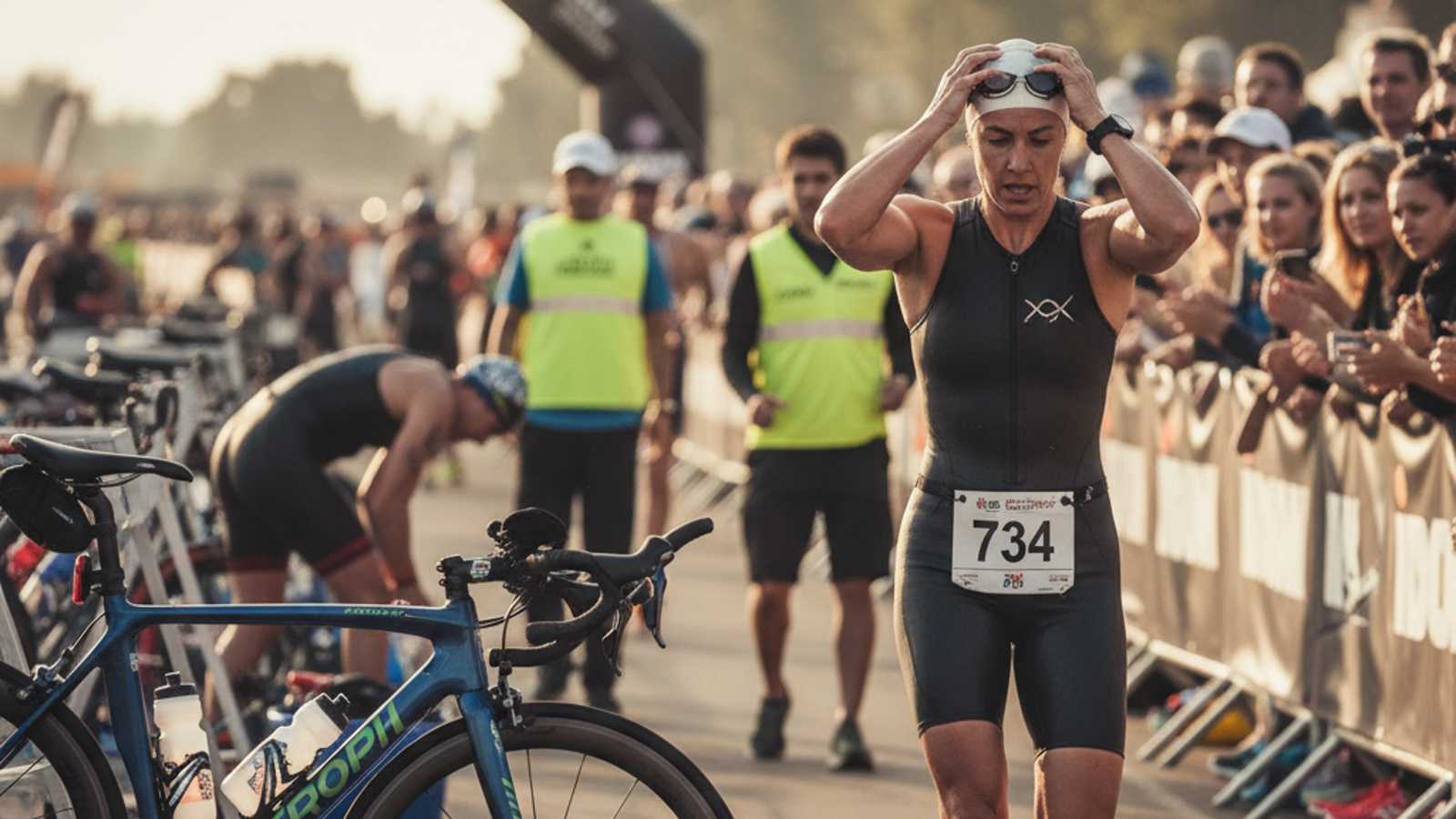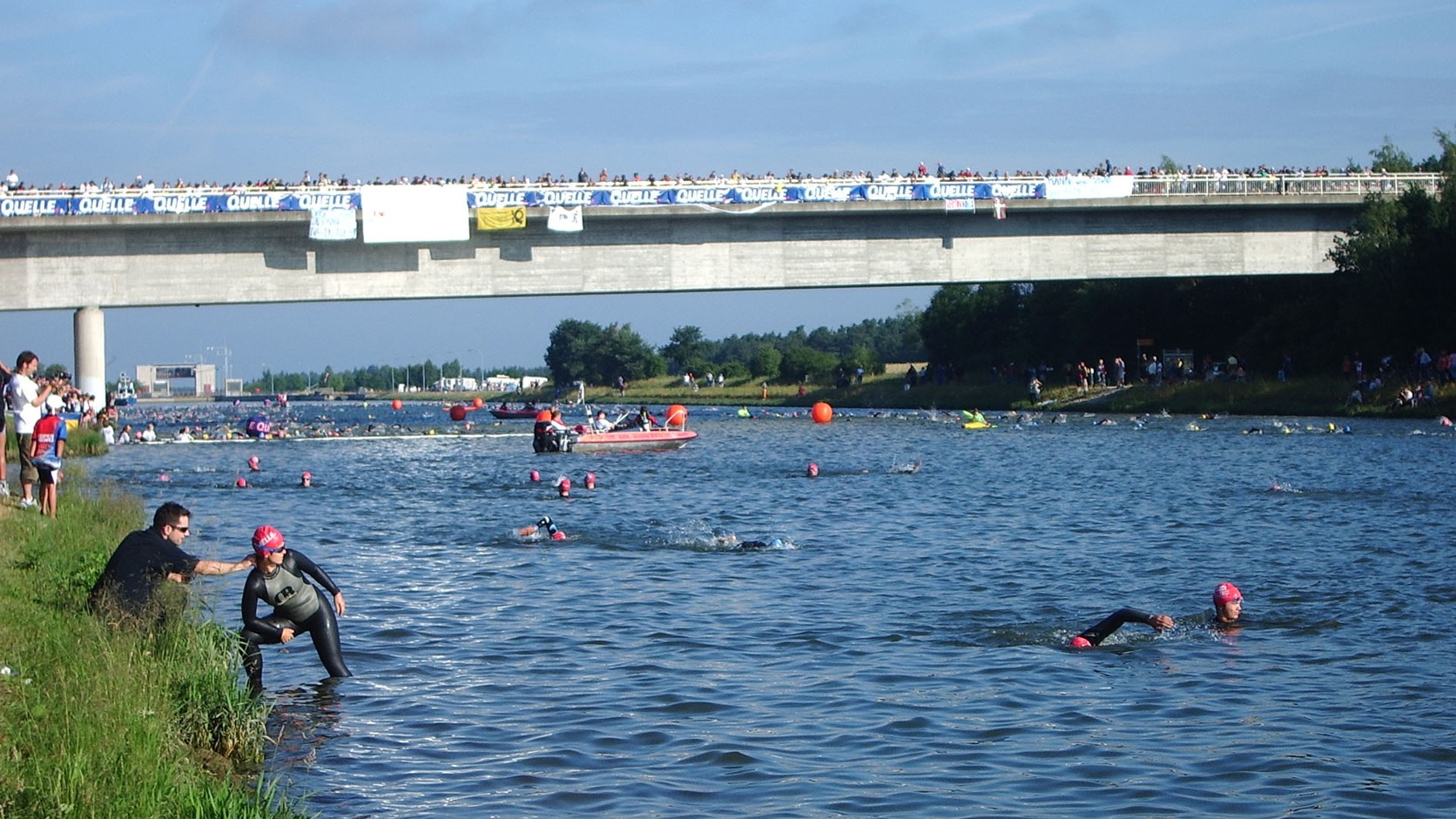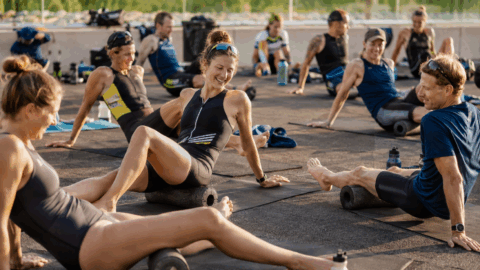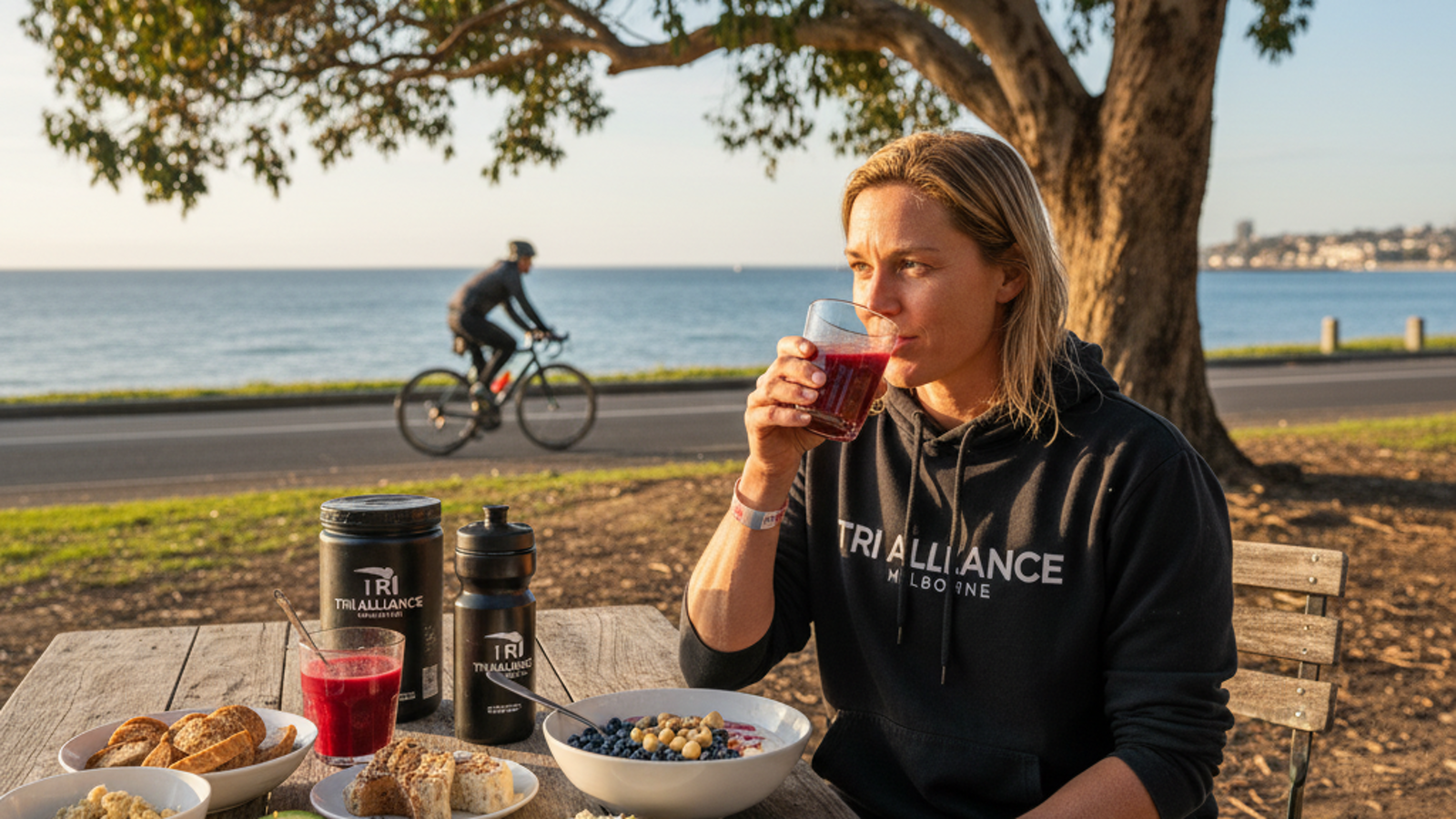

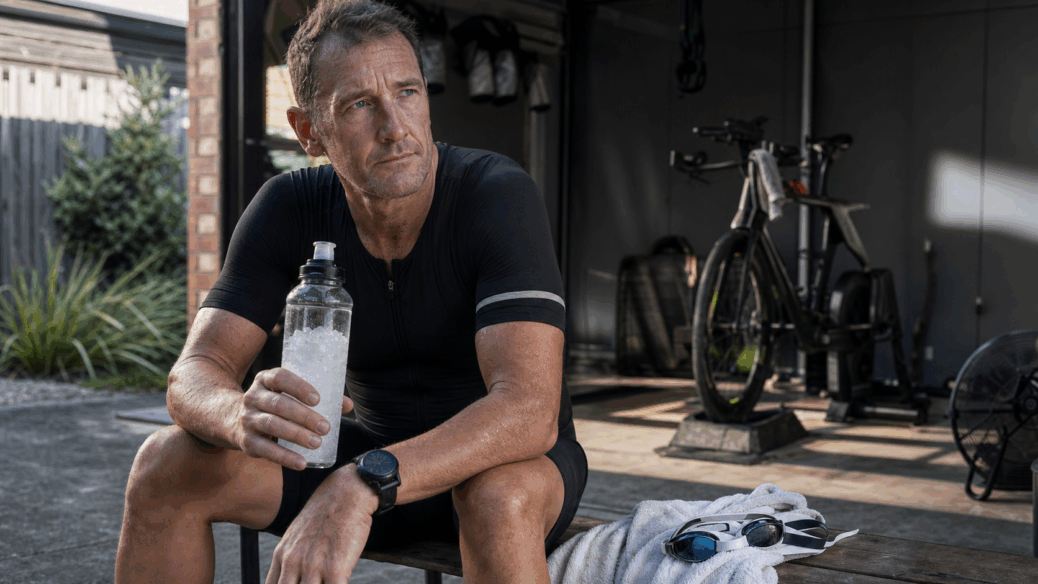
Ice, ice, baby: why slushies are the ultimate summer workout hack is not really about chasing a novelty drink. For Melbourne triathletes, it is about learning one more practical way to manage heat stress before summer race days arrive.
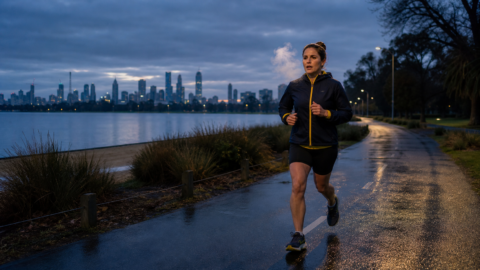
Right now, the Tri Alliance squad is in the winter grind: darker mornings, indoor cycling, pool volume, strength work and the discipline to keep turning up. That makes July a smart time to test small race-day systems before the first hot long-course build or humid bay run.
The idea has been pushed back into the spotlight by Triathlete’s July 2026 article by Matthew Kadey, which summarised recent research into ice slurry drinks around hot exercise. The coaching takeaway is measured: ice slurries can help some athletes feel cooler and may support performance in hot conditions, but they are not a substitute for heat acclimation, pacing, hydration planning or medical advice.
As a coach, I recommend treating this as a rehearsal habit first and a race-day tactic second.
This article is general training education for age-group triathletes. If you have a medical condition, a history of heat illness, gut issues, diabetes, pregnancy considerations, or individual nutrition needs, speak with a qualified sports dietitian or clinician before changing your race nutrition plan.
Why ice slushies matter for Melbourne triathlon training
Melbourne rarely gives triathletes one neat weather pattern. You can ride indoors in July while the garage sits at 9 degrees C, then race a January event when the run course feels like it is radiating heat from the bitumen. The athletes who handle that shift best have rehearsed simple systems.
An ice slurry is a drink made from fluid and crushed ice, blended or shaken into a semi-frozen texture. In the endurance context, athletes use it as a pre-cooling or cooling tool before, during or after sessions in the heat. The attraction is practical: it can be cheaper and easier than ice vests, cold-water immersion tubs or other equipment-heavy strategies.
The sports-science picture is not magic. A Gatorade Sports Science Institute review by University of Sydney researchers Ollie Jay and Nathan B. Morris notes that cold water and ice slurry ingestion is most likely to help cooling before or after exercise, and that benefits during exercise depend heavily on the environment.
For Tri Alliance athletes, that means the question is not, “Should everyone drink a slushie?” The better question is, “Where could a cold-fluid routine fit safely into my training and race plan?”
What the science says without overselling it
Triathlete reported that a 2025 study used an ice slurry or warmer drink at 7.5 grams per kilogram of body weight, consumed 30 minutes before a hard cycling bout in 95 degrees F heat, which is about 35 degrees C. Participants had lower measured internal temperatures in the ice-slurry trial, with lower hyperventilation and higher brain blood flow, and there was a trend toward longer riding before exhaustion.
That sounds promising, but the details matter. A 70 kg athlete at 7.5 g/kg would be consuming about 525 g of slurry. An 80 kg athlete would be around 600 g. That is a sizeable amount to take in before hard work. For some athletes, especially before running, that could feel heavy or trigger gut discomfort.
Triathlete also highlighted research using 450 g of ice slurry during a short break from high-intensity intermittent exercise in the heat, plus evidence that slurries during breaks can reduce the rise in core temperature in the second half of exercise. Useful, yes. Universal, no.
The GSSI review adds an important caution: cold drinks can make athletes feel cooler, but during exercise they do not always create a meaningful drop in core temperature because cold fluid can also reduce sweating. In windy cycling conditions, evaporative cooling can be more efficient, so the advantage may be smaller.
Where this fits into winter training
Summer cooling strategies should be built in winter, not panicked into place during race week. That is especially true for athletes training with power, pace and structured sessions.
Indoor cycling: the safest rehearsal space
A controlled indoor ride is the easiest first test. You know the session length, intensity and environment, and you can stop quickly if your gut says no. For example, during a Tri Alliance wind-trainer session, an athlete could test 250-350 ml of a low-fibre ice slurry 20-30 minutes before a threshold block, then record perceived exertion, stomach comfort and power consistency.
Do not start with the largest research dose. Start small, keep the ingredients familiar, and write down what happens. Freezing part of your usual sports drink into ice cubes can be more race-relevant than inventing a fruit-heavy recipe.
Pool sessions: recovery and routine, not pool-deck drama
A winter swim is not a heat-stress session, but it is useful for habit-building. If you swim before work, practise packing an insulated bottle, keeping it food-safe, and using it after training. The objective is routine: where the bottle goes, how long it stays cold, and whether the drink sits well after exercise.
Mental toughness: make the decision before it is hot
Heat makes athletes emotional. Pacing errors get bigger, stomach tolerance gets smaller, and decision-making gets sloppy. A pre-tested cooling plan gives you one less thing to negotiate when the temperature rises. You already know whether the slushie is part of your plan, what amount you tolerate, and when you will use it.
A practical slushie protocol for age-group triathletes
The following table is a coaching framework, not a prescription. Use it to decide what to test in training, then adjust with your coach or sports dietitian if needed.
| Use case | When to test it | Starting amount | What to track | Melbourne cost guide |
|---|---|---|---|---|
| Indoor bike rehearsal | 20-30 min before a 60-75 min trainer session | 250-350 ml | Gut comfort, RPE, ability to hit power | About AUD $1-$3 using home ice and drink mix |
| Hot brick preparation | Before a short bike-to-run practice in warm conditions | 300-450 ml | Run stomach feel over first 10-15 min | About AUD $3-$7 if buying ice or frozen drink |
| Race-morning pre-cooling | Only after successful training trials | Coach/dietitian-guided; research often uses body-mass dosing | Timing, toilet needs, confidence, stomach tolerance | Budget AUD $5-$10 for ice, insulated bottle and ingredients |
| Post-session cooling | After a hot run or brick, especially before travel home | 300-500 ml | How quickly you feel settled and ready to eat normally | About AUD $1-$5 depending on ingredients |
Prices are rough Melbourne planning ranges only. Check current store prices and remember that race venues may limit what you can bring or access on course.
How to make a training-safe slushie
Keep it boring at first. A simple version is 1 cup of your usual sports drink plus 1 cup of ice, blended briefly until it is icy but still drinkable. Another low-risk option is water, ice and the same carbohydrate-electrolyte product you already tolerate in training.
Avoid turning the first trial into a cafe smoothie. Large amounts of fruit, fibre, dairy or unfamiliar sweeteners add variables. If the goal is race preparation, the best recipe is the one your stomach accepts when the work starts.
Practical setup for Melbourne athletes:
- Use an insulated bottle or flask for travel to a session.
- Label the bottle if you are training with a group.
- Drink slowly over 10-20 minutes rather than trying to finish it in one hit.
- Keep a normal hydration plan in place; a slushie is not a full race-fuelling strategy.
- Record the trial in your training notes: amount, timing, session type, temperature and gut response.
When slushies are not the right tool
This is not for every athlete or every session. Skip the experiment if you are already unwell, have had recent gut trouble, are unsure about a medical condition, or are doing a key run where you cannot afford stomach risk. Also skip it when the weather is cold and the only reason you are trying it is because it sounds novel.
Slushies also do not replace the basics: heat acclimation, conservative pacing, sun protection, sensible hydration, sodium planning where appropriate, and honest decision-making if conditions become unsafe. Heat illness is serious. A cold drink should never be used to justify pushing through warning signs.
How Tri Alliance athletes can test this before summer
If you are training with the Melbourne Tri Alliance squad, use the structure already around you. Pick one low-risk indoor bike session, one controlled brick and one warm-weather run later in the build. Keep the variables consistent so your feedback means something.
For athletes planning long-course racing, the question becomes even more specific: can you tolerate cold fluid before race pace, and can you access it legally and practically on race day? If the answer is no, it may still be useful after training, but not as a race-morning strategy. If you want individual help, book a Tri Alliance coaching consultation and bring your current race nutrition notes, sweat-rate observations and target events.
The current training timetable is also useful here. Choose sessions where the test makes sense: indoor bike first, then a controlled brick, then a hot-weather rehearsal once Melbourne gives you the right conditions.
FAQ: ice, ice, baby: why slushies are the ultimate summer workout hack
Should I use a slushie before every summer training session?
No. Treat it as a tool for selected hot or race-specific sessions. Easy aerobic training, cold-weather sessions and technique swims usually do not need it.
How much should I drink before training?
Research protocols can use body-mass dosing, but age-group athletes should not jump straight to large amounts. A conservative first trial of 250-350 ml before an indoor bike session is a more sensible starting point, then adjust with professional guidance if needed.
Can I use a convenience-store frozen drink?
You can test one, but check ingredients and stomach tolerance. Many commercial frozen drinks are high in sugar and may not match your race nutrition. A home version using familiar sports drink and ice gives you more control.
Does an ice slurry prevent heat illness?
No. It may help cooling or comfort in some conditions, but it does not remove heat-illness risk. Respect warning signs, follow event advice, and seek medical help if symptoms escalate.
Is this better for cycling or running?
It depends on conditions and tolerance. Cycling creates more airflow over the skin, so the benefit may differ from running. Runners also need to be more careful with stomach bounce, which is why testing before a controlled brick is useful.
Try it this week
- Tuesday indoor ride: blend 250 ml of your usual sports drink with 250 ml of ice, sip half of it 20 minutes before a 60-minute trainer session, and note gut comfort at 15, 30 and 60 minutes.
- Thursday pool day: pack an insulated bottle with 300 ml of ice-cold fluid for after the swim, then record whether the bottle stayed cold from home to pool to work.
- Saturday brick rehearsal: if conditions are safe, test 300-350 ml before an easy 45-minute ride plus 10-minute run-off-bike and write down how the first kilometre felt.
- Sunday review: compare the test against a normal session: RPE, stomach comfort, thirst, and whether the routine was practical enough to repeat.
The smartest athletes do not wait for a 35 degree C race day to make cooling decisions. Use winter to test the boring details now, then bring a calmer, coach-led plan into summer. Join the squad, check the timetable, and make your next block of training more deliberate.
Discover more from Tri Alliance Triathlon Community
Subscribe to get the latest posts sent to your email.