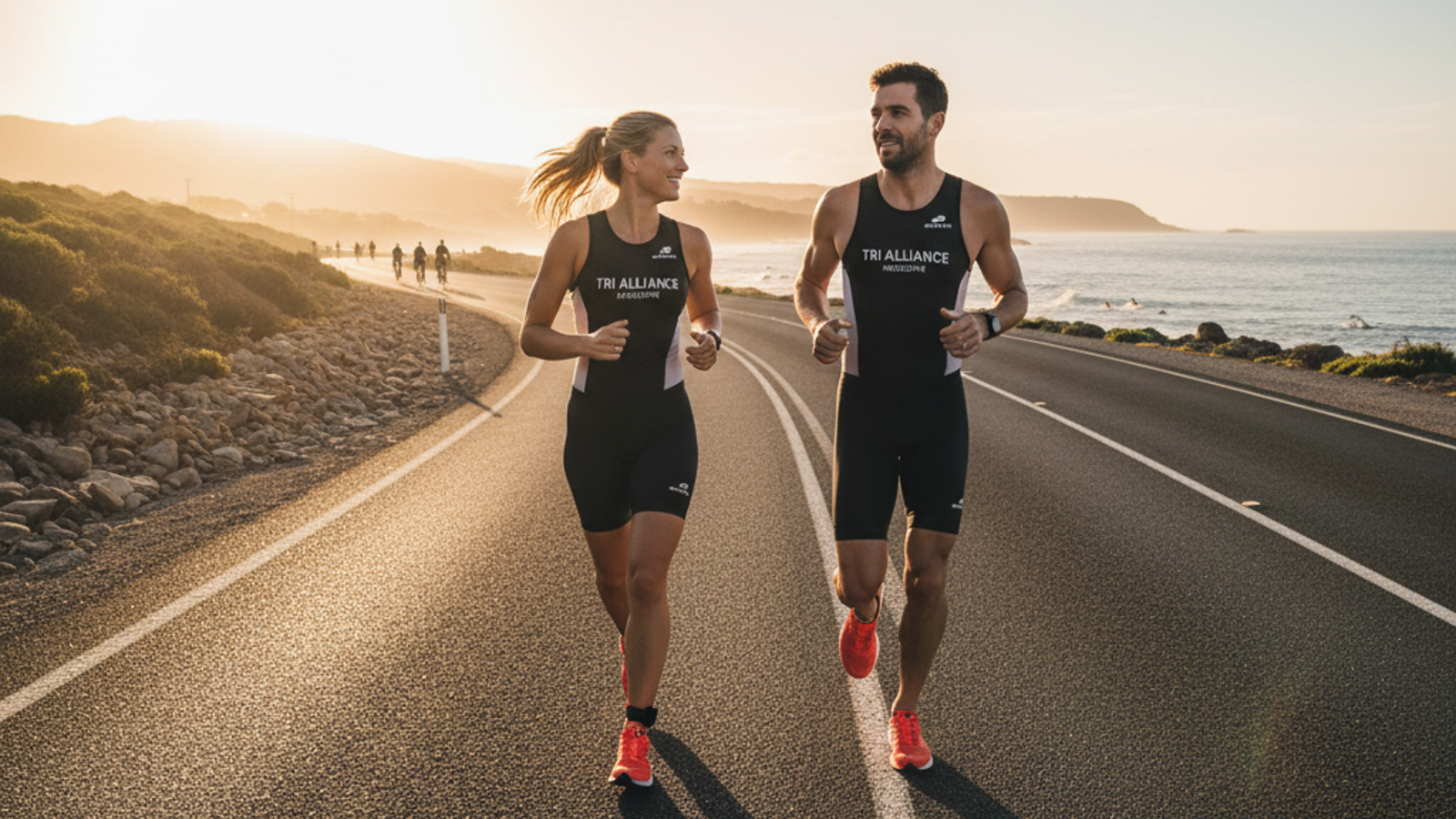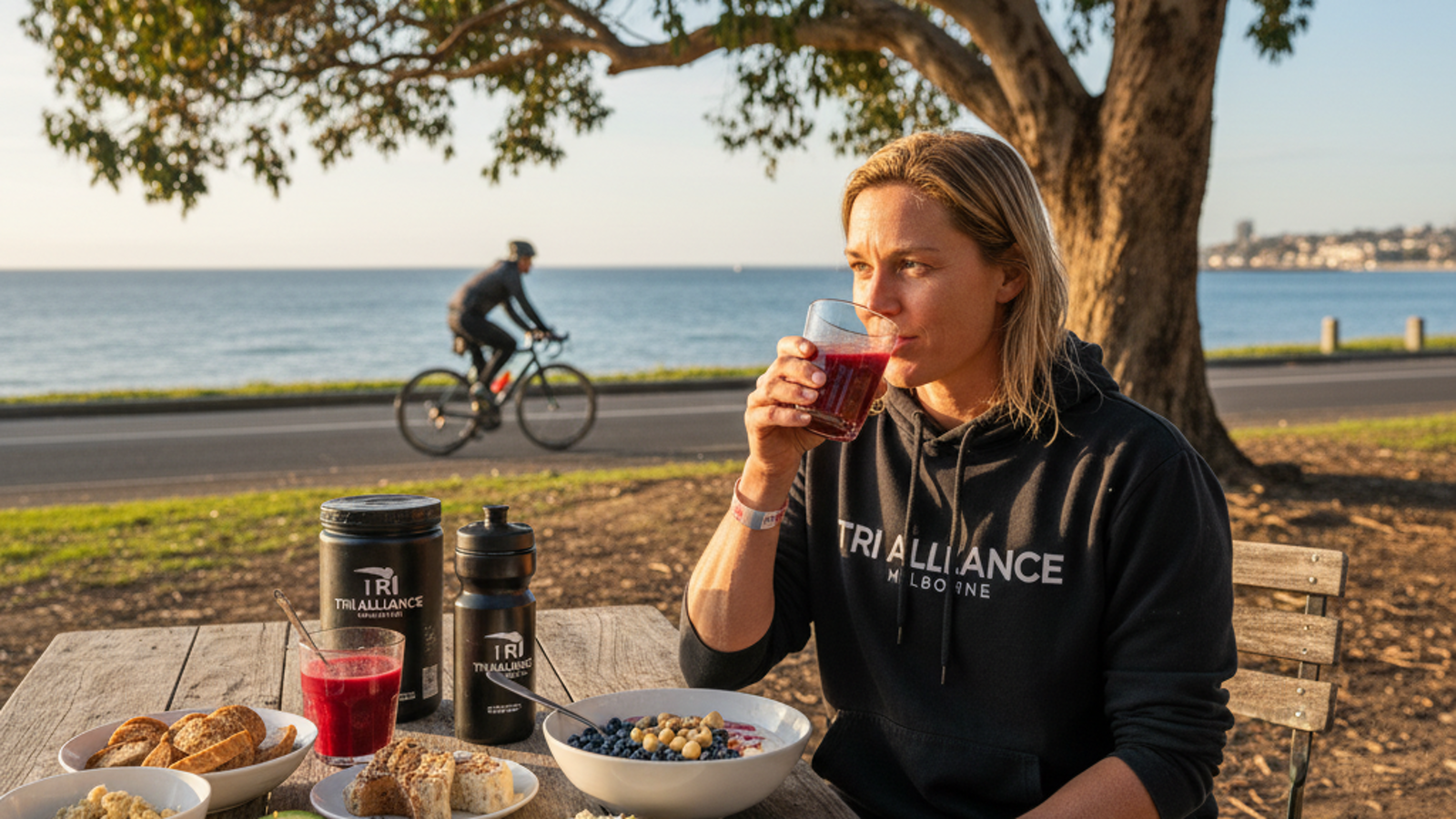

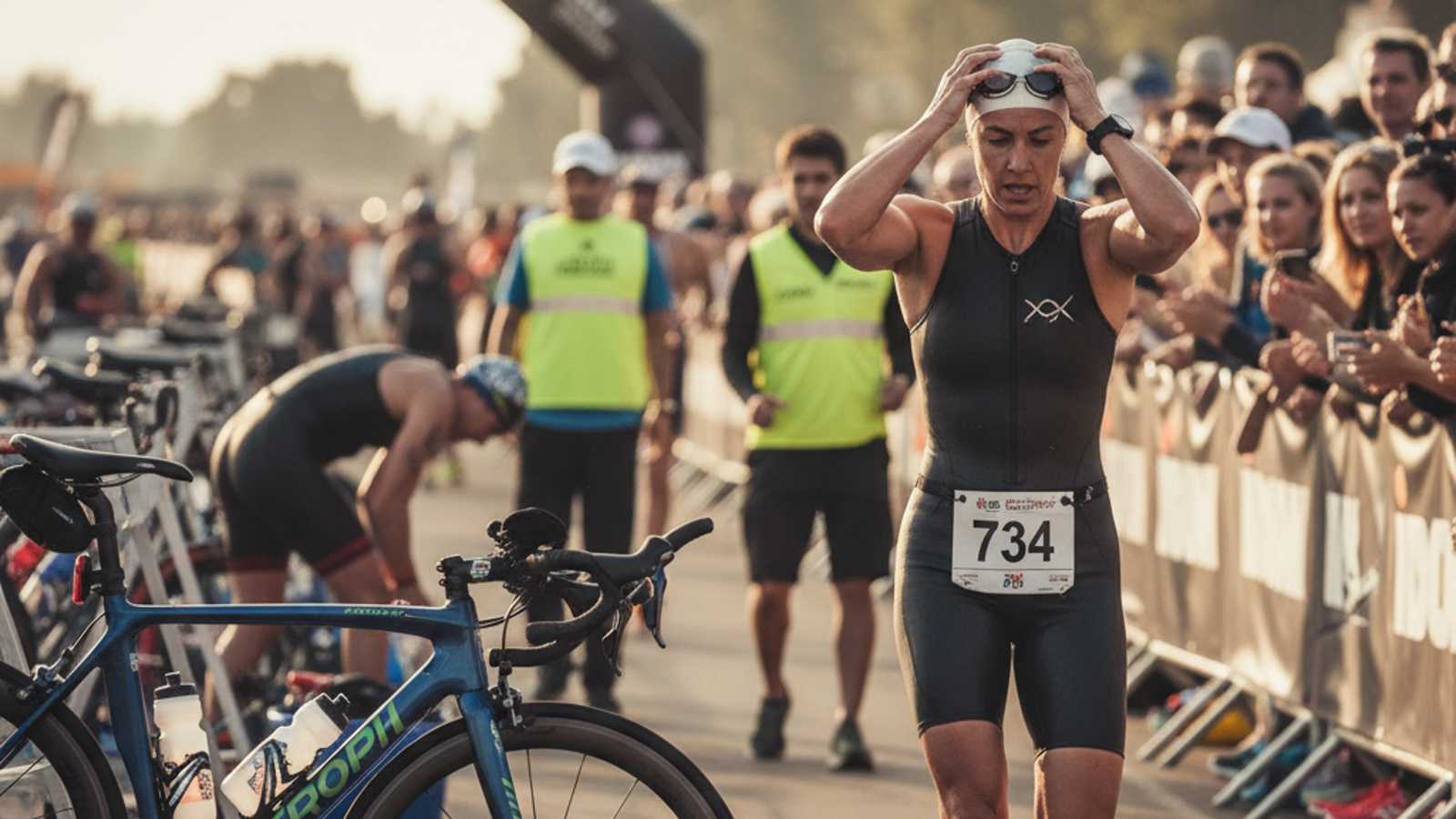
Your resting heart rate has been 8 beats above normal for a week. Your easy pace feels like threshold. You slept nine hours and woke up exhausted. You are doing everything right and getting worse.
This is what overtraining syndrome (OTS) can look like in triathlon, and many age-groupers do not recognise the warning pattern until they have been stuck in it for months. Research reviews in endurance sport report wide prevalence ranges because athletes and studies define "overtraining" differently, but the practical coaching point is clear: unresolved fatigue is one of the most common preventable reasons triathletes stop improving.
The short version:
- Overreaching is a temporary performance dip that resolves in 1-2 weeks with rest. It is a normal part of training.
- Overtraining syndrome is a chronic condition that takes weeks to months to recover from. It requires intervention, not just a rest day.
- The difference between them is time, severity, and whether rest fixes it.
- You cannot medically diagnose OTS from a watch. You can, however, spot the warning pattern early using resting heart rate, HRV trends, mood, sleep, and RPE-performance decoupling.
| Signal | Normal Range | Warning Zone | Action |
|---|---|---|---|
| Resting HR (morning, lying) | Within 3 bpm of your baseline | 5+ bpm above baseline for 3+ consecutive days | Deload. If it persists 7+ days, skip training for 3 days. |
| HRV (7-day rolling avg) | Stable or trending upward | Declining trend for 10+ days, or sudden drop >15% | Reduce intensity immediately. Prioritise sleep. |
| RPE vs pace/power | RPE matches expected output | RPE 7-8 for what should feel like RPE 4-5 | This is the earliest warning sign. Take a recovery week. |
| Sleep quality | Fall asleep within 20 min, wake rested | Difficulty falling asleep despite physical fatigue, waking at 3-4 AM | Reduce evening training. Assess total load. |
| Illness frequency | 0-2 colds per year | 3+ upper respiratory infections in a training block | Immune suppression. Mandatory rest and medical review. |
What Is the Difference Between Overreaching and Overtraining Syndrome?
Overreaching is a planned or accidental short-term training stress that temporarily reduces performance. With adequate rest (typically 5-14 days), the athlete supercompensates and comes back stronger. This is how training adaptations work.
Overtraining syndrome is what happens when overreaching continues without recovery. The body's stress response becomes chronic rather than acute. Performance declines and does not return with normal rest. Recovery commonly requires weeks to months of reduced or ceased training.
| Stage | Performance Impact | Recovery Time | Key Indicator | Action Required |
|---|---|---|---|---|
| Functional Overreaching (FOR) | Temporary decline (days) | Days to 2 weeks | Planned taper restores or improves performance | Normal. This is good periodisation. |
| Non-Functional Overreaching (NFOR) | Decline lasting weeks | 2-8 weeks | Performance does not bounce back after a standard recovery week | Extended rest. Reduce volume 50%. Reassess plan. |
| Overtraining Syndrome (OTS) | Persistent decline for months | Months to sometimes >1 year | Hormonal disruption, persistent mood changes, recurrent illness | Training cessation. Medical evaluation. Coach-supervised return. |
The critical point: There is no single diagnostic test for OTS. It is a diagnosis of exclusion, which means a doctor must first rule out medical causes such as iron deficiency, thyroid dysfunction, viral illness, relative energy deficiency in sport, medication effects, and mental health conditions before concluding it is overtraining.
The Physiological Red Flags: What Your Body Is Telling You
OTS manifests through multiple body systems simultaneously. Recognising the cluster matters more than any single symptom.
Cardiovascular: Elevated resting heart rate (5-10 bpm above baseline), suppressed heart rate at high intensity (you cannot push HR above zone 4 even at maximal effort), and reduced heart rate variability (HRV). The cardiovascular signs are the most measurable and the first to appear.
Endocrine: Disrupted stress and sex-hormone signalling can show up as low libido, menstrual disruption, unusual appetite swings, poor sleep, and difficulty maintaining body composition despite high training volumes. Do not self-diagnose this from symptoms alone; this is where blood work and medical context matter.
Immune: Frequent upper respiratory tract infections (URTIs), slow wound healing, and reactivation of dormant viruses (cold sores, for example). The immune system is one of the first casualties of chronic overload. If you catch every cold going around your masters squad, this is data.
Musculoskeletal: Persistent muscle soreness that does not resolve with normal recovery (48-72 hours), repeated minor injuries (tendinopathy, stress reactions), and a feeling of heaviness in the legs that no amount of foam rolling fixes.
The Psychological Red Flags: What Your Mind Is Telling You
The psychological signs of OTS are as diagnostic as the physical ones and often appear first.
- Motivation collapse: You do not just have a bad day. You dread training for weeks.
- Mood disturbance: Increased irritability, anxiety, or emotional flatness that extends beyond training into daily life.
- Cognitive impairment: Difficulty concentrating at work, poor decision-making, feeling "foggy."
- Sleep architecture disruption: Difficulty falling asleep despite physical exhaustion, or waking at 3-4 AM with a racing mind. This paradoxical insomnia is a hallmark of OTS.
- Social withdrawal: Pulling away from training partners, skipping group sessions, avoiding conversations about races.
The trap: Many athletes dismiss psychological symptoms as "just stress" or "not related to training." In OTS, they are directly caused by the same hypothalamic-pituitary-adrenal (HPA) axis dysfunction that causes the physical symptoms. Your mood is not separate from your physiology — it is a readout of it.
How to Diagnose It: The 3-Day HRV Test
If you suspect overtraining, here is a simple protocol you can run yourself before involving a coach or doctor.
Equipment needed: Any HRV-capable device (Garmin, Whoop, Apple Watch with a validated app like HRV4Training, or a chest strap with EliteHRV).
Protocol:
- Measure resting HRV every morning for 3 consecutive days (same time, lying down, before coffee).
- Compare to your 30-day rolling baseline.
- Simultaneously log RPE for each session and compare to actual pace/power output.
Interpretation:
- HRV 10%+ below baseline for all 3 days + RPE-performance decoupling: Strong indicator of at least NFOR. Take a full recovery week (no intensity, volume reduced to 30%).
- HRV varies widely day-to-day + normal RPE: Likely lifestyle stress, not OTS. Address sleep, nutrition, work stress.
- HRV stable + high RPE: Possible iron deficiency, low energy availability, poor carbohydrate availability, or illness. Book a sports medicine review and discuss whether blood work is appropriate: full blood count, ferritin, thyroid markers, vitamin D, and any sex-hormone markers relevant to your situation.
- HRV suppressed + psychological symptoms for 3+ weeks: See a sports medicine doctor. This may be OTS.
Training Load Audit Checklist
Before blaming overtraining, audit the basics:
- Are you sleeping 7-9 hours consistently? (Not just in bed — actual sleep)
- Are you eating enough? (Underfuelling is the most common co-factor in OTS — particularly in female triathletes)
- Has your training load (TSS/week or hours) increased >10% in the last 3 weeks?
- Have you taken a recovery week in the last 4 weeks?
- Are you managing non-training stress? (Work, family, travel — all draw from the same recovery bank)
If you answered "no" to two or more, fix those before assuming you have OTS. Most age-group triathletes who think they are overtrained are actually under-recovered: the load is appropriate, but the recovery is not.
Red Flags That Need Medical Review
Do not try to coach your way through these:
- Chest pain, fainting, unexplained shortness of breath, or heart palpitations
- Menstrual cycle loss or major cycle disruption
- Recurrent illness, fever, or swollen glands
- Unexplained weight loss, food restriction, or fear of eating enough to train
- Persistent low mood, anxiety, or loss of interest outside training
- Fatigue that does not improve after 7-10 days of real rest
A coach can adjust load. A doctor rules out the things that look like overtraining but are not.
The Fix: A Recovery Protocol That Actually Works
If You Are Overreached (NOT Full OTS)
Week 1 (Recovery Week):
- Reduce volume to 40% of normal
- Zero intensity above Zone 2
- Sleep 8-9 hours (non-negotiable)
- Increase carbohydrate intake by 20-30% (your glycogen stores are depleted)
- No racing, testing, or "seeing where I'm at" efforts
Week 2 (Test Week):
- Return to 70% volume
- Include one moderate-intensity session
- Monitor: Does resting HR return to baseline? Does RPE normalise? Does motivation return?
- If yes: resume normal training. If no: extend recovery another week.
If You Have OTS
This is not a DIY fix. Work with a coach and ideally a sports medicine practitioner.
Phase 1 — Complete Rest (1-4 weeks): No structured training. Light movement only (walking, yoga, swimming for pleasure). Do not track anything.
Phase 2 — Gradual Reintroduction (4-8 weeks): Return to one discipline at a time. Zone 1-2 only. Volume at 30% of pre-OTS levels. Increase by no more than 10% per week.
Phase 3 — Monitored Build (8-16 weeks): Structured training resumes with frequent check-ins. Intensity introduced only after 4+ weeks of stable HRV and normal RPE responses.
The timeline is not negotiable. Athletes who shortcut Phase 1 are more likely to relapse. Full OTS recovery commonly takes months, not days, and severe cases can take longer than a season.
When to Work With a Coach
A qualified triathlon coach adds three things you cannot replicate on your own:
- Objective load management. You will almost always underestimate your own fatigue. A coach watching your TrainingPeaks data catches the early warning signs before you feel them.
- Periodisation that includes rest. The 4-week build / 1-week recovery cycle is not optional — it is the minimum effective dose of planned recovery for endurance athletes.
- Permission to back off. Most age-groupers need someone they trust to say "skip this session." The internal pressure to train is often stronger than the internal signal to rest.
At Tri Alliance, every coaching programme includes built-in recovery weeks, training load monitoring, and regular check-ins that screen for overtraining markers. If you suspect you are overtrained, the first step is a training audit — not a harder block.
Book a free training audit with a Tri Alliance coach →
No commitment. We review your recent training data and tell you honestly whether your load, recovery, and periodisation are aligned. If they are not, we will tell you what to change.
This Guide Is Not For You If…
- You had one bad session. A single poor workout is not overtraining. Sleep on it, eat well, try again tomorrow.
- You are in a planned overreach block. Feeling terrible in the third week of a build is expected. That is the protocol working. Trust the taper.
- You have not tried the basics. If you are sleeping 5 hours a night, eating 1,500 calories on a 15-hour training week, and skipping recovery weeks, you are not overtrained. You are under-recovered. Fix that first.
FAQ
What are the first signs of overtraining in triathlon?
The earliest detectable sign is RPE-performance decoupling: your easy pace feels hard, or you cannot hit interval targets despite feeling like you are working maximally. This precedes measurable HRV or resting HR changes by 3-7 days in most athletes. Psychologically, the earliest sign is dreading sessions you would normally look forward to — not the hard ones, the easy ones.
How long does it take to recover from overtraining syndrome?
Functional overreaching (the mild form) typically resolves in 1-2 weeks with a recovery week. Non-functional overreaching can take several weeks. True overtraining syndrome often requires months of modified or ceased training, and in severe cases recovery can take longer.
What is the difference between overtraining and underfuelling?
They produce nearly identical symptoms (fatigue, poor performance, mood changes, hormonal disruption) and frequently co-exist. The distinguishing factor: if you increase caloric intake by 300-500 calories per day for 7-10 days and symptoms improve noticeably, underfuelling (relative energy deficiency in sport, or RED-S) is likely the primary issue. Overtraining does not respond to nutrition changes alone. In practice, always address nutrition first — it is faster to correct and more common than true OTS.
Can you overtrain on 10 hours per week?
Absolutely. Overtraining is about the ratio of stress to recovery, not absolute volume. An age-grouper training 10 hours per week who also works 50 hours, sleeps 6 hours, and has young children may be under more total stress than a professional training 25 hours with no other demands. The training load that causes OTS is always relative to the individual's total recovery capacity.
Should I get blood tests if I suspect overtraining?
Yes. A sports medicine practitioner may run: full blood count (CBC), ferritin and iron studies, thyroid panel (TSH, free T3, free T4 where indicated), vitamin D, cortisol where clinically relevant, and sex-hormone markers when menstrual disruption, RED-S, or low libido is part of the picture. Do not treat a "normal range" result as the whole answer; endurance athletes often need interpretation in context. These tests rule out medical causes that mimic OTS and are often cheaper and faster to fix.
Related Pages
- Triathlon Burnout: When Passion Becomes Pain — burnout is psychological; overtraining is physiological. They overlap. Know the difference.
- Recovery Strategies for Triathletes — active recovery, sleep optimisation, nutrition periodisation
- Training Plans with Built-In Recovery — periodised programmes that prevent overtraining by design
- Find a Tri Alliance Coach — coaches who monitor training load and protect your recovery
Discover more from Tri Alliance Triathlon Community
Subscribe to get the latest posts sent to your email.