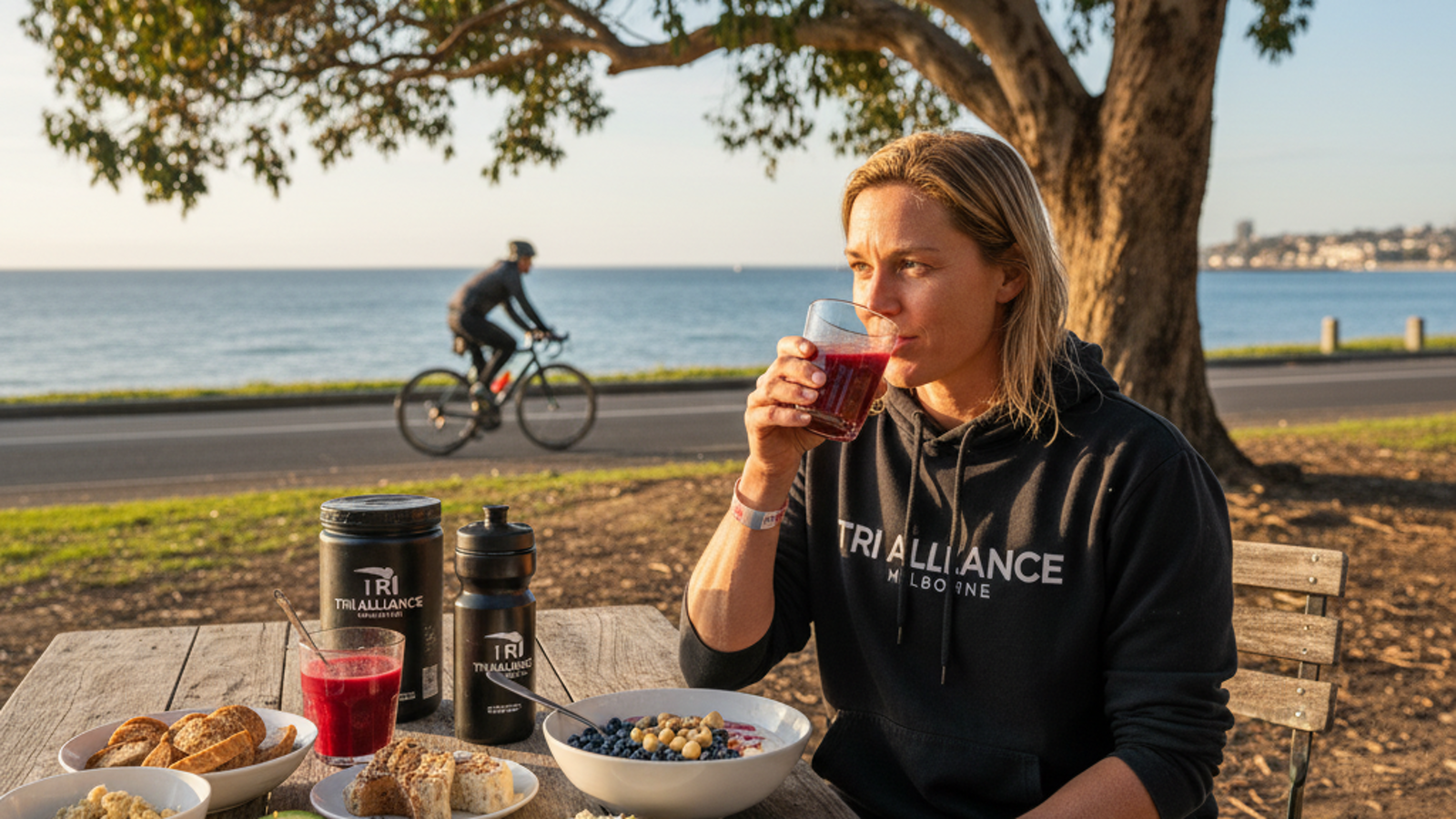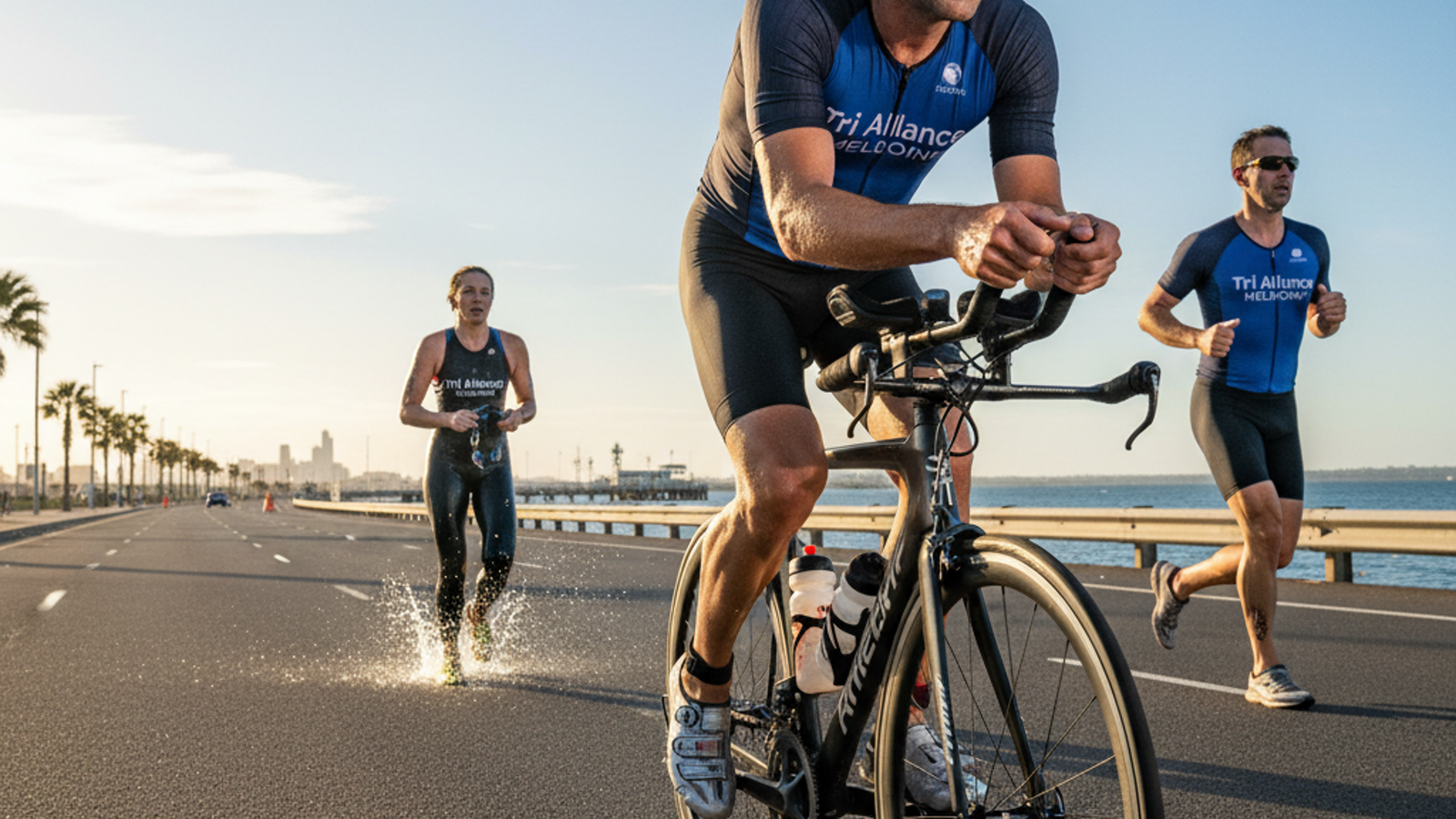

The journey to becoming an Ironman is one of profound dedication, mental fortitude, and rigorous physical training. But often overlooked, and equally critical to crossing that finish line strong, are your ironman fueling strategies. At Tri Alliance Melbourne, we understand that nutrition is not merely an afterthought; it’s the bedrock upon which your performance is built, both in training and on race day. This comprehensive guide will equip you with the practical, evidence-based nutrition knowledge you need to optimise your energy, enhance recovery, and conquer any Ironman course, from the tropical heat of Cairns to the challenging hills of Port Macquarie.
The Foundation: Daily Nutrition for Ironman Training
Before we delve into specific race day tactics, it’s crucial to establish a robust daily nutrition framework. Your everyday eating habits lay the groundwork for adaptation, recovery, and consistent energy levels during demanding training blocks. Think of your daily plate as your long-term investment in Ironman success.
Macronutrient Breakdown: Fueling Your Engine
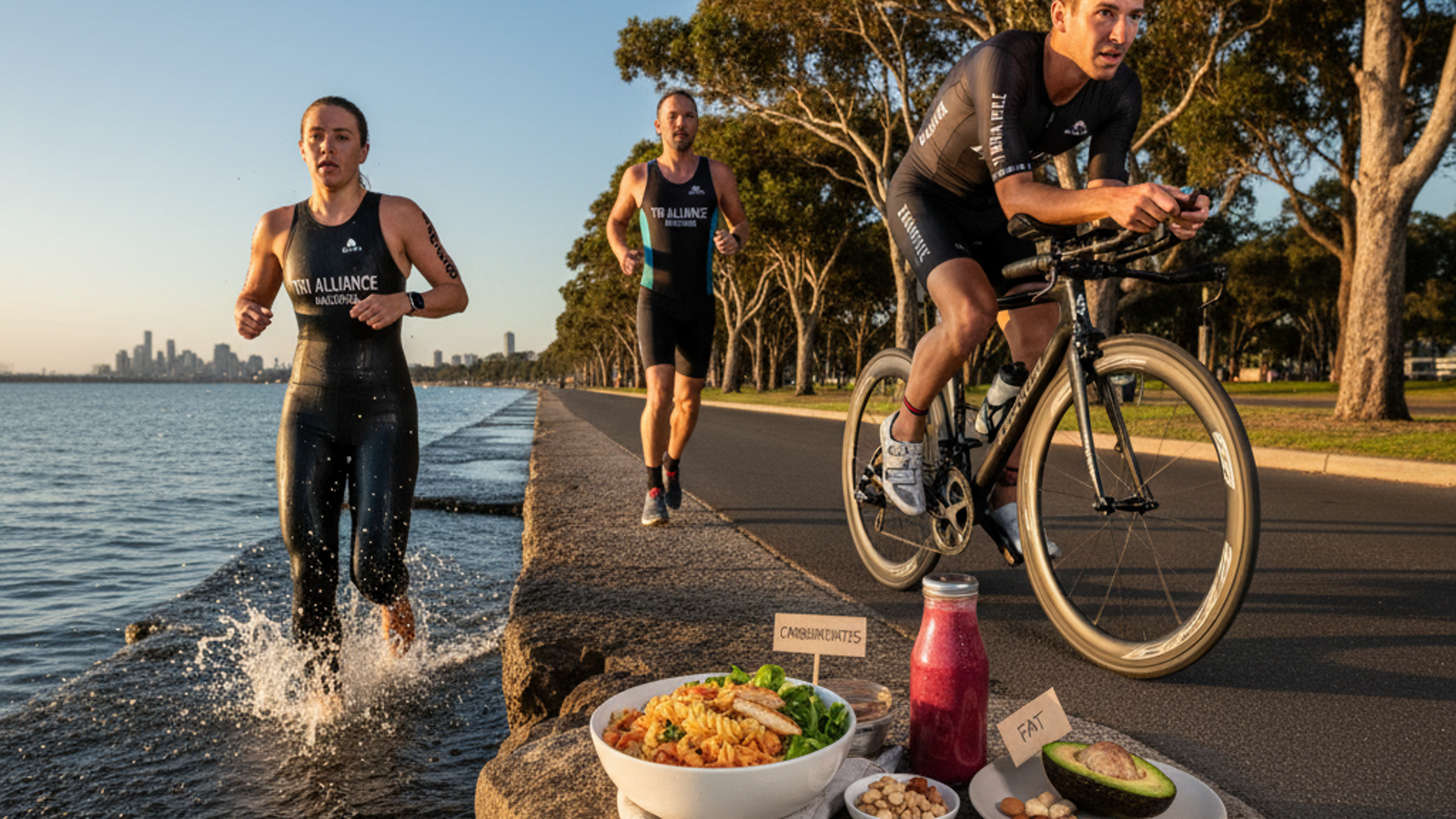
- Carbohydrates: The Primary Fuel. For an Ironman athlete, carbohydrates are king. They are your body’s preferred and most efficient energy source, especially during high-intensity and long-duration efforts. During heavy training phases, aim for 8-12 grams of carbohydrates per kilogram of body weight per day (g/kg/day). This translates to a significant portion of your daily caloric intake, often 60-70%. Focus on complex carbohydrates like whole grains (oats, brown rice, quinoa), fruits, vegetables, and legumes, which provide sustained energy and essential micronutrients.
- Protein: Repair and Rebuild. Protein is vital for muscle repair, recovery, and adaptation from the immense stress of Ironman training. Target 1.6-2.0 g/kg/day. Distribute your protein intake throughout the day, including in post-workout recovery meals. Excellent sources include lean meats, poultry, fish, eggs, dairy, and plant-based options like tofu, lentils, and beans.
- Healthy Fats: Sustained Energy and Health. While not a primary fuel during high-intensity efforts, fats are crucial for overall health, hormone production, and provide a dense energy source for lower-intensity, longer-duration training. Aim for 20-30% of your total daily calories from healthy fats such as avocados, nuts, seeds, olive oil, and fatty fish.
Micronutrients and Whole Foods: The Unsung Heroes
While macronutrients provide the bulk of your energy, don’t underestimate the power of micronutrients (vitamins and minerals). A diverse diet rich in fruits, vegetables, and whole foods ensures you get adequate amounts of these essential compounds, which play critical roles in energy metabolism, immune function, and recovery. Eating the rainbow isn’t just a cliché; it’s a strategic move for Ironman athletes.
Hydration Baseline: More Than Just Thirst
Consistent daily hydration is non-negotiable. Don’t wait until you’re thirsty; that’s already a sign of dehydration. Aim for a minimum of 3-4 litres of fluid per day, adjusting upwards based on training volume, intensity, and environmental conditions (e.g., hot Melbourne summer days). Water is primary, but herbal teas and electrolyte-enhanced drinks can also contribute, especially around workouts.
Fueling Around Your Workouts: Precision Timing
Your nutrition strategy shifts significantly around your training sessions. Precision timing and appropriate food choices can make a huge difference in performance, energy levels, and recovery.
Pre-Workout Fueling: Priming the Pump
The goal here is to top up glycogen stores and provide readily available energy without causing gastrointestinal distress.
- 2-4 Hours Before: A balanced meal rich in complex carbohydrates, moderate protein, and low in fat and fibre. Examples: Oats with fruit and a scoop of protein, rice with lean chicken, or a sandwich on wholemeal bread. Aim for 1-4 g/kg of carbohydrates in this window, depending on the duration and intensity of the session.
- 30-60 Minutes Before: If you need a quick top-up, opt for easily digestible carbohydrates like a banana, a small energy bar, or a few dates. Avoid anything heavy or high in fibre.
During Workout Fueling: Sustaining the Effort
For sessions longer than 90 minutes, especially long rides or runs, fueling during the workout becomes critical to prevent glycogen depletion and maintain performance.
- Carbohydrates: Aim for 30-60 grams of carbohydrates per hour (g/hr) for sessions lasting 1.5-3 hours. For sessions exceeding 3 hours, especially specific Ironman simulation efforts, you should train your gut to tolerate 60-90 g/hr, and potentially even up to 120 g/hr for elite athletes or those with highly trained guts. This can come from gels, chews, sports drinks, or easily digestible real foods like bananas or rice cakes. Experiment with different sources to find what works for you.
- Hydration: Drink to thirst, but also aim for a consistent intake of 500-1000 ml of fluid per hour, depending on sweat rate and environmental conditions. Hot conditions, common during Australian summers, will demand higher fluid intake.
- Electrolytes: Especially sodium, are crucial to replace what’s lost through sweat. Aim for 250-500 mg of sodium per hour, increasing to 500-1000 mg/hr in hot and humid conditions or for heavy sweaters. This can come from sports drinks, electrolyte tablets, or salt capsules.
Post-Workout Recovery: The Golden Window
The 30-60 minute window immediately following a hard or long session is prime time for recovery.
- Carbohydrates & Protein: Consume a meal or snack with a carbohydrate-to-protein ratio of approximately 3:1 or 4:1. This helps replenish glycogen stores and provides amino acids for muscle repair. Examples: Chocolate milk, a recovery smoothie (fruit, protein powder, milk), or chicken and rice. Aim for 1.0-1.2 g/kg of carbohydrates and 0.3-0.5 g/kg of protein.
- Rehydration: Continue to rehydrate with water and electrolytes.
Race Week: Tapering Your Plate
As your training volume decreases during the taper, your nutrition strategy needs to adapt. The goal is to maximise glycogen stores, ensure optimal hydration, and avoid any gut distress leading into race day.
The Taper: Reducing Volume, Maintaining Fuel
During the taper, your energy expenditure decreases, but it’s crucial not to drastically cut your food intake. While you might slightly reduce fat and protein, your carbohydrate intake should remain high, or even increase, to ensure glycogen stores are fully saturated. Continue to prioritise whole, unprocessed foods to support immune function and reduce inflammation.
Carb-Loading: The Final Push
This is where you super-saturate your muscle and liver glycogen stores.
- Timing: Typically begins 24-48 hours before the race.
- Strategy: Increase carbohydrate intake to 10-12 g/kg of body weight per day. Focus on easily digestible, low-fibre carbohydrates to minimise gut issues. Examples include white rice, pasta, white bread, potatoes, fruit juices, and sports drinks. Avoid excessive fibre, rich sauces, and overly fatty foods.
- Hydration: Alongside increased carbs, significantly boost your fluid intake. Glycogen binds with water (approximately 3 grams of water per gram of glycogen), so proper hydration is essential for effective carb-loading.
Hydration and Electrolyte Focus
Leading into race day, be proactive with hydration. Sip water and electrolyte-rich drinks regularly. Consider adding extra sodium to your meals (e.g., a pinch of salt on your pasta) or using electrolyte tablets if you know you’re a heavy or salty sweater. This pre-loading helps ensure you start the race well-hydrated and with balanced electrolytes.
Ironman Race Day Fueling: Your Performance Blueprint
This is the culmination of all your training and nutritional practice. Stick to your proven plan, trust your gut (literally!), and execute with precision.
Pre-Race Meal: The Last Supper
- Timing: Consume 2-4 hours before the swim start. This allows for proper digestion and absorption.
- Composition: High in easily digestible carbohydrates (1-4 g/kg of body weight), low in fat, low in fibre, and moderate in protein. Examples: White bread with jam, oatmeal, white rice, or a plain bagel. Avoid new foods or anything that has caused issues in training.
- Hydration: Sip 500-750 ml of water or a sports drink in the 2-3 hours leading up to the race. Stop drinking about 45-60 minutes before the start to allow for a final toilet stop.
The Swim: Minimal, but Key
The swim leg typically requires minimal direct fueling. If you’re prone to anxiety or have a long wait before the start, a gel or a few sips of a sports drink 15-30 minutes before the gun can top off blood glucose and calm nerves. Focus more on hydration in the hours leading up to the swim.
The Bike: Your Fueling Powerhouse
The bike leg is where you lay the foundation for your run. It’s your primary opportunity to take in significant calories, fluids, and electrolytes. Your strategy here will directly impact your ability to run strong off the bike.
- Carbohydrates: Aim for 60-90 g/hr, pushing towards the higher end for athletes with trained guts and those aiming for faster times. Some athletes can tolerate up to 120 g/hr with specific multi-transportable carbohydrate formulas (e.g., glucose-fructose mixes). Distribute this intake evenly throughout the ride.
- Sources: Gels (often 20-30g carbs each), chews, sports drinks, and easily digestible real foods (e.g., half a banana, small rice cakes, specific energy bars). Variety can help prevent flavour fatigue.
- Australian Course Considerations: For a race like Ironman Cairns, with its hot and humid conditions, ensuring adequate fluid and electrolyte intake alongside carbohydrates is paramount. The undulating terrain of Port Macquarie might require slightly higher carbohydrate intake on climbs to power through.
- Hydration: Target 750-1000 ml of fluid per hour, adjusting for individual sweat rate and environmental conditions. This is crucial in Australian races known for their heat, like Cairns or Busselton.
- Electrolytes: Essential to prevent cramping and maintain fluid balance. Aim for 500-1000 mg of sodium per hour. This can come from sports drinks, electrolyte tablets, or salt capsules. Don’t rely solely on plain water.
- Practice: Every aspect of your bike fueling must be rigorously practiced in training, especially during your long rides. Know exactly what you’ll consume and when.
Frequently Asked Questions: Ironman Fueling
How many carbohydrates do I really need per hour during an Ironman?
For most age-group athletes, aim for 60–90g of carbohydrate per hour once you’re on the bike, using a mix of glucose and fructose sources so your gut can absorb more without protest. Heavier and faster athletes trend toward the upper end. The golden rule: whatever number you land on, you must have rehearsed it in long training sessions first. Race day is never the place to experiment.
What should I eat the night before and on the morning of my Ironman?
The night before, keep it familiar, carbohydrate-rich and low in fat and fibre — think pasta, rice or a favourite dish you’ve eaten before big sessions. On race morning, eat 2.5–3 hours before your swim start: a breakfast of around 100–150g of carbohydrate (oats, banana, toast with honey, a sports drink) that you know sits well. Nervous stomach? A liquid option like a smoothie or sports drink can be gentler than solids.
How do I avoid stomach issues and GI distress on race day?
GI distress usually comes from doing something new or too much, too fast. Train your gut the same way you train your legs — practise your exact race-day intake on long rides and runs. Stick to well-tested products, don’t over-concentrate your drinks, and pair carbohydrates with adequate fluid so everything empties from the stomach smoothly. If you cramp or bloat in training, adjust before race week, not on the day.
How much fluid and sodium do I need in hot Australian races like Cairns or Busselton?
In our warmer races, plan for 750–1000ml of fluid per hour and 500–1000mg of sodium per hour, adjusting up if you’re a heavy or salty sweater. Heat and humidity ramp up both sweat and electrolyte losses, so don’t rely on plain water alone — build sodium in through sports drinks, electrolyte tablets or salt capsules, and start hydrating well before the gun goes off.
Fuel Smart, Race Strong — With Tri Alliance Behind You
A great Ironman fueling plan isn’t guesswork — it’s built, tested and refined over months of training, ideally with a coach who knows your body and your race. At Tri Alliance, our Melbourne-based coaches help athletes of every level dial in nutrition that actually works on the day, so you cross that line strong instead of surviving. Whether it’s your first Ironman or your fastest, you don’t have to figure it out alone. Get in touch with the Tri Alliance team and let’s build your race-day fueling plan together.
Choosing a gel format? Use our Tri Alliance guide to the best energy gels for Ironman to compare carbohydrate dose, water needs, tolerance and course logistics.
Discover more from Tri Alliance Triathlon Community
Subscribe to get the latest posts sent to your email.