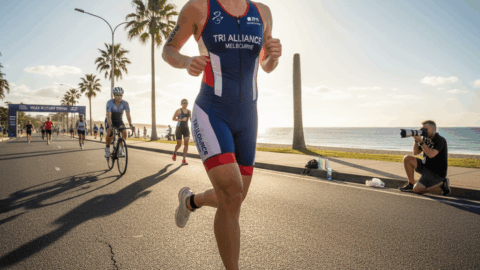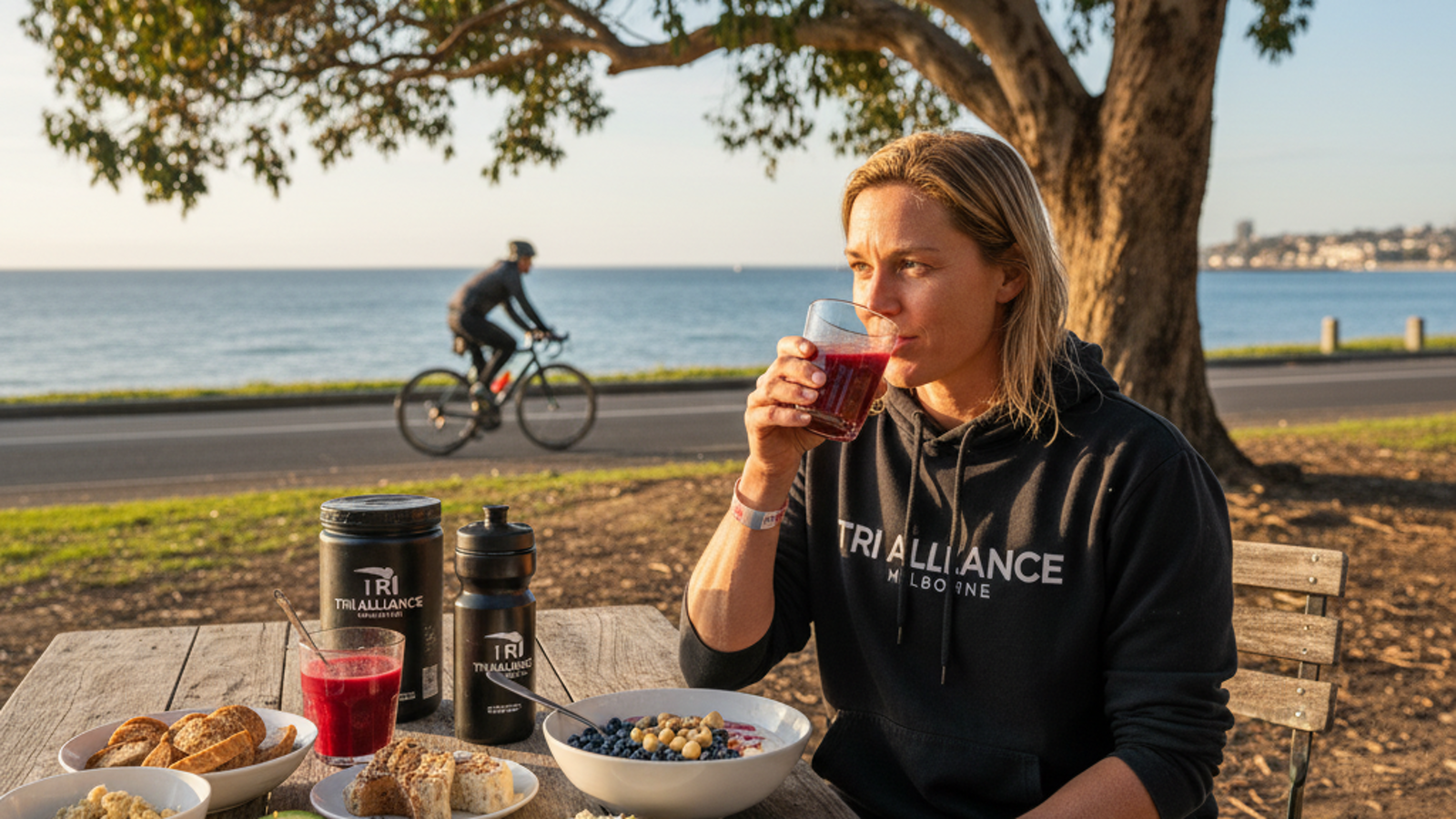


September is an exciting point in the triathlon calendar. Winter consistency has created a foundation, the mornings are beginning to change and future goals start to feel more immediate. It is tempting to respond by making every session faster and longer at once.
A better September triathlon training phase has more structure. It develops three connected qualities: strength to support good movement, endurance to sustain that movement and speed to use it with greater intent.
The balance is different for a beginner, a short-course athlete and a long-course athlete. The principle is shared, however: build progressively, keep easy training genuinely controlled and give every demanding session a clear purpose.
September Is a Bridge, Not a Starting Gun
The work completed through winter does not need to be abandoned when spring arrives. Aerobic training, technical practice and general strength remain valuable. September adds another layer rather than replacing the foundation.
Think of the month as a bridge between broad preparation and the more specific work that follows. Sessions may become more structured. Longer efforts might appear within endurance training. Short, controlled speed can return. Strength work can increasingly support the positions and movement patterns used in swim, bike and run.
This does not mean every athlete should train in the same way. Your event distance, experience and current consistency determine which quality deserves the greatest emphasis.
Three Priorities, Different Applications
| Athlete type | Primary September focus | Strength emphasis | Endurance emphasis | Speed emphasis |
|---|---|---|---|---|
| Beginner | Consistency and confidence | Simple movement control and technique | Gradually extend easy continuous work | Short, relaxed efforts with full control |
| Short-course | Power, pace changes and technical quality | Robust movement and force production | Enough aerobic work to support repeatability | Structured race-relevant intervals |
| Long-course | Durability and sustainable output | Postural control and resilience | Progressive long sessions and steady volume | Controlled efforts that preserve endurance quality |
Strength: Building a Better Platform
Strength in triathlon is not only about lifting heavier weights. It includes the ability to maintain useful positions, apply force efficiently and keep moving well as fatigue develops.
In the pool, strength supports a stable body line and a purposeful catch. On the bike, it contributes to control through the hips and trunk while the legs produce steady power. On the run, it helps maintain posture and coordination when the session becomes demanding.
For beginners
The priority is competence. Simple, repeatable exercises and technical drills are more useful than chasing complexity. Beginners should learn to move with control and develop routines that can be sustained alongside swim, bike and run. Consistency is the win.
For short-course athletes
Strength can support the sharper demands of shorter racing, including changes of pace, climbing, acceleration and running strongly after the bike. It should complement key sport-specific sessions rather than leave the athlete too fatigued to execute them properly.
For long-course athletes
The goal is durability. Long-course athletes need to hold an effective position for extended periods and continue moving economically late in training. Strength work should reinforce that stability while fitting sensibly around longer rides and runs.

Endurance: Extending What You Can Sustain
Endurance remains the centre of triathlon preparation. Even when speed work becomes more visible, aerobic training provides the platform that allows you to repeat quality efforts and recover between them.
September is a sensible time to progress endurance gradually. That might mean adding a little duration to the weekly ride, extending a continuous swim set or building the long run in manageable steps. The progression should be small enough that normal training can continue around it.
For beginners
Beginners benefit from learning what a truly sustainable effort feels like. The objective is to finish easy sessions feeling in control, not to turn every outing into a test. Extending one session at a time can build confidence without making the whole week overwhelming.
For short-course athletes
Short-course racing still relies heavily on aerobic fitness. Endurance work helps athletes hold technique and repeat higher-quality intervals. The longest sessions may not need to match long-course volume, but they should be consistent enough to support the faster work.
For long-course athletes
Long-course athletes place greater emphasis on duration, stable pacing and time spent in race-relevant positions. The best long sessions are disciplined. Starting too hard can compromise the work that matters later, while controlled early pacing creates an opportunity to practise durability.
“September is a bridge, not a starting gun.”
Speed: Add Precision Before Volume
Speed is valuable when it is introduced with purpose. September is not an invitation to sprint every session. It is an opportunity to practise moving faster while keeping technique, posture and judgement intact.
Speed can take several forms: short relaxed accelerations, controlled threshold intervals, cadence changes on the bike or faster repetitions in the pool. The appropriate format depends on the athlete and the phase.
For beginners
Speed should feel like skill development. Brief efforts with generous recovery let a beginner experience a quicker rhythm without turning the session into survival. The focus remains on relaxed movement and confidence.
For short-course athletes
This group can use more structured intervals and pace changes. The work may be more demanding, but it should remain repeatable. A strong session is one in which the final efforts still show control, not one where pace collapses after an overenthusiastic start.
For long-course athletes
Speed work should support sustainable performance rather than compete with the endurance program. Controlled tempo or threshold efforts can improve range and make steady pacing feel more economical, but they need to be placed carefully around long sessions.
How to Balance the Training Week
The three priorities do not need equal attention every day. A good week distributes stress so that demanding sessions are separated by easier training or recovery. It also avoids placing every key session into one crowded block simply because the weekend offers more time.
For many athletes, two or three genuinely important sessions are enough to anchor the week. These might include a structured swim, a focused bike session and a purposeful run. Other sessions develop aerobic support, technique or recovery.
Your week should also reflect your current level. A beginner training consistently three or four times may gain more from maintaining that rhythm than adding extra sessions. A developed short-course athlete may need careful separation between higher-intensity work. A long-course athlete must protect the quality and recovery surrounding longer sessions.
Progress Without Rushing
Spring enthusiasm is powerful, especially when squad energy is high. Use it to become more consistent, not merely more tired.
Progress one variable at a time where possible. If a long ride becomes longer, every interval session does not also need to become harder. If speed is returning to the run program, the surrounding runs can remain controlled. If strength work progresses, allow time to learn how it affects the rest of the week.
Coaching helps turn these general principles into an appropriate plan. A coach can see how the disciplines interact, adjust the balance for your experience and help prevent one exciting session from disrupting the larger training block.
Build September Together
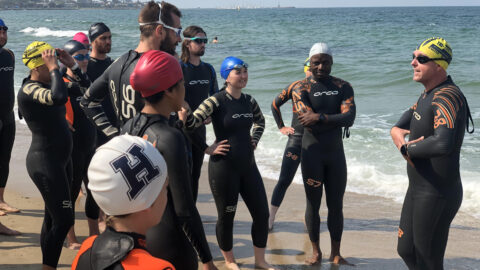
The value of squad training is not limited to motivation. It creates shared rhythm, experienced guidance and the reassurance that athletes with different goals can train together while following distinct priorities.
A beginner may be mastering consistency, a short-course athlete may be developing pace and a long-course athlete may be extending durability. Each is progressing when the session matches the athlete in front of it.
Approach September with patience and intent. Build strength that supports movement, endurance that lasts and speed that remains controlled. The aim is not to rush toward peak training. It is to establish a spring platform strong enough to support everything that comes next.
Join a coached squad through Tri Alliance training, or explore our triathlon training plans to find a structured pathway for your experience, distance and goals.
Turn this phase into a practical rehearsal with our Melbourne triathlon race simulation workout guide, using a measured session to connect pacing, transitions and equipment execution.
Related guide: Read Recovery First, Speed Next for the practical Reduce, Read, Reintroduce framework and the transition into threshold training.
Discover more from Tri Alliance Triathlon Community
Subscribe to get the latest posts sent to your email.