What Are Macronutrients and Why Do They Matter for Triathlon?
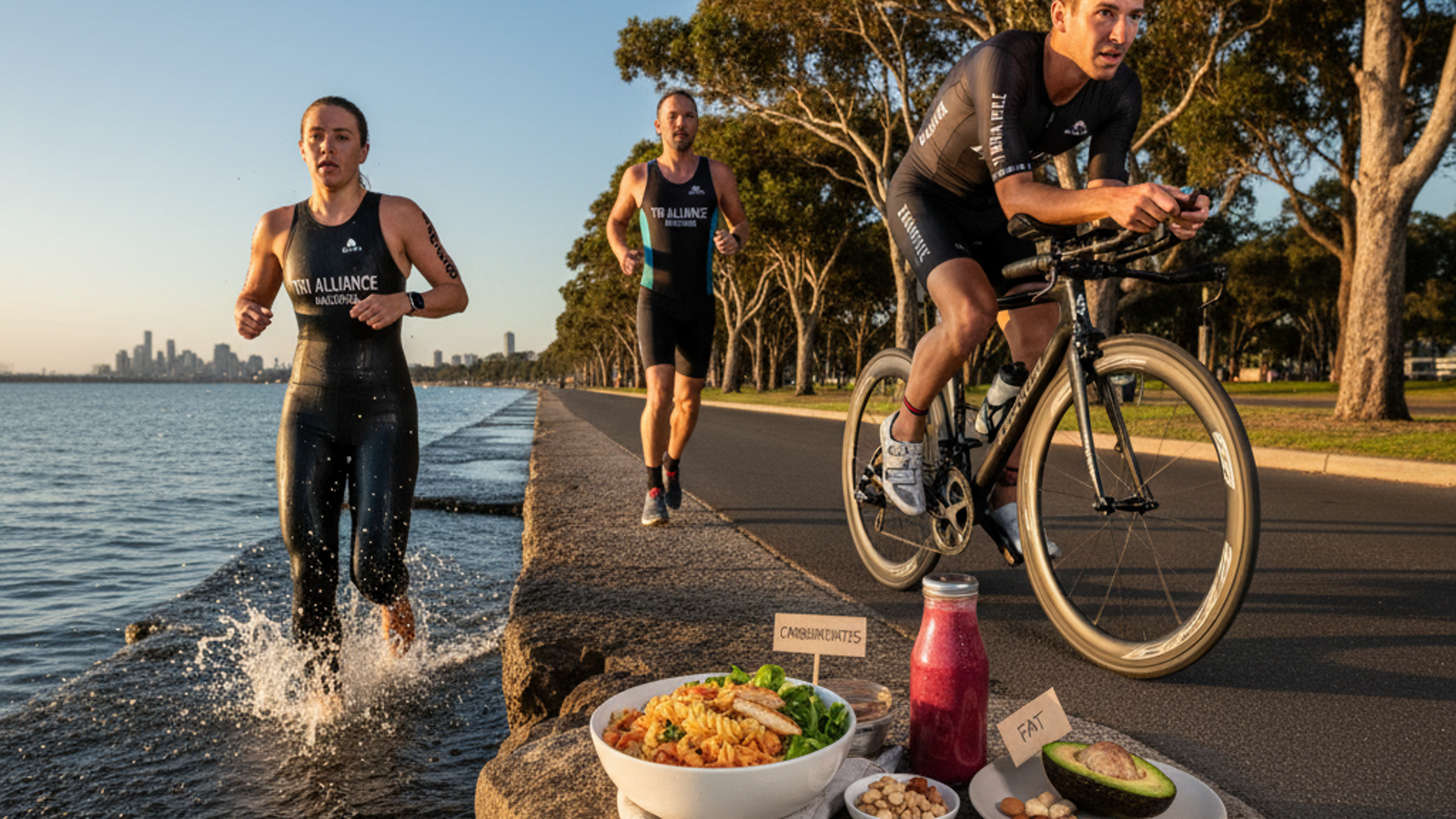
Macronutrients — carbohydrates, protein, and fat — are the three sources of dietary energy your body runs on. For triathletes training and racing in Melbourne’s competitive scene, getting the right balance of macros is not just a fitness consideration; it directly determines your power output on the bike, your pace on the run, and how quickly you recover for the next session.
There is no single macro ratio that works for every athlete. The right balance depends on your training phase, the type of session you’re completing, your body weight, and your race goals. What follows is a practical framework for understanding and applying macronutrient balance to enhance triathlon performance.
Carbohydrates: The Engine of High-Intensity Performance
Carbohydrates are the body’s preferred and most efficient fuel for moderate to high-intensity exercise — exactly the intensities that define triathlon racing and interval training.
How Carbohydrates Fuel Performance
When you eat carbohydrates, they are broken down into glucose and stored as glycogen in your muscles and liver. During a race or hard training session, glycogen is your primary energy currency. Once glycogen runs low — typically after 60–90 minutes of sustained effort — pace drops sharply (the “bonk” or “hitting the wall”).
How Much Carbohydrate Do Triathletes Need?
| Training Phase | Carbohydrate Target | Example (75 kg athlete) |
|---|
| Rest / easy day | 3–5 g/kg/day | 225–375 g/day |
| Moderate training (1–2 hrs) | 5–7 g/kg/day | 375–525 g/day |
| Heavy training / pre-race | 7–10 g/kg/day | 525–750 g/day |
| Ironman race week carb load | 10–12 g/kg/day | 750–900 g/day |
Quality carbohydrate sources: oats, white/brown rice, sweet potato, pasta, fruit, and sports nutrition products for on-the-go fueling. During the carb-loading window (48–72 hours pre-race), favour low-fibre options like white rice and white bread to minimise gut burden on race morning.
Protein: The Foundation of Muscle Repair and Adaptation
Protein does not power your race — carbohydrates and fats do — but protein is essential for repairing the micro-damage that training causes in your muscles, tendons, and connective tissue. Without adequate protein, training adaptations stall and injury risk climbs.
Protein Targets for Triathletes
The general population needs approximately 0.8 g/kg/day. Endurance athletes training at moderate-to-high volume need considerably more:
- Endurance focus (swim/bike/run): 1.2–1.6 g/kg/day
- Strength + endurance combination: 1.6–2.0 g/kg/day
- Recovery phase or injury: up to 2.0 g/kg/day
For a 75 kg triathlete in peak training, this means
90–150 grams of protein per day. Spread intake across 4–5 meals and snacks for optimal muscle protein synthesis — single large protein boluses are less effective than regular, moderate servings of 25–40 g per meal.
Best Protein Sources
Lean meats (chicken, turkey, lean beef), fish (salmon, tuna, barramundi — widely available at Melbourne’s Queen Victoria Market), eggs, Greek yogurt, cottage cheese, legumes, and protein supplements (whey, casein, pea protein) all count. Timing matters: consume 25–40 g protein within 30–60 minutes post-session to maximise muscle protein synthesis.
Fats: Sustained Energy and Hormonal Health
Fat is a misunderstood macronutrient in sport. At race pace, fat is too slow-burning to power you — but at lower intensities (long aerobic rides, easy runs) fat contributes meaningfully to energy. More importantly, dietary fat supports hormone production, absorbs fat-soluble vitamins (A, D, E, K), and reduces systemic inflammation.
Fat Targets and Sources
Fat should make up approximately
20–35% of total calories for most triathletes. For a 75 kg athlete consuming 2,800 kcal/day, that’s 62–109 g of fat per day.
| Fat Type | Sources | Role |
|---|
| Monounsaturated | Avocado, olive oil, almonds | Anti-inflammatory, heart health |
| Polyunsaturated (Omega-3) | Salmon, mackerel, chia seeds, walnuts | Reduces muscle soreness, supports recovery |
| Saturated | Dairy, lean meat | Acceptable in moderation |
| Trans fats | Processed/fried foods | Avoid — increases inflammation |
Tailoring Macros to Your Training Phase
A single macro split does not work year-round. Smart triathletes adjust intake to match training demands:
Base Phase (Low Volume, Aerobic Focus)
Moderate carbohydrate (5–6 g/kg), higher fat proportion, adequate protein. This phase builds aerobic efficiency and fat adaptation without the caloric demands of peak training.
Build and Peak Phase (High Volume, High Intensity)
Carbohydrates rise significantly (7–10 g/kg). Protein stays consistent. This is the phase where fueling sessions before, during, and after training sessions becomes critical to performance and recovery.
Race Week
Carbohydrate loading (10–12 g/kg), slightly reduced fat and protein to make room for carbs calorically, and reduced fibre to protect gut function. Hydration increases alongside carb intake (each gram of glycogen holds approximately 3 g of water).
Frequently Asked Questions
What macronutrient ratio is best for a triathlete?
A common starting point is 55–65% carbohydrates, 15–20% protein, and 20–30% fat. However, this shifts significantly across training phases. During base training you may eat closer to 50% carbs and 30% fat; during race week, carbs may reach 70% of total intake. Work with your output — if training quality drops or you’re chronically fatigued, carbohydrate intake is likely insufficient.
Should I reduce carbs to lose weight during triathlon training?
Significant carbohydrate restriction during moderate-to-high training volume is counterproductive. It impairs training quality, suppresses immune function, and risks overuse injuries. If weight management is a goal, focus on reducing fat and overall caloric intake modestly during easy training days rather than cutting carbohydrates across the board.
How does protein timing affect recovery?
Protein consumed within 30–60 minutes post-exercise — particularly a mix of fast-digesting whey protein and carbohydrates — accelerates muscle protein synthesis and glycogen resynthesis simultaneously. Casein protein before bed provides a slower-digesting amino acid supply overnight, supporting repair during sleep. Melbourne athletes with multiple sessions per day benefit most from this strategic timing.
Do fat intake levels affect performance in long-course racing?
Yes. Athletes with high aerobic capacity and fat oxidation efficiency can spare glycogen longer in Ironman-distance events, which directly improves performance in the back half of the race. Training in a periodically fasted state or completing long low-intensity sessions with lower carbohydrate availability can enhance fat metabolism over time — though this strategy requires careful periodisation to avoid compromising quality training sessions.
Practical Macro Targets at a Glance
| Macronutrient | Training Days | Race Week | Recovery Days |
|---|
| Carbohydrate | 6–8 g/kg | 10–12 g/kg | 3–5 g/kg |
| Protein | 1.4–1.8 g/kg | 1.2–1.5 g/kg | 1.6–2.0 g/kg |
| Fat | 20–30% of kcal | 15–20% of kcal | 25–35% of kcal |
Macro Balance in Practice This Week
- Log 3 days of eating using any free app (Cronometer is excellent). Don’t change anything yet — just measure.
- Check your carbohydrate intake on the day before a hard session. It should be your highest carb day.
- Post-long-ride or run: eat within 30 min. Aim for a 3:1 carb-to-protein ratio (e.g., banana + yoghurt, rice + chicken).
- If you regularly feel flat in the afternoon, add 20–30g of quality carbs to lunch — not sugar, complex sources like oats or sweet potato.
- Australian tip: Tri Alliance squad sessions burn 600–1,000+ calories. Many athletes under-fuel compared to what a hard Melbourne summer session actually costs.
Want a complete training plan built around your goals and schedule? Book a free coaching consultation with a Tri Alliance coach, or try our interactive goal-setting worksheet to find the right program for your next event.
Related
Discover more from Tri Alliance Triathlon Community
Subscribe to get the latest posts sent to your email.