
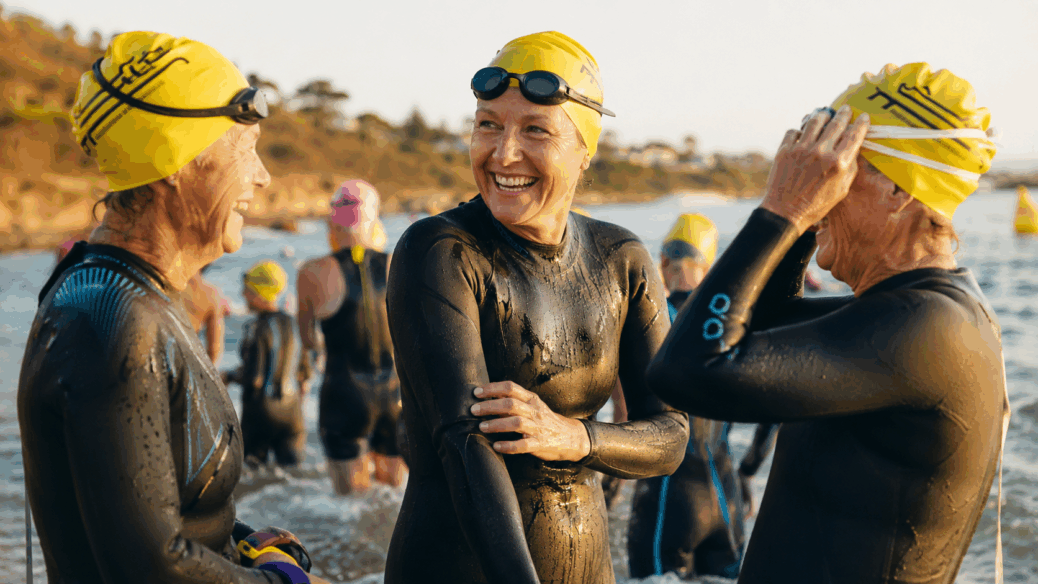
Swim Gear for Triathletes: What to Buy, What to Skip
Triathlon swimming differs from pool lap swimming in almost every way — colder water, no walls to push off, sighting landmarks instead of black lines, and the need to transition quickly onto a bike. Your gear choices should reflect those differences. Here’s what actually works for Melbourne triathletes training in Port Phillip Bay and racing open water events across Australia.Wetsuits: The Biggest Performance Lever in the Swim
A good wetsuit does three things: keeps you warm, improves buoyancy, and reduces drag. In Australian racing, most events are wetsuit-legal below 24.6°C water temperature. Port Phillip Bay averages 13–14°C in winter and 19–20°C in summer — wetsuit territory for 9–10 months of the year.Full Suit vs. Sleeveless
A full-sleeve suit provides more buoyancy and warmth. A sleeveless (farmer john) suit allows more shoulder flexibility and is better for strong swimmers in warmer water (20–24°C). Most Tri Alliance athletes use a full suit — the buoyancy benefit outweighs any restriction for the vast majority of swimmers.Neoprene Thickness
Wetsuits use different thickness across the body. Typical configuration: 5mm on the torso and legs for buoyancy, 1.5–3mm on the arms and shoulders for flexibility. Thicker than 5mm restricts movement and won’t be approved for racing.| Wetsuit | Price (AUD) | Best For | Key Feature |
|---|---|---|---|
| Orca Apex Float | $480 | Beginner/intermediate | High buoyancy panels |
| Zone3 Advance | $550 | Intermediate | Balance of warmth and flex |
| ROKA Maverick Pro II | $850 | Competitive | Ultra-stretch shoulders |
| Blueseventy Helix | $780 | Advanced | Body position optimisation |
Wetsuit Fit: What Matters
A wetsuit must be snug, particularly around the neck and ankle cuffs. Water flushing through a loose neck seal reduces thermal protection and increases drag. You should feel restricted standing still but have full shoulder rotation in the water. If the suit pinches your neck after 5 minutes of swimming, size up.Goggles: Clarity, Seal, and Lens Choice
Pool goggles don’t cut it for open water. You need a wider field of view for sighting and a tinted lens for glare from Port Phillip Bay in morning races.Key Features
- Anti-fog coating: Essential — re-apply with anti-fog drops monthly or the coating degrades
- Lens tint: Smoke or mirrored for sunny conditions; clear or amber for overcast or indoor pools
- UV protection: Required for open-water racing in Australian conditions
- Adjustable nose bridge: Critical for fit — goggles that seal differ dramatically between face shapes
Swim Caps
Race organisers provide silicone or latex caps for wave identification. Training in your own silicone cap (AU$10–20) reduces drag and keeps hair out of goggles. Neoprene caps (Zone3, ~AU$40) add significant warmth for winter open-water sessions at Brighton or Elwood Beach — water temperature below 16°C warrants the extra insulation.Training Aids That Improve Technique
The right training aids accelerate technique development and are used in most Tri Alliance pool sessions:- Pull buoy: Isolates arm pull, improves body position. Every triathlete should own one (AU$15–30).
- Kickboard: Leg-specific drills. Less critical for triathletes than competitive swimmers but useful for kick technique.
- Paddles: Increases resistance to build pull strength. Use only when your technique is solid — paddles amplify poor mechanics and cause shoulder injuries.
- Band (no kick): A loop of rubber around your ankles forces reliance on your pull. Harder than a pull buoy, better for race simulation.
- Fins: Short training fins (Finis Zoomers, AU$65) build ankle flexibility and leg power. Avoid long scuba fins.
Open Water Specifics for Melbourne
Training in Port Phillip Bay, Elwood canal, or Albert Park Lake adds specific challenges:- Tow float / safety buoy: Required at many open-water swim venues. Provides visibility and emergency flotation (AU$30–60).
- Body glide or Vaseline: Apply to neck, underarms, and ankles before putting on a wetsuit to prevent chafing and aid removal in T1.
- Earplugs: Optional but reduce otitis externa (swimmer’s ear) risk for athletes swimming multiple days per week.
Frequently Asked Questions
What water temperature requires a wetsuit in triathlon racing?
Triathlon Australia and World Triathlon make wetsuits mandatory below 16°C and legal between 16–24.6°C. Above 24.6°C, wetsuits are typically banned due to overheating risk.How do I remove a wetsuit quickly in T1?
Practice is the only answer. Unzip running out of the water, pull shoulders down to your waist, step out of the ankle cuffs. A small application of baby oil or Body Glide at the ankles reduces removal time significantly. Practise 5+ times before race day.How long does a triathlon wetsuit last?
A quality wetsuit lasts 5–7 seasons with proper care: rinse in cold fresh water after every swim, dry in shade, never fold (hang or roll loosely). Neoprene degrades faster in direct sunlight and chlorinated water.Do I need different goggles for pool and open water?
Ideally, yes. Open-water goggles have larger lenses for wider peripheral vision and are available with polarised or tinted lenses. Pool goggles can work in a pinch but you’ll notice the difference when sighting.Where can I do open-water swim training in Melbourne?
Brighton Beach, Elwood Beach, and Albert Park Lake are the most commonly used spots. Tri Alliance run regular open-water swim sessions from Brighton with coach supervision — strongly recommended for athletes transitioning from pool to open water for the first time.For the race-day decision behind that gear choice, use our wetsuit temperature guide to compare full-sleeve, sleeveless and no-wetsuit options against the rules and your body position.
Swim Gear Check This Week
- Rinse and hang your wetsuit after every open-water session — chlorine and salt destroy neoprene. Never hang it folded or on a thin hanger.
- Check your goggles for UV coating cracks by holding them up to the light. If the seal is leaking air when you press them to your face, replace the gasket.
- Swim cap audit: latex degrades after 6–12 months. If it tears easily or sticks to itself when dry, it’s time for a new one.
- Test your wetsuit buoyancy before your next open-water event — in a pool is fine. Ensure the fit hasn’t changed if your weight has shifted.
- Goggle fit tip: if your goggles leave deep marks after a 1.9km swim, they’re too tight. Loosen the strap slightly — suction, not compression, creates the seal.
Want a complete training plan built around your goals and schedule? Book a free coaching consultation with a Tri Alliance coach, or try our interactive goal-setting worksheet to find the right program for your next event.
Discover more from Tri Alliance Triathlon Community
Subscribe to get the latest posts sent to your email.