
Triathlon Nutrition Products: What to Use and What to Avoid
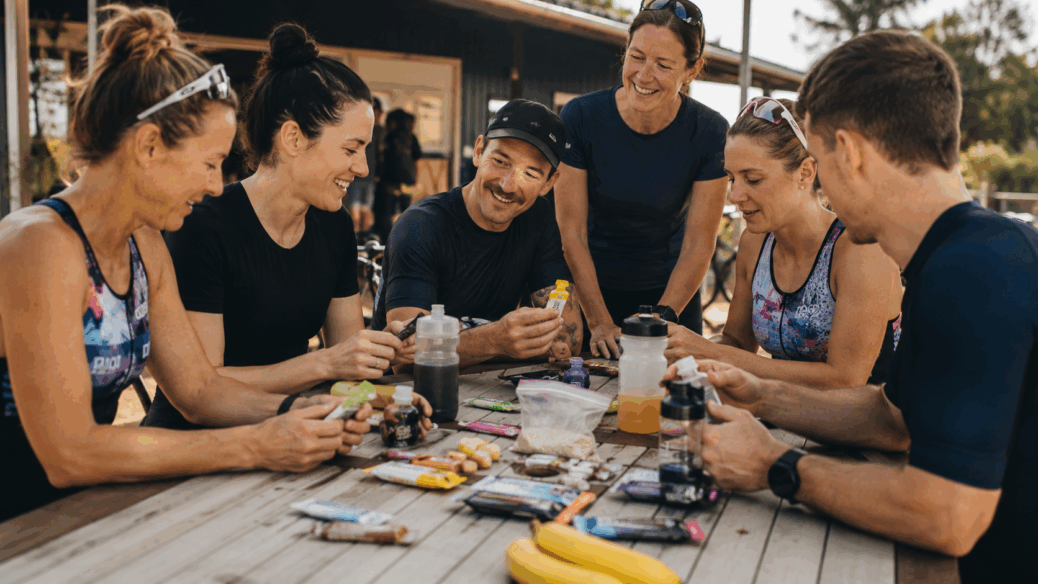
Triathlon nutrition products should solve a race-day problem, not create a new one. The right gel, drink mix or electrolyte plan helps you hit carbohydrate, fluid and sodium targets while keeping your stomach calm. The wrong product, or the right product used at the wrong time, can leave you bloated, under-fuelled or walking aid stations when you should be racing.
This guide is written for real triathletes, not supermarket wellness shelves. The question is not whether a product sounds healthy. The question is whether it helps you swim, ride and run better in training and on race day.
The Simple Rule: Products Must Be Practised
No product gets a free pass on race day. If you have not used it at race intensity, in similar weather, with similar timing, it is still an experiment. That is true for premium gels, natural bars, caffeine shots, electrolyte capsules and the drink handed out on course.
A coach’s standard is simple: test it in training, record the result, then decide. Your gut is trainable, but it needs repetition. Start with small amounts, build toward race targets, and practise during brick sessions where the run tells the truth.
What Triathlon Nutrition Products Are Actually For
Triathlon nutrition products usually do one of five jobs. Confusion starts when athletes expect one product to do all five.
| Product Type | Main Job | Best Use | Watch-Out |
|---|---|---|---|
| Energy gels | Fast carbohydrate | Bike and run fueling | Usually need water |
| Chews or blocks | Carbohydrate with chewing | Bike, early long-course run | Harder at high intensity |
| Sports drink | Carbs plus fluid | Bike bottles, hot races | Too concentrated can upset gut |
| Electrolytes | Sodium support | Heavy sweaters, hot conditions | Does not replace carbohydrate |
| Recovery products | Protein and carbs after training | Between sessions | Not a substitute for meals |
Use: Energy Gels for Predictable Carbohydrate
Energy gels are useful because they are compact, measurable and easy to carry. Most provide around 20-30 grams of carbohydrate per serve. That makes the maths simple: if your target is 60 grams per hour, you need roughly two to three gel-equivalents per hour, adjusted for drink mix and food.
The mistake is taking gels without fluid. Many gels are concentrated. Without enough water, they can sit heavily in the stomach. In training, practise the exact pattern: gel, water, settle, then continue. Do not wait until you feel flat. Fueling is a schedule, not a rescue plan.
Coach example: an Olympic-distance athlete might take one gel 10 minutes before the swim start, then one gel early on the bike and one late on the bike. A 70.3 athlete might use a more structured bike plan of one bottle of carbohydrate drink per hour plus one gel every 30-40 minutes, depending on tolerance.
Use: Drink Mix for Bike Fueling
The bike is the easiest place to fuel because your breathing is more controlled and your stomach handles intake better than during the run. A carbohydrate drink mix can deliver steady energy without needing to unwrap food every few minutes.
For many age-group triathletes, a practical starting range is 40-60 grams of carbohydrate per hour for standard long sessions, building higher only after the gut has adapted. Advanced long-course athletes may work toward 75-90 grams per hour using mixed carbohydrate sources, but that should be built gradually.
Label reading matters. One scoop might not equal one serve. Work out grams of carbohydrate per bottle, not vibes per bottle. If a bottle gives 45 grams of carbohydrate and you drink one per hour, that is your base number.
Use: Electrolytes When Sodium Loss Matters
Electrolyte products are useful when sweat loss is high, the day is hot, or the athlete is prone to salt marks, cramping patterns or heavy fluid loss. Sodium helps fluid retention and supports thirst, but it is not magic. If you are under-fuelled, electrolytes will not fix low carbohydrate intake.
For Melbourne athletes, needs can change dramatically between a cool MSAC session, a humid summer brick and a hot race at the end of a long training block. Use sweat-rate checks in training: weigh before and after a session, note fluid consumed, and estimate how much fluid you lost per hour.
Use: Caffeine Carefully, Not Casually
Caffeine can sharpen focus and reduce perceived effort, but it can also raise nerves and upset the gut. The product could be a caffeinated gel, tablet, cola or drink mix. The key is knowing total dose and timing.
Do not stack caffeine products by accident. A caffeinated gel, pre-workout drink and strong coffee can add up quickly. Test caffeine in race-like sessions and decide whether it belongs before the start, late on the bike, or during the run when concentration starts to fade.
Use: Recovery Products When Food Is Delayed
Recovery shakes and bars are useful when you finish a session and cannot get a proper meal soon. They are not superior to real food; they are convenient. After hard or long sessions, aim to replace carbohydrate, include protein, and rehydrate. A shake can bridge the gap until breakfast or dinner.
If you train before work, keep a recovery option in the car or office. If you finish squad training late, have something ready before you get home hungry and under-recovered. The best recovery product is the one you actually use consistently.
Avoid: Products You Have Not Tested
The biggest red flag is novelty. Race expos, athlete bags and sponsor samples are tempting, but a new gel on race morning is not a plan. Even a high-quality product can fail if the flavour, texture, caffeine dose or carbohydrate type does not suit you.
Test products in three stages:
- Easy session: check taste and tolerance.
- Long session: check timing and repeatability.
- Brick session: check whether your run stomach copes.
Avoid: Overly Concentrated Bottles
Concentrated bottles can work, but only if the athlete understands the plan. A super bottle with several hours of carbohydrate needs water alongside it. If you sip concentrated mix without enough fluid, gut distress becomes more likely.
Label your bottles in training. Write the grams of carbohydrate on masking tape if needed. On race day, you should know what each bottle contains and what you need to drink with it.
Avoid: Wellness Products Masquerading as Race Fuel
Some products sound healthy but do not solve race demands. Low-carb bars, collagen shots, greens powders and general wellness drinks may have a place in life, but they are usually not primary race fuel. During triathlon, your body needs accessible carbohydrate, appropriate fluid and enough sodium for the conditions.
If a product cannot tell you grams of carbohydrate, sodium, caffeine and serving size clearly, it is hard to use precisely in a race plan.
Race-Distance Product Guide
| Race | Useful Products | Typical Focus |
|---|---|---|
| Sprint | Pre-race gel, water, optional sports drink | Arrive fuelled, avoid overcomplication |
| Olympic | Gel, sports drink, electrolytes if hot | Bike fueling sets up the run |
| 70.3 | Drink mix, gels, sodium plan, caffeine plan | Repeatable hourly intake |
| Ironman | Full bike/run product plan, backups, special needs | Gut tolerance and consistency |
Not For You: When To Get Individual Nutrition Help
This guide is not a medical nutrition plan. If you have diabetes, RED-S risk, coeliac disease, IBS, a history of disordered eating, repeated vomiting in races, or unexplained cramping and dizziness, work with a qualified sports dietitian. Product choice matters, but health context matters more.
FAQ: Triathlon Nutrition Products
What triathlon nutrition products should beginners start with?
Start with one simple gel, one sports drink and one electrolyte option. Practise them in training before adding caffeine, chews or concentrated bottles.
Are gels better than real food?
Gels are easier to measure and digest at higher intensity. Real food can work on the bike for long-course racing, but it needs testing because chewing and digestion are harder under race stress.
How much carbohydrate should I take per hour?
Many athletes start around 40-60 grams per hour and build from there. Higher targets can work, but only after gut training and product testing.
Do electrolyte tablets give me energy?
No. Most electrolyte tablets provide sodium and flavour, not meaningful carbohydrate. Pair them with gels, drink mix or food if you need energy.
Should I use the on-course nutrition brand?
Only if you have practised with it. If the race provides a product you tolerate well, it can simplify logistics. If not, carry your own tested plan.
The Bottom Line
The best triathlon nutrition products are boring in the best way: tested, measurable and repeatable. Choose products by the job they do, practise them under race-like conditions, and avoid anything that adds uncertainty. A calm stomach and steady energy are worth more than the latest label.
For a Melbourne race-season decision aid, apply the Tri Alliance L.A.B.E.L. check for protein bars before choosing a post-session convenience option.
Discover more from Tri Alliance Triathlon Community
Subscribe to get the latest posts sent to your email.