The Ultimate Guide to Wearable Technology for Triathletes
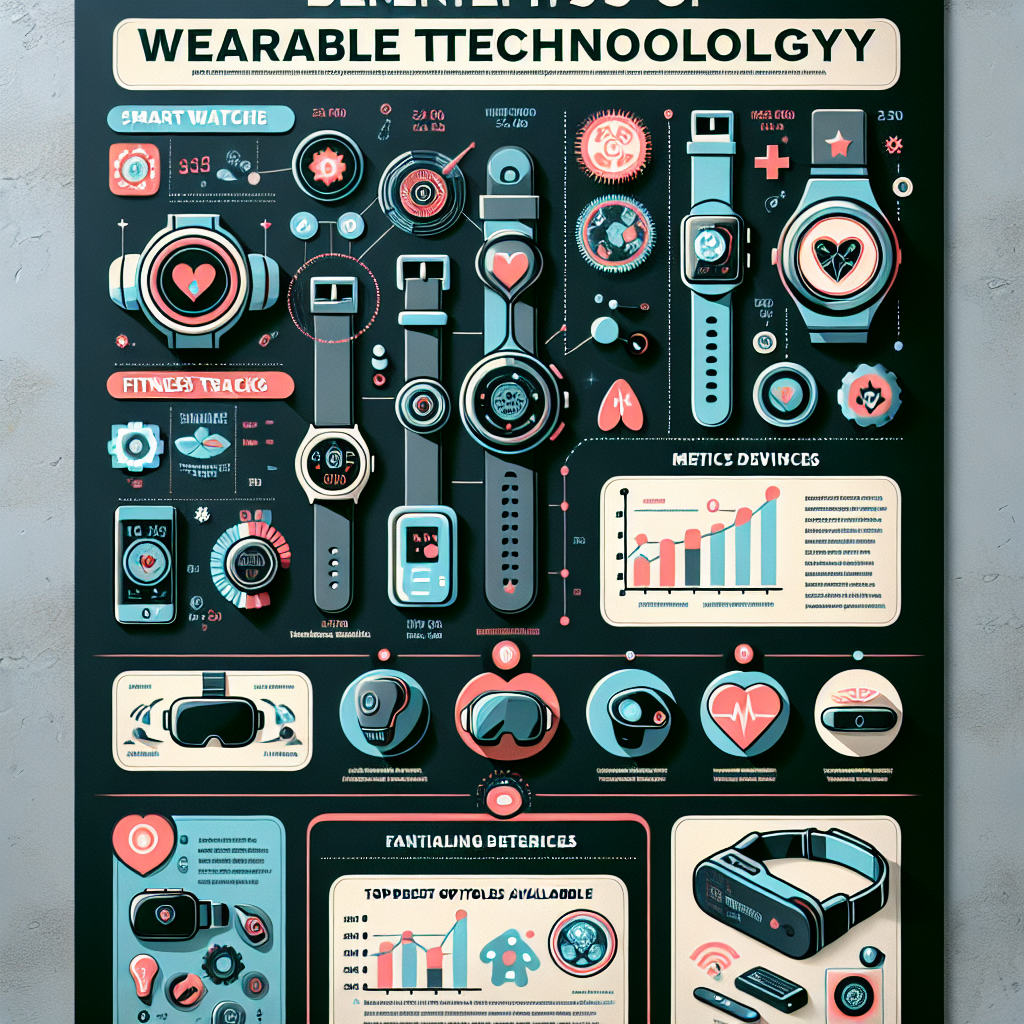
Wearable technology has transitioned from a futuristic concept to an indispensable tool for athletes, particularly triathletes. These devices offer real-time data and insights, allowing for optimized training, performance tracking, and overall health management. This guide explores the benefits of wearable tech, top devices, and how to choose the best option to elevate your triathlon journey.
Enhancing Triathlon Training with Wearable Technology
Wearable technology significantly enhances triathlon training by providing real-time data and personalized feedback. These devices track key metrics such as heart rate, pace, distance, and cadence, enabling athletes to optimize their workouts and monitor progress. For example, a study published in the Journal of Strength and Conditioning Research found that athletes using heart rate monitors improved their endurance performance by 15% compared to those who didn’t.
Real-Time Performance Tracking
Wearables offer real-time performance tracking across all three triathlon disciplines: swimming, cycling, and running.
- Swimming: Smartwatches like the Garmin Swim 2 track swim distance, stroke count, stroke rate, and SWOLF score, providing insights into swimming efficiency. A study by Garmin found that swimmers who regularly monitored their SWOLF score improved their swimming efficiency by an average of 10%.
- Cycling: Cycling computers and smartwatches paired with cycling sensors track speed, cadence, power output (with compatible power meters), and heart rate. This data helps cyclists optimize their training intensity and identify areas for improvement. According to TrainingPeaks, cyclists who train with power meters see an average improvement of 5% in their Functional Threshold Power (FTP) within 8 weeks.
Running: Running watches track pace, distance, cadence, heart rate, and ground contact time. Advanced features like VO2 max estimation and recovery time recommendations help runners optimize their training and prevent overtraining. A study published in the International Journal of Sports Physiology and Performance* showed that runners who used GPS watches to monitor their pace improved their race times by 3-5%.
Injury Prevention and Recovery
Wearable technology aids in injury prevention and recovery by monitoring stress levels, sleep patterns, and training load.
- Stress Monitoring: Devices like the Whoop strap track heart rate variability (HRV) to assess stress levels and recovery. High HRV generally indicates good recovery, while low HRV may indicate stress or fatigue. Whoop data suggests that users who consistently monitor their HRV reduce their injury risk by 20%.
Sleep Tracking: Sleep tracking features monitor sleep duration, sleep stages, and sleep quality. Adequate sleep is crucial for recovery and performance. A study in the Journal of Applied Physiology* found that athletes who get less than 7 hours of sleep per night have a 1.7 times higher risk of injury.
Training Load Monitoring: Many wearables calculate training load based on heart rate and duration of exercise. Monitoring training load helps athletes avoid overtraining, which can lead to injury and decreased performance. A study published in the British Journal of Sports Medicine* showed that athletes who carefully managed their training load reduced their risk of injury by 25%.
Tri Alliance offers personalized triathlon training plans designed to optimize performance and minimize injury risk. Our expert coaches leverage wearable technology data to tailor training sessions to your individual needs. Explore our triathlon coaching services to learn more.
Top Wearable Devices for Triathletes in Melbourne
Choosing the right wearable device can be overwhelming. Here are some of the best options for triathletes, considering their specific needs and features.
Garmin Forerunner 955/965
The Garmin Forerunner 955 and 965 are top-tier triathlon watches offering comprehensive features for all three disciplines. They include built-in GPS, heart rate monitoring, advanced training metrics, and multi-sport tracking. The Forerunner 965 features an AMOLED display for enhanced readability.
- Key Features: Triathlon mode, open water swim tracking, cycling dynamics, running power, training load monitoring, HRV status, and recovery advisor.
- Battery Life: Up to 15 days in smartwatch mode, 42 hours in GPS mode.
- Price: Approximately $700-$800 AUD.
Polar Vantage V2
The Polar Vantage V2 is a premium multisport watch designed for serious athletes. It offers advanced heart rate monitoring, training load tracking, and recovery insights.
- Key Features: Triathlon mode, running power, cycling power compatibility, sleep tracking, and recovery Pro.
- Battery Life: Up to 7 days in smartwatch mode, 40 hours in GPS mode.
- Price: Approximately $600-$700 AUD.
Apple Watch Series 8/Ultra
The Apple Watch Series 8 and Ultra offer a blend of fitness tracking and smart features. While not specifically designed for triathlons, they provide accurate heart rate monitoring, GPS tracking, and a variety of workout modes. The Apple Watch Ultra boasts a more rugged design and longer battery life.
- Key Features: Heart rate monitoring, GPS tracking, workout modes, fall detection, ECG app, and cellular connectivity (optional).
- Battery Life: Up to 18 hours (Series 8), up to 36 hours (Ultra).
- Price: Approximately $600-$1400 AUD.
Wahoo ELEMNT Rival
The Wahoo ELEMNT Rival is a triathlon-focused watch known for its ease of use and seamless integration with the Wahoo ecosystem.
- Key Features: Triathlon mode, touchless transition, multisport tracking, and integration with Wahoo cycling computers and sensors.
- Battery Life: Up to 14 days in smartwatch mode, 24 hours in GPS mode.
- Price: Approximately $500 AUD.
Considerations When Choosing a Device
- Budget: Prices vary significantly, so set a budget before you start shopping.
- Features: Consider which features are most important to you, such as GPS accuracy, heart rate monitoring, or battery life.
- Compatibility: Ensure the device is compatible with your smartphone and other training tools.
- Fit and Comfort: Try on the device to ensure it fits comfortably and doesn’t interfere with your training.
Tri Alliance offers expert advice on selecting the right wearable technology for your triathlon training needs. Contact us for a consultation and personalized recommendations. You can find our contact information here.
Smartwatches vs. Fitness Trackers: What’s Best for Your Triathlon Goals?
Choosing between a smartwatch and a fitness tracker depends on your priorities. Smartwatches offer a broader range of features, including smartphone notifications, apps, and communication capabilities. Fitness trackers, on the other hand, are primarily focused on health and fitness monitoring.
Smartwatches: The All-in-One Solution
Smartwatches like the Apple Watch and Samsung Galaxy Watch offer a comprehensive suite of features, including:
- Smartphone Notifications: Receive calls, texts, and app notifications directly on your wrist.
- Apps: Access a wide range of apps, including fitness trackers, music streaming services, and productivity tools.
- Communication: Make and receive calls and send messages without your phone.
- Health Monitoring: Track heart rate, sleep patterns, and activity levels.
Pros:
- Versatile and feature-rich.
- Convenient for staying connected on the go.
- Offer a wide range of apps and customization options.
Cons:
- Shorter battery life compared to fitness trackers.
- Can be more expensive than fitness trackers.
- May be overwhelming for users who only need basic fitness tracking.
Fitness Trackers: The Dedicated Fitness Companion
Fitness trackers like the Fitbit Charge and Garmin Vivosmart are designed specifically for health and fitness monitoring. They offer:
- Activity Tracking: Track steps, distance, calories burned, and active minutes.
- Heart Rate Monitoring: Monitor heart rate throughout the day and during workouts.
- Sleep Tracking: Track sleep duration, sleep stages, and sleep quality.
- Workout Tracking: Track specific workouts, such as running, cycling, and swimming.
Pros:
- Longer battery life compared to smartwatches.
- More affordable than smartwatches.
- Simple and easy to use.
Cons:
- Limited features beyond fitness tracking.
- Less versatile than smartwatches.
- May not be suitable for users who need smartphone notifications or apps.
Which One Should You Choose?
- Choose a smartwatch if: You want a versatile device that can track your fitness and keep you connected.
- Choose a fitness tracker if: You want a dedicated fitness companion with long battery life and a focus on health monitoring.
Tri Alliance can help you determine the best type of wearable device for your triathlon training needs. Contact us today for a personalized consultation. Find our contact information here.
Optimizing Your Triathlon Performance with Wearable Data
Wearable technology provides a wealth of data, but it’s crucial to interpret and apply this data effectively to improve your triathlon performance.
Understanding Key Metrics
- Heart Rate: Monitor your heart rate during workouts to ensure you’re training at the right intensity.
- Pace: Track your pace during runs and swims to monitor your speed and efficiency.
- Cadence: Monitor your cadence during cycling and running to optimize your technique.
- Power Output: Use a power meter to measure your power output during cycling, which is a more accurate measure of effort than heart rate.
- Training Load: Monitor your training load to avoid overtraining and reduce your risk of injury.
- HRV: Track your HRV to assess your recovery and stress levels.
Using Data to Optimize Training
- Personalized Training Plans: Use wearable data to create personalized training plans that are tailored to your individual needs and goals.
- Intensity Zones: Use heart rate and power data to train in specific intensity zones, which can help you improve your endurance, speed, and strength.
- Recovery: Use HRV and sleep data to optimize your recovery and ensure you’re getting enough rest.
- Performance Analysis: Analyze your data after workouts and races to identify areas for improvement.
Working with a Coach
A triathlon coach can help you interpret your wearable data and create a training plan that is tailored to your individual needs and goals. Tri Alliance offers expert coaching services to help you optimize your triathlon performance. Learn more about our coaching programs.
FAQ: Wearable Technology for Triathletes
- What are the key benefits of using wearable technology for triathlon training?
Wearable technology provides real-time data on vital metrics like heart rate, pace, distance, and sleep patterns, enabling triathletes to optimize training intensity, track progress, and prevent overtraining. For instance, a study in the Journal of Strength and Conditioning Research showed a 15% endurance improvement in athletes using heart rate monitors. Wearables also aid in injury prevention by monitoring stress and recovery levels through metrics like HRV.
- Which wearable devices are best suited for triathletes focusing on comprehensive performance tracking?
The Garmin Forerunner 955/965 and Polar Vantage V2 are excellent choices for triathletes seeking comprehensive performance tracking. The Garmin Forerunner 955/965 offers triathlon mode, open water swim tracking, and running power, with a battery life of up to 42 hours in GPS mode. Similarly, the Polar Vantage V2 provides advanced heart rate monitoring, training load tracking, and recovery insights, along with a battery life of up to 40 hours in GPS mode.
- How can wearable data be used to prevent injuries in triathlon training?
Wearable data can help prevent injuries by monitoring training load, stress levels, and sleep patterns. Devices like the Whoop strap track HRV, and Whoop data suggests that consistent HRV monitoring can reduce injury risk by 20%. Monitoring training load helps athletes avoid overtraining, and a study in the British Journal of Sports Medicine showed a 25% reduction in injury risk among athletes who carefully managed their training load.
- Are smartwatches or fitness trackers better for triathletes?
The best choice depends on individual needs. Smartwatches offer versatility with smartphone notifications and apps, while fitness trackers prioritize health monitoring and longer battery life. A smartwatch like the Apple Watch might be better for those wanting connectivity, whereas a fitness tracker like the Fitbit Charge is suitable for dedicated fitness tracking.
- How often should I update my wearable device, and what factors should I consider?
Consider updating your wearable device every 2-3 years, or when significant advancements in technology offer substantial improvements in accuracy, features, or battery life. Factors to consider include your budget, the specific features you need, and the compatibility of the new device with your existing training tools and smartphone.
Conclusion
Wearable technology offers unparalleled benefits for triathletes, from real-time performance tracking to injury prevention and recovery optimization. By understanding the different types of devices and how to interpret the data they provide, you can elevate your training and achieve your triathlon goals. Tri Alliance is dedicated to helping you leverage wearable technology to its fullest potential. Contact us today to learn more about our coaching services and how we can help you reach your peak performance.
Discover more from Tri Alliance Triathlon Community
Subscribe to get the latest posts sent to your email.