Why Equipment Maintenance Matters for Triathletes
A seized chain at kilometre 35 of a 40km bike leg. A wetsuit zipper that jams 90 seconds before your wave starts. Running shoes with compressed midsoles that leave your knees aching by the 8km mark. Every triathlete has a gear horror story, and most of them trace back to one thing: skipped maintenance.
Your triathlon gear takes a beating. Salt water, road grime, UV exposure, and thousands of repetitive impacts all degrade equipment faster than most athletes realise. A well-maintained bike rides 3-5% more efficiently than a neglected one. A properly stored wetsuit lasts 4-5 seasons instead of 2. Running shoes that are rotated and tracked by mileage give you 30-40% more life.
This guide covers the specific maintenance routines for each piece of triathlon equipment, with exact schedules, product recommendations, and the mistakes that cost triathletes the most money.
Bike Maintenance: The Highest-Impact Routine
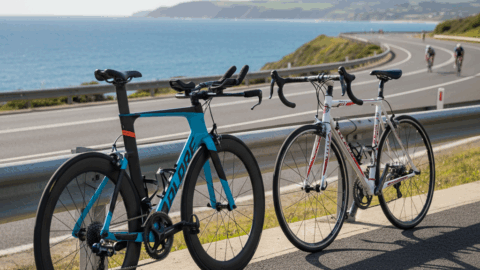
Your bike represents the largest equipment investment (typically $2,000-$10,000+) and the longest race segment. A 15-minute post-ride routine prevents 90% of mechanical issues.
After Every Ride (5-15 minutes)
- Wipe down the frame with a damp cloth to remove road grime, salt spray, and sweat (sweat is corrosive to aluminium and carbon)
- Check tyre pressure with a digital gauge. Road tyres: 80-100 PSI (varies by rider weight). Check manufacturer specs on the tyre sidewall
- Inspect tyres for cuts, embedded glass, or worn tread. Run your fingers along the surface to find debris you can’t see
- Dry the chain if you rode in wet conditions. A wet chain corrodes within 24 hours
Weekly (15-20 minutes)
- Clean and lubricate the chain using a bike-specific degreaser, then apply wet or dry lube depending on conditions. Wet lube for Melbourne’s winter, dry lube for summer. Wipe off excess with a clean rag
- Check brake pads for wear indicators. Most pads have a groove that disappears when replacement is needed
- Inspect brake cables for fraying, especially at the lever and caliper ends
- Test shifting through all gears on a stand. Adjust barrel adjusters if you hear clicking or hesitation
Monthly
- Deep clean the drivetrain (chain, cassette, chainrings, derailleurs) with degreaser and brushes
- Check wheel trueness by spinning each wheel and watching for wobble at the brake pads
- Inspect headset bearings by straddling the bike, applying the front brake, and rocking forward. Any clunking means the headset needs adjustment
- Check bolt torque on stem, seatpost, and handlebars (use a torque wrench for carbon components)
Annual Professional Service
Book a full service with a qualified bike mechanic at least once per year. Budget $150-$300 for a comprehensive tune-up that includes bearing inspection, cable replacement, brake bleed (hydraulic), and drivetrain wear measurement. At Tri Alliance, we recommend getting this done at the start of the triathlon season (September-October in Melbourne).
Wetsuit Care: Protecting Your $300-$800 Investment
Neoprene is durable but degrades rapidly when exposed to heat, UV, and chemical residue. The difference between a wetsuit that lasts 2 seasons and one that lasts 5 comes down to what you do in the 30 minutes after each swim.
Immediate Post-Swim Routine (5 minutes)
- Rinse thoroughly with fresh, cool water. Salt water and chlorine both break down neoprene bonding over time
- Gently squeeze out water — never wring or twist, which creates permanent creases and weakens seams
- Turn inside out and hang on a wide, padded hanger (wire hangers create pressure points that stretch the neoprene)
- Dry in shade only — UV radiation makes neoprene brittle within a single season of sun-drying
Monthly Deep Clean
Use wetsuit-specific shampoo (brands like Piss Off or Wetsuit Wash work well) to remove body oils, sunscreen residue, and bacteria. Regular soap can strip the neoprene’s water-repellent coating. Rinse thoroughly after washing — soap residue is as damaging as salt.
Storage Between Seasons
- Store hanging on a wide hanger in a cool, dark cupboard
- Never fold — creates permanent creases that crack over time
- If space is tight, roll loosely (don’t fold)
- Ensure completely dry before storing to prevent mould
- Check for tears or loose seams. Repair small tears immediately with neoprene cement ($15-$20 from any sports store)
Running Shoe Maintenance: Track Your Kilometres
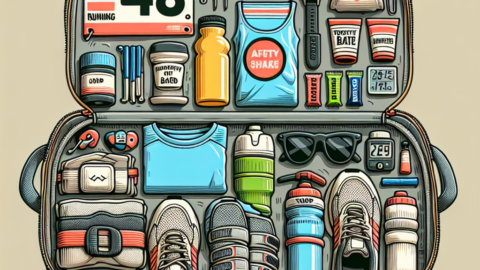
Running shoes are the only piece of equipment with a hard expiry: 500-800 kilometres, depending on the shoe construction, running surface, and your biomechanics. After that, the midsole foam is compressed and no longer provides adequate shock absorption. Continuing to run in worn shoes is the leading cause of overuse injuries in triathletes.
Extend Shoe Life With These Habits
- Rotate 2-3 pairs — alternating allows the EVA/PU foam to decompress between runs. This alone adds 30-40% more life to each pair
- Never use running shoes for anything else — walking, gym, or casual wear compresses the midsole without the running benefit
- Track mileage in Strava, Garmin Connect, or a simple spreadsheet. Most triathletes underestimate their shoe mileage by 20-30%
- Air dry only — never use a heater, clothes dryer, or direct sun. Heat warps the midsole and upper materials
Cleaning Running Shoes
- Remove insoles and laces
- Brush off dried mud with a soft brush
- Wash with mild soap and lukewarm water using a cloth
- Never machine wash — the agitation damages internal structure
- Stuff with newspaper to absorb moisture and air dry at room temperature
When to Replace
- Uneven sole wear — indicates biomechanical issues (consider gait analysis at Tri Alliance)
- Compressed midsole — press your thumb into the midsole. If it doesn’t spring back, it’s dead
- New aches or pains — knee, shin, or hip pain that wasn’t there before often signals worn shoes
- 500+ kilometres logged — even if they look fine, the cushioning is likely compromised
Swim Gear: Goggles, Cap, and Accessories
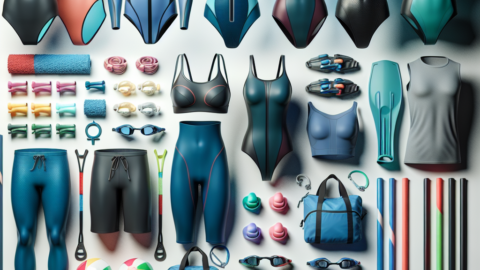
- Goggles: Rinse with fresh water after every swim. Never touch the inside lens (destroys anti-fog coating). Store in a hard case to prevent scratches. Replace every 6-12 months when the seal degrades
- Swim cap: Rinse after use, dry flat, and dust with talcum powder to prevent sticking. Silicone caps last longer than latex
- Pull buoy, paddles, fins: Rinse chlorine/salt off after each session. Store out of direct sunlight
Maintenance Schedule at a Glance
| Equipment | After Each Use | Weekly | Monthly | Annually |
|---|---|---|---|---|
| Bike | Wipe, check tyres | Clean/lube chain, check brakes | Deep clean drivetrain, check wheels | Professional service ($150-$300) |
| Wetsuit | Rinse, hang in shade | — | Deep clean with wetsuit shampoo | Full inspection for tears/seams |
| Running shoes | Air dry, brush mud | Check mileage tracking | Inspect soles and midsole | Replace at 500-800km |
| Goggles | Rinse, store in case | — | Check seal and strap | Replace |
Frequently Asked Questions
How often should I get my triathlon bike professionally serviced?
At minimum once per year, ideally at the start of race season (September-October in Melbourne). If you ride more than 200km per week or frequently train in wet conditions, consider a service every 6 months. Budget $150-$300 for a comprehensive tune-up.
Can I machine wash my wetsuit?
No. Machine washing damages neoprene seams and bonding. Hand wash only with wetsuit-specific shampoo and cool water. The agitation cycle in a washing machine can cause irreparable tears in the neoprene panels.
How do I know when my running shoes need replacing?
Track your mileage — most shoes are done between 500-800km. Physical signs include uneven sole wear, a midsole that doesn’t spring back when pressed, and new onset of knee, shin, or hip pain during or after runs.
What’s the best chain lubricant for Melbourne’s climate?
Use wet lube during the wetter months (May-September) as it resists wash-off. Switch to dry lube in summer (October-April) as it attracts less dust and grime. Popular options include Squirt (dry) and Finish Line Wet for their respective conditions.
How should I store my triathlon gear during the off-season?
Clean everything thoroughly before storage. Hang your wetsuit on a wide hanger in a dark, cool cupboard. Store your bike indoors with tyres slightly deflated (to about 60% of riding pressure). Keep running shoes in a dry, ventilated area with newspaper stuffed inside to absorb moisture.
Discover more from Tri Alliance Triathlon Community
Subscribe to get the latest posts sent to your email.