
The Training Tech Worth Buying — and What to Skip
Triathlon training generates more data than most athletes know what to do with. The gadgets worth investing in are the ones that change what you actually do — not just what you can see on a dashboard. Here’s what Tri Alliance coaches recommend for Melbourne triathletes based on what genuinely moves the needle.
GPS Multisport Watches: Your Most Useful Tool
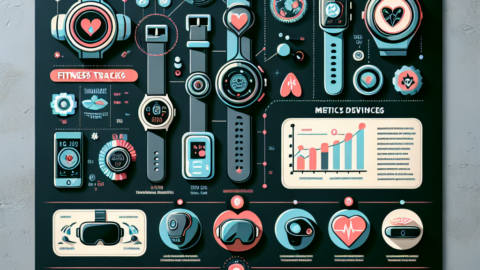
A quality GPS watch is the single highest-impact piece of training technology for triathletes. The Garmin Forerunner 965 (AU$999) and the COROS PACE 3 (AU$329) sit at opposite ends of the price spectrum but both deliver swim/bike/run tracking, heart rate monitoring, and structured workout support.
What to look for:
- Open-water swim tracking — wrist-based HR doesn’t work in water, but pace and stroke rate do
- Running power — more reliable than pace on hilly Melbourne courses like the You Yangs
- Recovery metrics — HRV-based readiness scores from Garmin and COROS correlate well with actual fatigue
- Triathlon mode — one-button transitions matter on race day
| Watch | Price (AUD) | Battery (GPS) | Best For |
|---|---|---|---|
| Garmin Forerunner 965 | $999 | 31 hrs | Full-distance racing, advanced metrics |
| COROS PACE 3 | $329 | 38 hrs | Budget-conscious triathletes, long training |
| Garmin Fenix 8 | $1,399 | 90 hrs | Ironman-distance athletes, maps |
| Apple Watch Ultra 2 | $1,299 | 36 hrs (low power) | Lifestyle + training, iOS integration |
Power Meters for Cycling: Train to Numbers, Not Feel
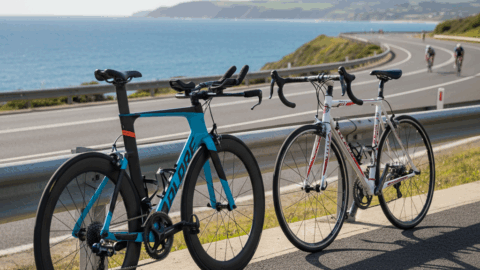
Cycling with power transforms how you pace long rides. A power meter tells you exactly how hard you’re working — unlike heart rate, it responds instantly to changes in effort. For Ironman athletes targeting a specific race pace on the Busselton or Cairns bike course, knowing your functional threshold power (FTP) is non-negotiable.
Entry-level options in Australia start at AU$350 for a single-sided pedal-based power meter (Favero Assioma Uno). Dual-sided pedals (Assioma Duo, ~AU$700) measure both legs, which matters if you have a significant imbalance. Crank-arm power meters like the 4iiii Precision (~AU$450) are the most affordable route for Shimano users.
If you’re doing Tri Alliance squad rides or coached cycling sessions, a power meter lets your coach prescribe precise interval targets rather than rough RPE estimates.
Heart Rate Monitors: Chest Strap vs. Wrist
Wrist-based optical HR is convenient but can be 10–15 bpm off during high-intensity intervals and is useless in the swim. A chest strap (Garmin HRM-Pro Plus, AU$149; Polar H10, AU$119) is more accurate and syncs HR data during all three disciplines.
The Garmin HRM-Pro Plus also stores run dynamics — cadence, vertical oscillation, ground contact time — which can help identify running economy issues without needing a full lab gait analysis.
Smart Trainers: Melbourne Winters Done Right
Melbourne’s June–August weather makes indoor cycling training practical rather than optional. A smart trainer connects to apps like Zwift or TrainerRoad and auto-adjusts resistance to match structured workouts.
The Wahoo KICKR Core (AU$899) and the Tacx Flux S (AU$799) handle everything up to professional-level training loads. For athletes following a Tri Alliance training plan, smart trainer sessions can replace outdoor rides during peak training weeks without sacrificing fitness gains.
Avoid wheel-on trainers if you’re serious about training — tyre wear, calibration drift, and inaccurate power data make them a poor investment beyond beginner use.
Recovery Technology Worth Considering
Recovery tools have a lower evidence base than performance trackers, but a few stand out:
- Compression boots (NormaTec, Rapid Reboot): Effective for flushing legs after long brick sessions. Hire before buying — available at some Melbourne physio clinics.
- Percussive massage guns (Theragun Prime, AU$399): Useful for calves and quads after bike-heavy training blocks. No substitute for a proper sports massage.
- Sleep trackers: WHOOP (subscription model) or Garmin Body Battery provide HRV-based recovery scores. Useful for high-volume training but don’t let the numbers override how you actually feel.
What to Skip
Save your money on:
- Smart scales with body composition metrics — bioelectrical impedance is highly inaccurate for athletes
- Lactate threshold earbuds — still experimental technology
- High-end nutrition tracking apps requiring manual entry — compliance drops after week two
Frequently Asked Questions
What’s the minimum tech setup for a first Ironman?
A GPS multisport watch with triathlon mode and a chest strap HR monitor covers 90% of what you need. Anything else is useful but not essential for a first race.
Do I need a power meter if I’m a beginner cyclist?
Not immediately. Learn to ride consistently first. A power meter becomes valuable once you can hold zone 2 for 3+ hours and want to improve FTP efficiently — typically after 6–12 months of consistent cycling.
Which GPS watch is best for triathletes in Australia?
The COROS PACE 3 at AU$329 is the best value option. For serious racers who want detailed metrics and maps, the Garmin Forerunner 965 at AU$999 is the benchmark.
Is Zwift worth it for Melbourne triathletes?
Yes, especially from May to August. Zwift’s structured workout library and group rides fill in for outdoor sessions when weather or daylight makes road riding impractical. The subscription costs AU$24.99/month.
How accurate is wrist-based heart rate during running?
Accurate enough for easy and moderate efforts — typically within 3–5 bpm. During intervals and sprint work, lag and motion artifacts can push error to 10–15 bpm. Use a chest strap for quality sessions.
Discover more from Tri Alliance Triathlon Community
Subscribe to get the latest posts sent to your email.