Swim Gear for Triathletes: What to Buy, What to Skip
Triathlon swimming differs from pool lap swimming in almost every way — colder water, no walls to push off, sighting landmarks instead of black lines, and the need to transition quickly onto a bike. Your gear choices should reflect those differences. Here’s what actually works for Melbourne triathletes training in Port Phillip Bay and racing open water events across Australia.
Wetsuits: The Biggest Performance Lever in the Swim
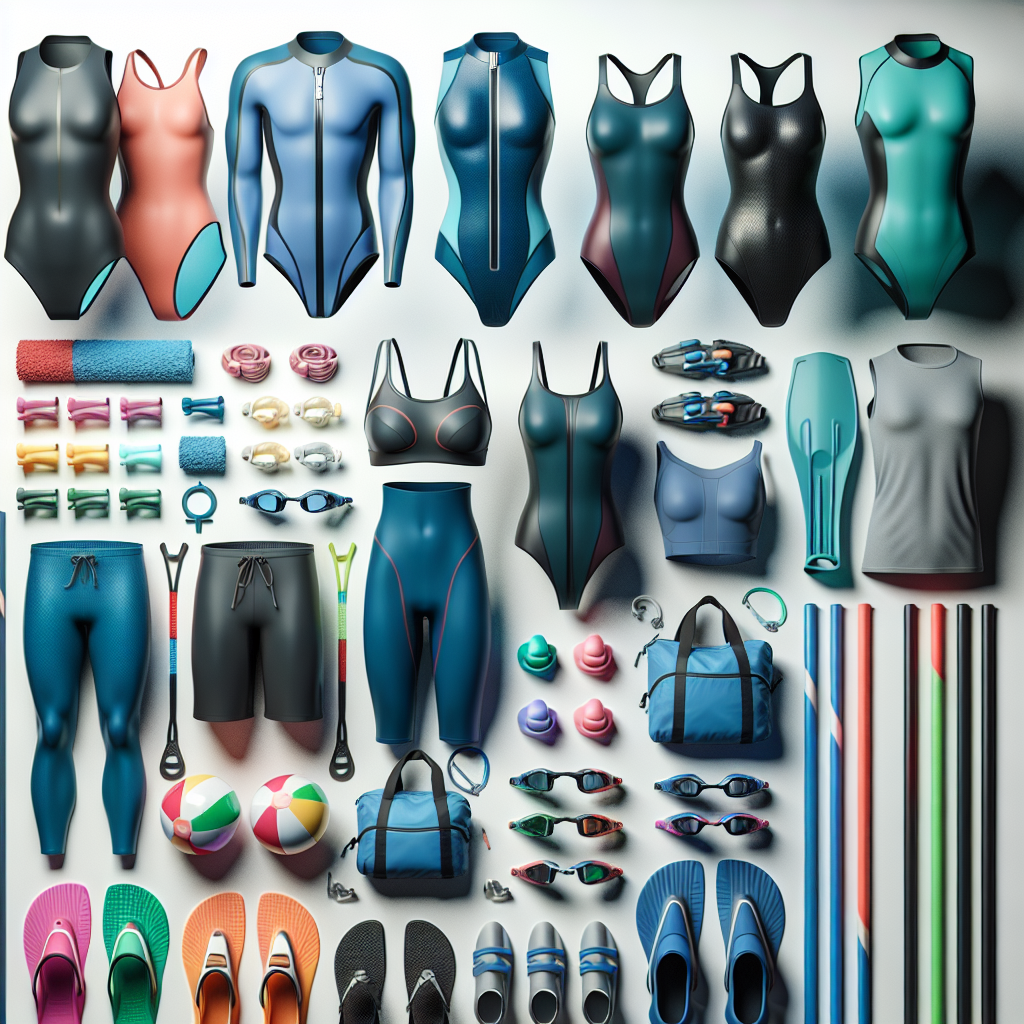
A good wetsuit does three things: keeps you warm, improves buoyancy, and reduces drag. In Australian racing, most events are wetsuit-legal below 24.6°C water temperature. Port Phillip Bay averages 13–14°C in winter and 19–20°C in summer — wetsuit territory for 9–10 months of the year.
Full Suit vs. Sleeveless
A full-sleeve suit provides more buoyancy and warmth. A sleeveless (farmer john) suit allows more shoulder flexibility and is better for strong swimmers in warmer water (20–24°C). Most Tri Alliance athletes use a full suit — the buoyancy benefit outweighs any restriction for the vast majority of swimmers.
Neoprene Thickness
Wetsuits use different thickness across the body. Typical configuration: 5mm on the torso and legs for buoyancy, 1.5–3mm on the arms and shoulders for flexibility. Thicker than 5mm restricts movement and won’t be approved for racing.
| Wetsuit | Price (AUD) | Best For | Key Feature |
|---|---|---|---|
| Orca Apex Float | $480 | Beginner/intermediate | High buoyancy panels |
| Zone3 Advance | $550 | Intermediate | Balance of warmth and flex |
| ROKA Maverick Pro II | $850 | Competitive | Ultra-stretch shoulders |
| Blueseventy Helix | $780 | Advanced | Body position optimisation |
Hire before you buy if you’re racing your first triathlon. Many Melbourne triathlon shops (TriZone, Bicycle Superstore) and Tri Alliance swim programs have wetsuit hire at AU$30–50 per race. This lets you find the right fit before committing AU$500+.
Wetsuit Fit: What Matters
A wetsuit must be snug, particularly around the neck and ankle cuffs. Water flushing through a loose neck seal reduces thermal protection and increases drag. You should feel restricted standing still but have full shoulder rotation in the water. If the suit pinches your neck after 5 minutes of swimming, size up.
Goggles: Clarity, Seal, and Lens Choice
Pool goggles don’t cut it for open water. You need a wider field of view for sighting and a tinted lens for glare from Port Phillip Bay in morning races.
Key Features
- Anti-fog coating: Essential — re-apply with anti-fog drops monthly or the coating degrades
- Lens tint: Smoke or mirrored for sunny conditions; clear or amber for overcast or indoor pools
- UV protection: Required for open-water racing in Australian conditions
- Adjustable nose bridge: Critical for fit — goggles that seal differ dramatically between face shapes
Recommended models: Speedo Biofuse (AU$60, comfortable for long swims), Roka R1 (AU$90, excellent optical clarity), Aquasphere Kayenne (AU$75, wide lens for open water). For racing, the TYR Special Ops 2.0 (AU$95) offers a large lens and polarised option.
Swim Caps
Race organisers provide silicone or latex caps for wave identification. Training in your own silicone cap (AU$10–20) reduces drag and keeps hair out of goggles. Neoprene caps (Zone3, ~AU$40) add significant warmth for winter open-water sessions at Brighton or Elwood Beach — water temperature below 16°C warrants the extra insulation.
Training Aids That Improve Technique
The right training aids accelerate technique development and are used in most Tri Alliance pool sessions:
- Pull buoy: Isolates arm pull, improves body position. Every triathlete should own one (AU$15–30).
- Kickboard: Leg-specific drills. Less critical for triathletes than competitive swimmers but useful for kick technique.
- Paddles: Increases resistance to build pull strength. Use only when your technique is solid — paddles amplify poor mechanics and cause shoulder injuries.
- Band (no kick): A loop of rubber around your ankles forces reliance on your pull. Harder than a pull buoy, better for race simulation.
- Fins: Short training fins (Finis Zoomers, AU$65) build ankle flexibility and leg power. Avoid long scuba fins.
Open Water Specifics for Melbourne
Training in Port Phillip Bay, Elwood canal, or Albert Park Lake adds specific challenges:
- Tow float / safety buoy: Required at many open-water swim venues. Provides visibility and emergency flotation (AU$30–60).
- Body glide or Vaseline: Apply to neck, underarms, and ankles before putting on a wetsuit to prevent chafing and aid removal in T1.
- Earplugs: Optional but reduce otitis externa (swimmer’s ear) risk for athletes swimming multiple days per week.
Frequently Asked Questions
What water temperature requires a wetsuit in triathlon racing?
Triathlon Australia and World Triathlon make wetsuits mandatory below 16°C and legal between 16–24.6°C. Above 24.6°C, wetsuits are typically banned due to overheating risk.
How do I remove a wetsuit quickly in T1?
Practice is the only answer. Unzip running out of the water, pull shoulders down to your waist, step out of the ankle cuffs. A small application of baby oil or Body Glide at the ankles reduces removal time significantly. Practise 5+ times before race day.
How long does a triathlon wetsuit last?
A quality wetsuit lasts 5–7 seasons with proper care: rinse in cold fresh water after every swim, dry in shade, never fold (hang or roll loosely). Neoprene degrades faster in direct sunlight and chlorinated water.
Do I need different goggles for pool and open water?
Ideally, yes. Open-water goggles have larger lenses for wider peripheral vision and are available with polarised or tinted lenses. Pool goggles can work in a pinch but you’ll notice the difference when sighting.
Where can I do open-water swim training in Melbourne?
Brighton Beach, Elwood Beach, and Albert Park Lake are the most commonly used spots. Tri Alliance run regular open-water swim sessions from Brighton with coach supervision — strongly recommended for athletes transitioning from pool to open water for the first time.
Discover more from Tri Alliance Triathlon Community
Subscribe to get the latest posts sent to your email.