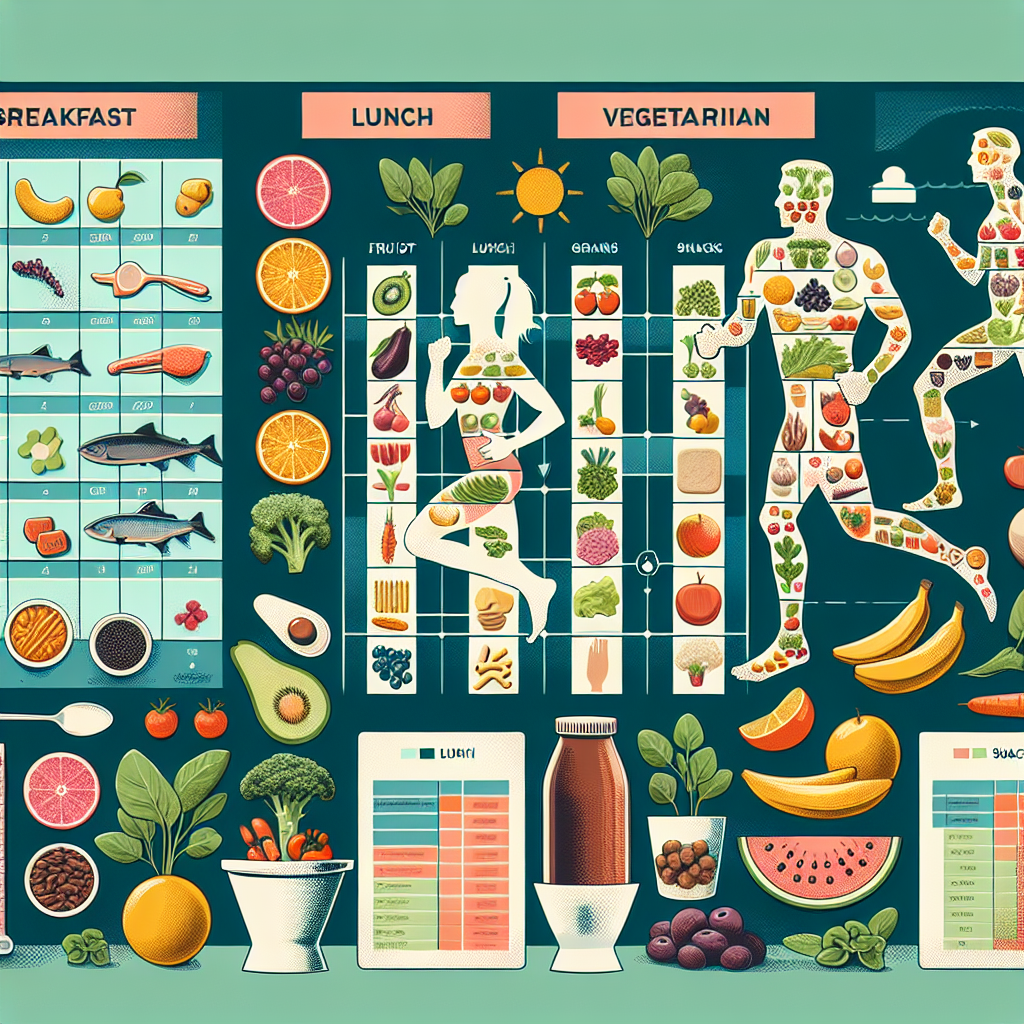
Vegan and Vegetarian Nutrition Plans for Triathletes
Plant-based diets can fully support the demands of triathlon training and racing — including Ironman — when planned with precision. The critical factor isn’t whether you eat meat; it’s whether you hit your macronutrient targets, cover key micronutrient gaps, and time your nutrition around training. This guide provides specific gram-level targets and practical meal plans for vegan and vegetarian triathletes.
Macronutrient Targets for Plant-Based Triathletes
| Macronutrient | Target (per kg body weight) | For a 65kg athlete | Key plant sources |
|---|---|---|---|
| Carbohydrates | 6–10g/kg (training days); 8–12g/kg (pre-race) | 390–650g/day | Rice, oats, pasta, potato, quinoa, fruit |
| Protein | 1.6–2.2g/kg | 104–143g/day | Tofu, tempeh, edamame, lentils, chickpeas, seitan |
| Fat | 1.0–1.5g/kg | 65–98g/day | Avocado, nuts, seeds, olive oil, nut butters |
The Plant-Based Protein Challenge — and How to Solve It
The primary concern for vegan triathletes is protein quality. Most plant proteins are “incomplete” — they lack one or more essential amino acids. The solution is strategic combining, not obsessive tracking at every meal.
Best Plant Protein Sources (per 100g cooked)
| Food | Protein (g) | Leucine (mg) | Complete protein? |
|---|---|---|---|
| Tofu (firm) | 17g | 1,310mg | Yes |
| Tempeh | 19g | 1,440mg | Yes |
| Edamame | 11g | 860mg | Yes |
| Seitan (wheat gluten) | 25g | 1,800mg | Low in lysine |
| Lentils (cooked) | 9g | 650mg | No (low methionine) |
| Chickpeas (cooked) | 8g | 620mg | No |
| Quinoa (cooked) | 4g | 280mg | Yes |
| Black beans (cooked) | 9g | 700mg | No (low methionine) |
Leucine is the key amino acid for muscle protein synthesis. Aim for 2,500–3,500mg leucine per meal post-workout. Tofu and tempeh are the most efficient plant sources — a 180g serve of firm tofu post-session delivers ~2,360mg leucine and 31g protein.
Critical Micronutrients for Plant-Based Triathletes
Iron
Non-haem iron (plant-based) is absorbed at 2–20% vs haem iron (meat) at 15–35%. This doesn’t make plant-based athletes iron deficient by default — it means absorption enhancement is critical.
Target: 32mg/day for plant-based athletes (compared to 18mg for omnivores) to account for lower absorption
Iron-rich plant foods:
- Lentils (cooked, 1 cup): 6.6mg iron
- Tofu (firm, 100g): 2.7mg
- Pumpkin seeds (30g): 2.5mg
- Fortified breakfast cereal (30g): 4–8mg
- Spinach (cooked, 1 cup): 6.4mg
Absorption rule: Pair every iron-rich meal with 75–200mg of vitamin C (one medium orange = 70mg, 1/2 red capsicum = 95mg). Avoid tea and coffee within 1 hour of iron-rich meals — tannins reduce absorption by up to 60%.
Vitamin B12
B12 is found almost exclusively in animal products. Deficiency in vegan athletes causes neurological dysfunction, fatigue, and anaemia — all devastating to training performance.
Target: 2.4mcg/day minimum. For vegans: supplement with 1,000mcg cyanocobalamin 3x/week or 250mcg/day — the larger dose compensates for passive absorption.
Fortified sources: Nutritional yeast (1 tbsp = 4mcg), plant milks (fortified, 250ml = 1mcg), Vegemite (4g = 1.4mcg)
Omega-3 Fatty Acids
ALA (found in flaxseeds, chia, walnuts) converts to EPA and DHA at only 5–10% efficiency. For anti-inflammatory support during heavy training blocks, this conversion is insufficient.
Solution: Algae-based EPA+DHA supplements (e.g., DEVA Vegan Omega-3 ~$30–40 AUD/month). Target 500–1,000mg EPA+DHA per day for training athletes.
Calcium
Target: 1,000–1,200mg/day
- Fortified soy milk (250ml): 300mg
- Tofu set with calcium sulphate (100g): 350mg
- Bok choy (cooked, 1 cup): 160mg
- Kale (cooked, 1 cup): 180mg
- Almonds (30g): 75mg
Vitamin D
Melbourne receives adequate UV for synthesis during summer (October–April), but training athletes in winter (May–September) should supplement with 2,000 IU vitamin D3 or vegan D3 (from lichen) daily.
Zinc
Important for immune function, protein synthesis, and testosterone. Plant-based zinc bioavailability is reduced by phytates. Soak or sprout legumes and grains before cooking to reduce phytate content by 50–75%.
Sources: Pumpkin seeds (30g): 2.2mg, Hemp seeds (30g): 3mg, Oats (100g dry): 3.6mg, Cashews (30g): 1.6mg
Sample Vegan Triathlete Meal Plan (Heavy Training Day)
| Meal | Foods | Carbs (g) | Protein (g) | Calories |
|---|---|---|---|---|
| Breakfast | 100g oats + 300ml soy milk + 1 banana + 2 tbsp almond butter + 1 tbsp chia seeds | 88g | 22g | 620 kcal |
| Post-morning session | Smoothie: 300ml soy milk + 1 banana + 30g plant protein powder + 30g oats | 62g | 30g | 480 kcal |
| Lunch | 200g cooked quinoa + 180g firm tofu (pan-fried) + roasted capsicum + tahini dressing | 65g | 35g | 550 kcal |
| Afternoon snack | 200g edamame + 2 rice cakes + 1 orange | 42g | 16g | 310 kcal |
| Dinner | 200g lentil dahl + 200g basmati rice + spinach + 1/2 red capsicum | 98g | 26g | 590 kcal |
| Evening snack | 200g soy yoghurt + 30g pumpkin seeds + 100g blueberries | 28g | 14g | 280 kcal |
| Daily total | 383g | 143g | 2,830 kcal |
Melbourne-Specific Product Recommendations
| Product | Purpose | Price (AUD) | Where to buy |
|---|---|---|---|
| Prana ON Power Plant Protein (1kg) | Post-training protein | $65–$70 | Chemist Warehouse, Mr Supplement |
| DEVA Vegan Omega-3 (90 caps) | EPA+DHA supplement | $35–$45 | iHerb, Vegan grocery stores |
| Melrose Nutritional Yeast (200g) | B12 + umami flavour | $12–$15 | Coles, Woolworths, health food stores |
| Sanitarium So Good Soy Milk (1L) | Fortified calcium + B12 | $2.50 | Coles, Woolworths |
| Nature’s Way Vitamin D3 Vegan (60 caps) | Winter vitamin D | $18–$22 | Chemist Warehouse, Priceline |
Race Day Nutrition for Vegan Triathletes
Good news: the best Ironman race-day nutrition is inherently vegan. Energy gels, sports drinks, bananas, dates, boiled potatoes, and cola (available at all Ironman aid stations) are all plant-based. No special modifications needed on race day — your gut training and daily nutrition are the work that matters.
Tri Alliance Victoria coaches work with plant-based athletes at all levels. Visit vic.tri-alliance.com.au for Melbourne’s most comprehensive triathlon coaching programs.
Frequently Asked Questions
Can a vegan triathlete build as much muscle as an omnivore?
Yes, with adequate leucine and total protein. Research published in Sports Medicine (2021) found no significant difference in muscle protein synthesis between vegan and omnivore athletes when protein intake was matched at 1.6g/kg/day. The key is hitting leucine targets (2,500–3,000mg per meal) — achievable with tofu, tempeh, or plant protein powder supplementation.
Do I need a plant protein powder as a vegan triathlete?
Not necessarily, but it makes hitting daily protein targets significantly easier. Whole food protein sources are always preferable, but a 30g serve of pea-rice blend protein after a 2-hour brick session is practical when cooking a full meal isn’t possible. Prana ON and Sun Warrior are the most widely available Australian vegan protein powders.
How do I know if I’m iron deficient as a vegan athlete?
Request a blood test from your GP that includes full blood count (FBC), serum ferritin, and serum iron. Ferritin below 30mcg/L in an endurance athlete suggests suboptimal iron stores even without overt anaemia. Don’t self-supplement with high-dose iron — excess iron is harmful. Test first, supplement accordingly.
Is a vegetarian (not fully vegan) diet easier to manage for triathletes?
Yes, meaningfully. Lacto-ovo vegetarians (who consume dairy and eggs) have easier access to complete proteins (eggs = 6g protein, complete amino acid profile), calcium (dairy), and B12 (eggs and dairy). The nutritional planning challenge for vegetarians is iron — follow the same iron enhancement strategies as vegans.
What should I eat before a long vegan Ironman training ride?
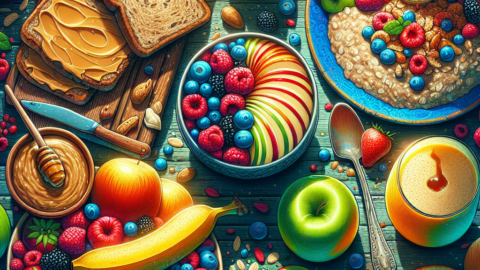
Standard pre-long-ride protocol: 150g oats cooked in water with 1 banana, 2 tbsp nut butter, and 2 tsp maple syrup. Approximately 85g carbohydrates, 15g protein, 430 calories. Consume 3 hours before the session. During the ride: 1 gel or 500ml sports drink per hour, banana at hour 2 and 4.
Discover more from Tri Alliance Triathlon Community
Subscribe to get the latest posts sent to your email.