-
Table of Contents
“Gear Up for Victory: Your Ultimate Race Day Bag Checklist”
Introduction
Packing Your Race Day Bag: A Comprehensive Checklist
Preparing for race day involves more than just training and mental preparation; it requires meticulous planning to ensure you have everything you need for a successful and stress-free experience. Whether you’re a seasoned marathoner or a first-time 5K participant, having a well-organized race day bag is essential. This comprehensive checklist will guide you through the must-have items to pack, from essential gear and nutrition to personal items and post-race necessities. By following this guide, you can focus on your performance and enjoy the excitement of race day, knowing you’re fully prepared for whatever the day brings.
Essential Gear For A Successful Race Day: Packing Your Bag Right
Preparing for race day involves more than just physical training; it requires meticulous planning and organization to ensure that you have everything you need for a successful experience. Packing your race day bag is a crucial step in this process, as it ensures that you are equipped with all the essential gear to tackle the event with confidence. To begin with, it is important to consider the weather conditions and the specific requirements of the race. This will help you determine the appropriate clothing and accessories to include in your bag. For instance, if the forecast predicts rain, a lightweight, waterproof jacket should be a priority. Conversely, if the weather is expected to be hot and sunny, a hat and sunscreen are indispensable.
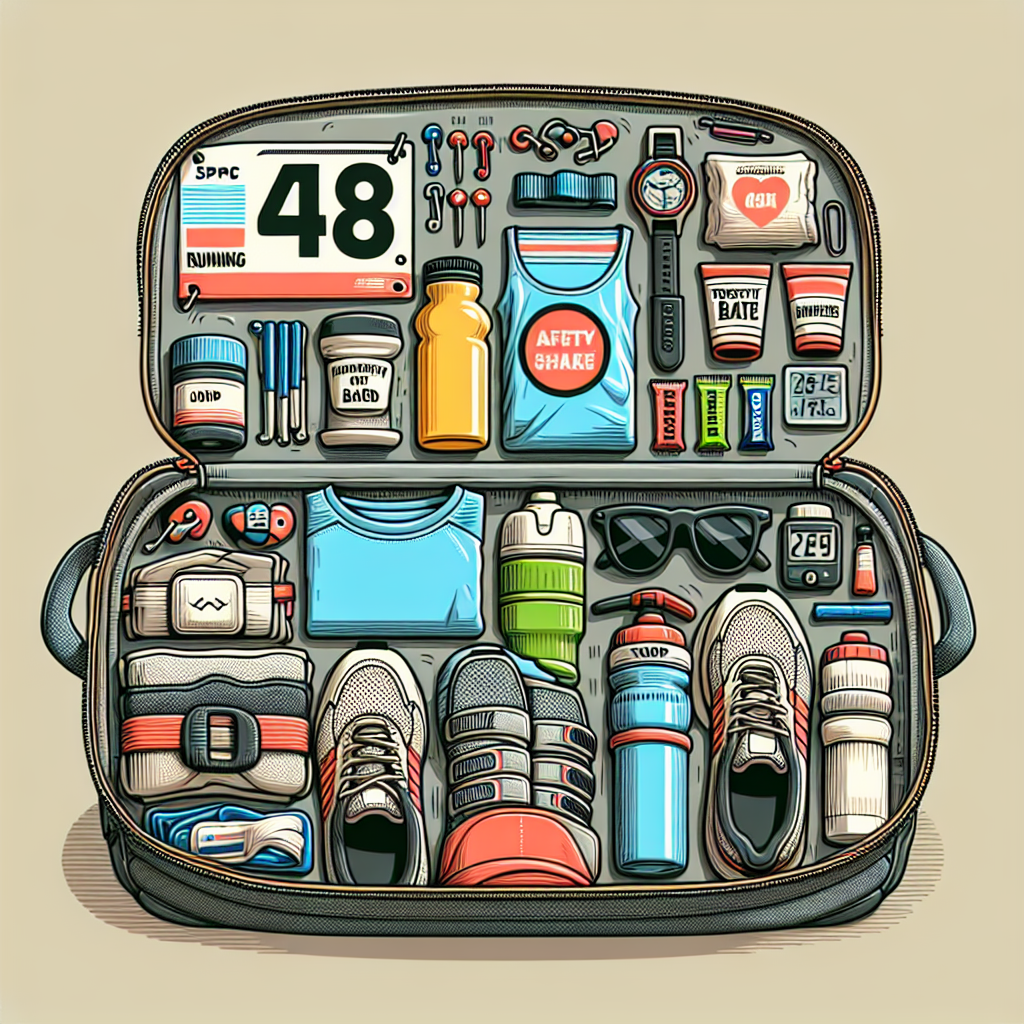
Transitioning to the core items, your race day bag should contain your race bib and timing chip, as these are fundamental to your participation. It is advisable to attach the bib to your clothing the night before to avoid any last-minute stress. Additionally, comfortable running shoes that you have trained in are essential to prevent blisters and discomfort during the race. Alongside these, moisture-wicking socks can help keep your feet dry and reduce the risk of chafing.
Moreover, hydration and nutrition are critical components of race day preparation. Packing a reusable water bottle or hydration pack will ensure you have access to fluids throughout the event. Energy gels or bars can provide a quick source of carbohydrates to maintain your energy levels, especially during longer races. It is important to test these nutritional items during training to ensure they agree with your digestive system.
Furthermore, personal identification and emergency contact information should be included in your race day bag. In the unlikely event of an emergency, having this information readily available can be invaluable. A small first aid kit with band-aids, blister pads, and pain relievers can also be beneficial for addressing minor injuries or discomforts that may arise.
In addition to these essentials, consider packing a change of clothes for after the race. This can include a fresh shirt, comfortable pants, and a pair of flip-flops or sandals. Changing into dry clothes post-race can significantly enhance your comfort and help prevent any post-race chills. A towel and wet wipes can also be useful for freshening up after the event.
As you finalize your race day bag, it is wise to create a checklist to ensure that nothing is overlooked. This checklist can serve as a valuable tool to verify that all necessary items are packed and ready to go. It is also beneficial to pack your bag the night before the race to avoid any morning rush or anxiety.
In conclusion, packing your race day bag with the right gear is an essential part of race preparation. By considering the weather, including core items such as your race bib and shoes, and planning for hydration and nutrition, you can set yourself up for a successful race day. Remembering personal identification, a first aid kit, and a change of clothes will further enhance your experience. With careful planning and organization, you can approach race day with confidence, knowing that you are fully prepared for whatever challenges may arise.
Must-Have Nutrition And Hydration Items For Your Race Day Bag

When preparing for a race, whether it’s a marathon, triathlon, or a local 5K, ensuring that your race day bag is packed with essential nutrition and hydration items is crucial for optimal performance and comfort. Proper nutrition and hydration can significantly impact your energy levels, endurance, and overall race experience. Therefore, it is imperative to carefully consider what you include in your race day bag to avoid any last-minute mishaps or deficiencies.
To begin with, hydration is a fundamental aspect of any race preparation. It is advisable to pack a reusable water bottle or hydration pack that you can easily carry or access during the race. Staying hydrated is essential for maintaining energy levels and preventing dehydration, which can lead to fatigue and decreased performance. In addition to water, consider including electrolyte drinks or tablets. These are particularly beneficial for longer races, as they help replenish the salts and minerals lost through sweat, thereby preventing cramps and maintaining muscle function.
Transitioning to nutrition, energy gels and chews are popular choices among athletes for their convenience and effectiveness. These compact, easy-to-consume products provide a quick source of carbohydrates, which are vital for sustaining energy levels during the race. It is important to test these products during training to ensure they agree with your digestive system and provide the desired energy boost. Alongside gels and chews, energy bars can serve as a more substantial snack, offering a balance of carbohydrates, proteins, and fats. They are particularly useful for longer races where a more significant energy intake is necessary.
Furthermore, some athletes prefer natural food options, such as bananas or dried fruits, which can also be included in your race day bag. These options provide a natural source of sugars and nutrients, offering an alternative to processed energy products. However, it is crucial to ensure that any food items you choose are easy to digest and do not cause any gastrointestinal discomfort during the race.
In addition to these primary nutrition and hydration items, consider packing a few supplementary items that can enhance your race day experience. Salt tablets, for instance, can be beneficial in hot and humid conditions where excessive sweating may lead to a significant loss of sodium. Similarly, caffeine supplements or caffeinated gels can provide an extra energy boost, particularly during the latter stages of a race when fatigue sets in. However, it is essential to use these supplements judiciously and in accordance with your tolerance levels.
Moreover, it is wise to include a small first-aid kit with essentials such as band-aids, blister pads, and pain relievers. While not directly related to nutrition or hydration, these items can address minor injuries or discomforts that may arise during the race, allowing you to focus on your performance.
In conclusion, packing your race day bag with the right nutrition and hydration items is a critical component of race preparation. By carefully selecting and testing these items during training, you can ensure that you are well-equipped to meet the physical demands of the race. Remember, the goal is to maintain energy levels, prevent dehydration, and address any potential issues that may arise, thereby enhancing your overall race experience and performance.
Clothing And Accessories Checklist For A Stress-Free Race Day
Preparing for a race day involves meticulous planning, and ensuring that your clothing and accessories are in order is crucial for a stress-free experience. As you embark on this journey, it is essential to consider every detail, starting with the clothing you will wear. Selecting the right attire can significantly impact your performance and comfort. Begin with moisture-wicking fabrics that help regulate body temperature and keep you dry. These materials are particularly beneficial in preventing chafing and irritation, which can be detrimental during a long race. Additionally, consider the weather conditions on race day. Layering is a practical approach, allowing you to adjust to temperature changes. A lightweight, breathable jacket can be invaluable in cooler climates, while a hat or visor can provide shade and protection from the sun.
Transitioning to footwear, the importance of choosing the right pair of running shoes cannot be overstated. Your shoes should be well-fitted, broken in, and suitable for the terrain of the race. It is advisable to avoid wearing brand-new shoes on race day, as they may cause discomfort or blisters. Complement your footwear with moisture-wicking socks to further enhance comfort and prevent blisters. Compression socks or sleeves are also worth considering, as they can improve circulation and reduce muscle fatigue.
As you continue to pack, do not overlook the significance of accessories that can enhance your race day experience. A reliable sports watch or fitness tracker can help you monitor your pace and time, providing valuable insights into your performance. For those who enjoy listening to music or podcasts while running, wireless earbuds can be a great addition, offering motivation and distraction without the hassle of tangled wires. However, ensure that they are fully charged and securely fitted to avoid any disruptions during the race.
Furthermore, safety and convenience should be at the forefront of your planning. A race belt or armband can be an efficient way to carry essentials such as identification, cash, and keys. Many runners also opt for a hydration belt or handheld water bottle to stay hydrated throughout the race. If the event provides hydration stations, familiarize yourself with their locations to plan your hydration strategy effectively.
In addition to these essentials, consider packing a small first aid kit with items like band-aids, blister pads, and pain relievers. These can be lifesavers in addressing minor injuries or discomforts that may arise. Sunscreen is another critical item, as prolonged exposure to the sun can lead to sunburn, even on cloudy days. Apply it generously before the race and carry a small tube for reapplication if necessary.
Finally, as you complete your checklist, take a moment to review your race day plan. Ensure that you have all necessary documentation, such as race bibs and timing chips, readily accessible. Organizing your gear the night before can alleviate stress and allow you to focus on the race itself. By meticulously preparing your clothing and accessories, you set the stage for a successful and enjoyable race day. With everything in place, you can approach the starting line with confidence, knowing that you are well-equipped to tackle the challenges ahead.
Q&A
- What essentials should be included in a race day bag?
- Running shoes, race bib, timing chip, comfortable race outfit, water bottle, energy gels or snacks, sunscreen, hat or visor, sunglasses, and a change of clothes for after the race.
- How can you prepare for unexpected weather changes on race day?
- Pack a lightweight rain jacket or poncho, extra layers for warmth, a hat or headband for cold weather, and a towel or dry clothes in case of rain.
- What personal items are important to remember for race day?
- Identification, cash or credit card, phone and charger, any necessary medications, safety pins for the race bib, and a small first aid kit.
Conclusion
Packing your race day bag is a crucial step in ensuring a successful and stress-free race experience. A comprehensive checklist helps you organize and remember all essential items, from race bibs and timing chips to hydration and nutrition supplies. It also includes weather-appropriate clothing, personal identification, and any necessary medical supplies. By preparing your bag in advance and double-checking the checklist, you can focus on your performance and enjoy the event, knowing you have everything you need for a smooth race day.
Discover more from Tri Alliance Triathlon Community
Subscribe to get the latest posts sent to your email.