
‘
Why Post-Workout Nutrition Is as Important as the Session Itself
Every Melbourne triathlete knows the feeling after a three-hour Sunday ride along Beach Road — legs empty, muscles burning, body crying out for something. What you eat in the hours after a long workout is not optional; it is a training variable as important as your intervals or your long run pace.
Post-workout nutrition serves three overlapping purposes: replenish glycogen stores depleted by exercise, repair muscle fibres damaged by training stress, and restore fluid and electrolyte balance. Get all three right and you’ll train better tomorrow. Neglect them and you’ll carry fatigue, soreness, and suppressed immunity into your next session.
The Recovery Window: Timing Matters
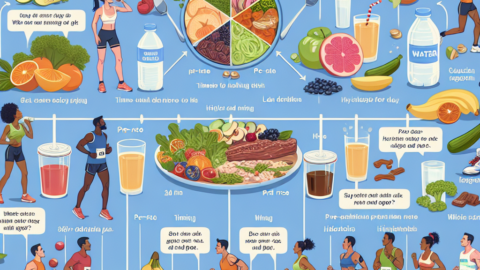
The 30–60 minutes immediately post-exercise is the period of highest metabolic receptivity. Muscle cells are primed to absorb glucose and amino acids, insulin sensitivity is elevated, and glycogen synthase — the enzyme that restores glycogen — is maximally active.
Waiting two hours before eating delays recovery without any benefit. If you’ve completed a session lasting more than 60–90 minutes at moderate or higher intensity, your first recovery nutrition should arrive within 30 minutes of finishing.
Best Foods for Glycogen Replenishment
Carbohydrates restore the glycogen burned during training. For a 75 kg triathlete, target 1.0–1.5 g of carbohydrate per kilogram of body weight in the first hour post-exercise — approximately 75–112 g of carbs. Spread a second equal serving across the following 2–4 hours.
High-Carbohydrate Recovery Foods
| Food | Serving | Carbohydrates | Notes |
|---|---|---|---|
| White rice | 200 g cooked | 58 g | Fast-digesting, easy on gut |
| Banana | 1 large | 27 g | Potassium bonus for electrolytes |
| Sweet potato | 200 g baked | 40 g | Beta-carotene antioxidants |
| Oatmeal | 80 g dry | 55 g | Good for breakfast recovery meals |
| Fruit smoothie | 500 ml | 50–70 g | Combines carbs, fluid, antioxidants |
| Chocolate milk | 500 ml | 50 g | Natural carb/protein combination |
Protein-Packed Foods for Muscle Repair
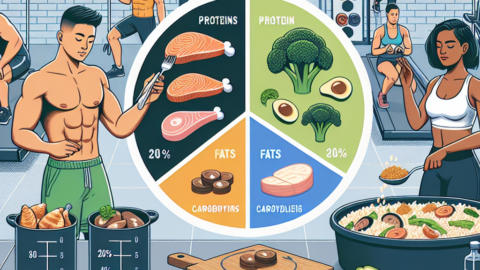
Protein provides the amino acids needed to repair and rebuild muscle tissue damaged during training. The optimal post-workout protein serve is 25–40 grams of high-quality complete protein, consumed alongside carbohydrates.
The most effective post-workout macro ratio is 3:1 to 4:1 carbohydrate to protein by weight — for example, 90 g carbs + 25 g protein.
Top Protein Sources for Recovery
- Chicken breast (150 g cooked): 45 g protein, 3 g fat — lean, complete amino acid profile
- Salmon fillet (150 g): 35 g protein + 5–7 g omega-3 fatty acids — dual recovery and anti-inflammatory benefit
- Greek yogurt (200 g): 18–20 g protein, fast-absorbing whey + slower casein blend
- Eggs (3 large): 18 g protein — highest biological value protein food, all essential amino acids
- Tuna (185 g can): 35–40 g protein, minimal fat — convenient, shelf stable
- Lentils (200 g cooked): 18 g protein + 40 g carbs — excellent plant-based dual-macro option
- Whey protein (30 g serve): 20–25 g protein — fast absorption makes it ideal within the 30-minute window
Nutrient-Dense Smoothies: The Ultimate Post-Workout Recovery Drink
Smoothies hit the sweet spot of speed, convenience, and nutritional density. After a hard session, your appetite may be suppressed — a smoothie delivers recovery nutrients even when solid food feels unappealing.
Recovery Smoothie Formula
- Protein base: 200 g Greek yogurt (18 g protein) or 30 g whey protein (22 g protein)
- Carbohydrate source: 1 banana (27 g carbs) + 1 cup frozen berries (15–20 g carbs)
- Healthy fat: ½ avocado (9 g fat) or 1 tbsp almond butter (8 g fat)
- Hydration base: 300 ml coconut water (natural electrolytes) or milk (calcium + protein)
- Optional boosters: 1 tsp turmeric (anti-inflammatory), 1 tsp chia seeds (omega-3), handful spinach (iron + magnesium)
Total nutrients: approximately 65–85 g carbohydrates, 25–35 g protein, 10–15 g fat, 400–500 kcal.
Hydration and Electrolyte Replenishment
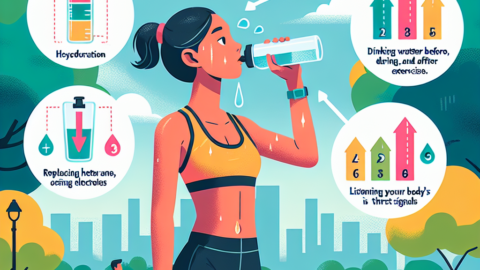
After a long Melbourne summer ride or run, fluid losses can be substantial — 1–2 litres per hour in hot conditions. Rehydration is not a passive process; it requires intent.
Rehydration Protocol
- Weigh yourself before and after long sessions to estimate sweat loss
- Replace 150% of fluid lost over the 2–4 hours post-exercise (1 kg weight loss ≈ 1 litre fluid deficit)
- Include sodium in your rehydration fluid to promote retention — plain water alone is excreted rapidly
- Options: sports drink, oral rehydration solution, or water with a pinch of salt alongside food
Electrolyte-Rich Recovery Foods
Bananas and coconut water (potassium), leafy greens like spinach and kale (magnesium), dairy products (calcium), and any salted food (sodium). A post-ride meal of grilled salmon with a large spinach salad, quinoa, and coconut water covers nearly all electrolyte needs naturally.
Anti-Inflammatory Foods to Reduce Soreness
Long training sessions generate oxidative stress and inflammation. While some inflammation is part of the adaptation process, chronic or excessive inflammation impairs recovery and increases injury risk. Several foods have demonstrable anti-inflammatory effects:
- Fatty fish (salmon, sardines, mackerel): EPA and DHA omega-3s reduce pro-inflammatory cytokines
- Berries (blueberries, cherries, pomegranate): Polyphenols reduce exercise-induced oxidative stress; tart cherry juice has specific evidence for DOMS reduction
- Turmeric + black pepper: Curcumin is a potent anti-inflammatory; absorption increases 2,000% with piperine (black pepper)
- Ginger: Gingerols inhibit inflammatory enzymes; effective for reducing muscle soreness when consumed regularly
- Green tea: EGCG catechins reduce oxidative damage from training
Frequently Asked Questions
Is chocolate milk really a good recovery drink?
Yes — the science genuinely supports it. Chocolate milk provides approximately 50 g carbs and 17 g protein per 500 ml in a naturally occurring 3:1 ratio, along with sodium, calcium, potassium, and fluid. Multiple peer-reviewed studies show it equals or outperforms commercial recovery drinks. It is also cheap, widely available, and palatable after a long session. It is not suitable for lactose-intolerant athletes, but for most triathletes it is an excellent option.
How long after a workout should I eat a full meal?
Consume your first recovery nutrition (snack or smoothie) within 30 minutes of finishing. Follow with a full balanced meal 1.5–2 hours later. This two-stage approach ensures the immediate recovery window is not missed while still allowing for a proper meal that covers your full nutrient needs — vegetables, lean protein, complex carbs, and healthy fats.
Should I eat differently after strength sessions versus cardio sessions?
Yes. After strength/resistance sessions, prioritise protein intake (30–40 g) with moderate carbohydrates to support muscle protein synthesis and hypertrophy. After long aerobic sessions, the priority shifts to carbohydrate replenishment with supporting protein. For combination sessions (a standard triathlon training day), apply the 3:1–4:1 carb-to-protein principle and ensure you’re hitting both targets rather than favouring one.
What if I train twice a day?
Double-session athletes need to treat every post-session recovery window seriously — there is insufficient time between sessions to delay nutrition. Consume carbohydrates and protein immediately after the first session (within 15–30 minutes), have a structured meal before the second session, and recover properly after the final session of the day. Failing to fuel quickly between sessions accelerates cumulative fatigue and reduces adaptation from training.
Discover more from Tri Alliance Triathlon Community
Subscribe to get the latest posts sent to your email.