
Visualization Techniques to Enhance Triathlon Performance
Before elite triathletes touch the water at race start, many have already swum, ridden, and run the course dozens of times — in their minds. Visualization, or mental imagery, is the deliberate practice of rehearsing athletic performance in vivid, detailed mental simulation. It is not positive thinking. It is a structured mental skill with a significant body of evidence behind it, and it is accessible to every triathlete regardless of experience level.
For Melbourne triathletes preparing at Albert Park, The Tan, and Beach Road, the local training environment provides an ideal backdrop for specific, location-grounded visualization practice. This guide explains how it works, why it works, and exactly how to implement it in your preparation.
How Visualization Works: The Neuroscience
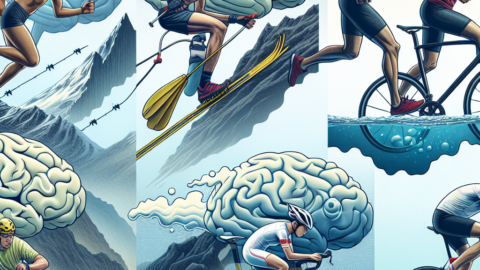
Functional MRI research shows that when athletes vividly imagine performing a movement, the same neural pathways activate as when they actually perform it — just with reduced intensity. This is not metaphorical. The motor cortex fires. The cerebellum coordinates. The emotional centres respond to imagined pressure as if the situation were real.
The practical implication: mental rehearsal builds neural efficiency. An athlete who has visualised running the last kilometre of a triathlon run leg under fatigue, maintaining form, has partially rehearsed that experience neurologically. On race day, that neural pathway is more established. The movement pattern is more automatic. The response to the physiological and psychological demands is more practiced.
Elite swimmers routinely report that their best races feel like replays of their visualizations. This is not coincidence — it is the result of deliberate mental preparation.
The Two Types of Visualization: Internal and External
Internal (First-Person) Visualization
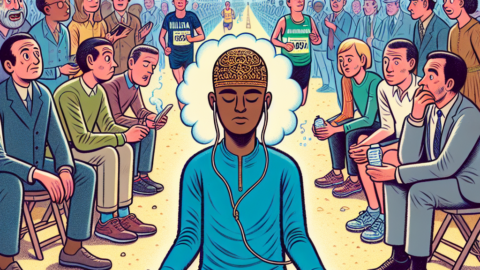
You see the race from behind your own eyes. You feel the water temperature as you enter Port Phillip Bay. You feel your feet on the pedals as you exit transition. You hear your breathing pattern on the run. This is the more powerful form for skill execution and race-specific preparation — it rehearses the actual sensory experience of competition.
External (Third-Person) Visualization
You watch yourself perform, as if watching race-day footage. This is useful for technical correction — identifying flaws in your stroke, your aero position, your running form — and for building overall confidence. Many athletes find it easier to begin with external visualization and move to internal imagery as the practice develops.
Research suggests that combining both types is more effective than either alone. Practise external imagery to build technical confidence, then shift to internal imagery to rehearse the sensory reality of competition.
Building Your Visualization Practice: A Step-by-Step Approach
Step 1: Start With a Relaxed State
Visualization is most effective when performed in a calm, focused state. Begin each session with 2-3 minutes of slow diaphragmatic breathing — this activates the parasympathetic nervous system and reduces the mental noise that disrupts imagery quality. Seat yourself comfortably in a quiet space and close your eyes.
Step 2: Build Sensory Detail
Generic imagery (“I see myself racing well”) is far less effective than specific, multi-sensory imagery. Include:
- Visual — the colour of the water at Albert Park, the road surface on Beach Road, the spectator colours at the finish chute
- Auditory — the sound of your breathing, water splashing, other athletes around you
- Kinaesthetic — the feel of your wetsuit, the pressure on your pedals at race effort, the cadence of your run stride
- Proprioceptive — your body position in the water, your posture on the bike, your arm drive on the run
Step 3: Rehearse Process, Not Just Outcome
Novice visualizers tend to picture themselves crossing the finish line. Elite athletes spend more time rehearsing the process — the swim stroke in choppy conditions, the T1 routine, the first 5 minutes on the bike before the legs settle. Outcome imagery builds confidence. Process imagery builds execution.
Step 4: Include the Hard Parts
This is where most visualization practice falls short. Real races include dark patches — the moment at kilometre 18 of the run where everything in your body says slow down. Visualise these moments deliberately. See yourself hitting that point. Feel the urge to slow. Watch yourself apply your coping strategy — the process cue, the self-talk script, the breath reset — and continue. This is called “coping imagery” and it is one of the most powerful preparation tools available.
Step 5: Rehearse Transitions and Logistics
Mental errors in transitions are common and entirely preventable. Visualise your T1 routine in detail: rack position, wetsuit removal, helmet, glasses, shoes, mount line. Rehearse T2: dismount, rack, shoes, race belt, run out. Practise this visualization until the sequence is automatic. On race morning, transitions should feel like a routine you’ve run a hundred times — because mentally, you have.
Melbourne-Specific Visualization Scenarios
| Scenario | Key Sensory Details to Include | Mental Skill Practised |
|---|---|---|
| Race start in Port Phillip Bay | Water temperature, chop, swimmer contact, breathing rhythm | Composure, sighting, controlled breathing under pressure |
| Exiting T1 onto the bike course | Legs heavy from swim, first pedal strokes, heart rate high | Patience, cadence control, not going too hard in the first 5km |
| Headwind section on Beach Road | Wind resistance, maintained power output, head position | Pacing discipline, self-talk, sustained effort |
| Kilometre 15 of the run | Heavy legs, reduced pace, the urge to walk | Coping imagery, self-talk activation, form focus |
| Final 400m to the finish | Crowd sound, final effort, form under extreme fatigue | Confidence, race-ending execution |
Integrating Visualization into Your Training Week
Visualization does not require long blocks of time. A 10-15 minute session three to four times per week produces measurable results. The most effective integration points are:
- Before sleep — the mind is naturally more receptive to imagery in a relaxed pre-sleep state
- Before key training sessions — a 5-minute targeted visualization before a hard interval session or open water swim improves execution quality
- During taper week — when training volume drops, visualization maintains mental sharpness and race-specific focus
- Race morning — a 15-minute full race walk-through in the hours before the start is one of the highest-value mental preparation tools available
Tri Alliance Victoria coaches incorporate mental preparation strategies — including structured visualization protocols — into their coached programs. Visit vic.tri-alliance.com/coaching to explore Melbourne-based triathlon coaching options.
Frequently Asked Questions
I struggle to visualize clearly — is the technique still useful for me?
Yes. Visualization ability varies between individuals and improves with practice. Athletes who report weak visual imagery often respond better to kinaesthetic imagery (focusing on feel rather than pictures). Start with what you can sense most clearly — for many athletes this is the physical sensation of movement — and build in additional senses over time. Consistent practice over 4-6 weeks typically improves imagery vividness significantly.
Should I visualize a perfect race or include things going wrong?
Both. Mastery imagery (everything going perfectly) builds confidence and establishes the neural template for optimal performance. Coping imagery (things going wrong and you handling them well) builds resilience and prepares you for the inevitable imperfections of a real race. Research suggests that pure mastery imagery without coping imagery leaves athletes poorly equipped for adversity. Aim for roughly 70% mastery, 30% coping imagery in your practice.
How specific do my visualizations need to be?
More specific is more effective. If you’re racing at Albert Park, mentally walk through that exact course — the specific turn into T1, the exact point where the headwind typically hits on the bike, the section of the run where the fatigue is greatest. Generic imagery (“a triathlon swim”) is far less effective than course-specific imagery.
Can visualization replace physical training?
No. Visualization is a supplement to physical training, not a substitute for it. It is most effective when the physical fitness to execute what you are visualizing is already in place. For skill acquisition, visualization combined with physical practice produces better results than either alone. For race preparation and mental rehearsal, visualization fills the gap that physical training cannot — you cannot physically race your target event 50 times in the build-up, but you can mentally rehearse it that many times.
How soon before a race should I start race-specific visualization?
Race-specific visualization can begin as soon as you have registered for an event and have a basic understanding of the course. More frequent and detailed race-specific visualization in the final 4-6 weeks before the event produces the best results. In taper week, a full-race walk-through visualization daily is appropriate and beneficial.
Discover more from Tri Alliance Triathlon Community
Subscribe to get the latest posts sent to your email.