Sleep as the Ultimate Recovery Tool for Athletes
Athletes optimise nutrition to the gram and training load to the minute — yet sleep, which accounts for more physiological adaptation than any single session, is routinely deprioritised. For Melbourne triathletes and endurance runners, correcting this is often the single highest-leverage change available. Tri Alliance Victoria coaches now incorporate sleep metrics directly into athlete monitoring alongside HRV and training load.
This guide outlines the science, the specific sleep requirements for endurance athletes, and practical strategies to optimise every hour of recovery.
The Physiology: What Happens During Athlete Sleep
Sleep Stage Architecture and Athletic Adaptation
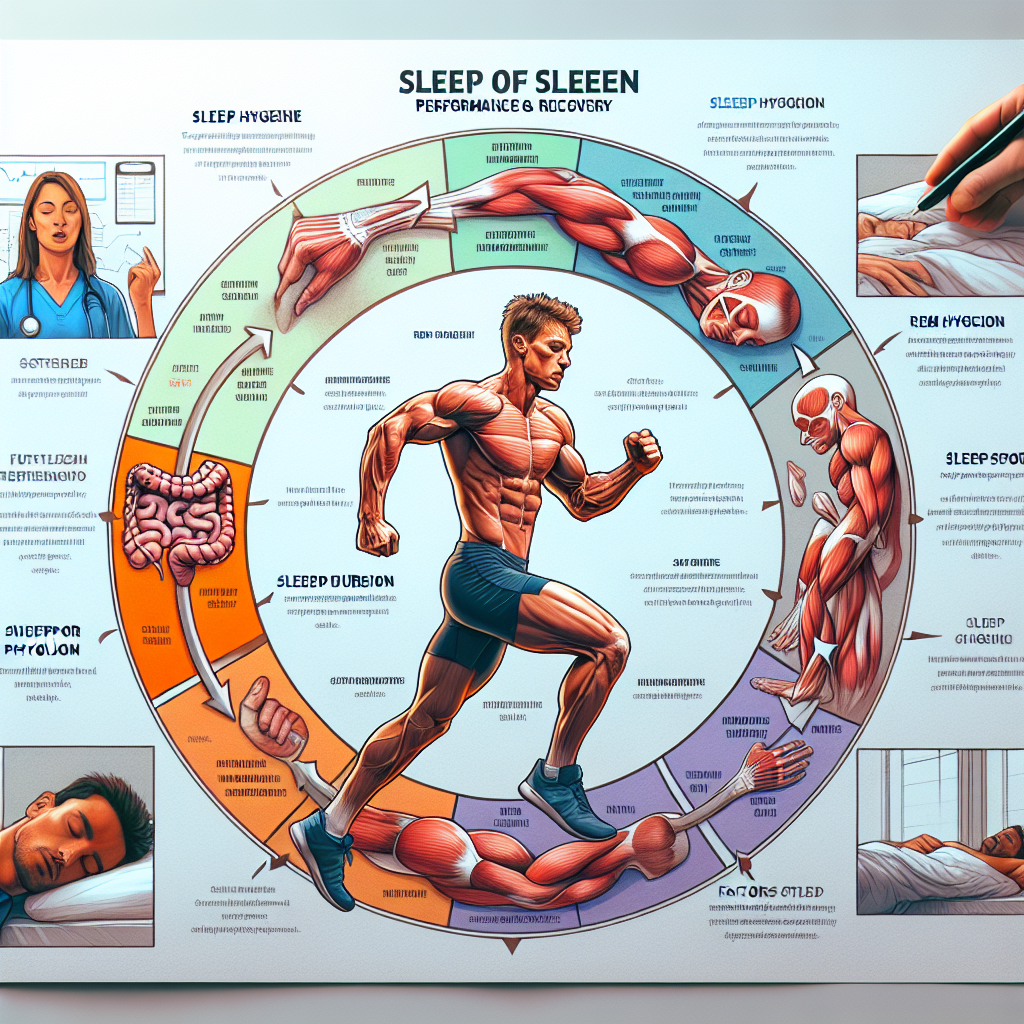
Sleep cycles approximately every 90 minutes through distinct stages, each serving different recovery functions:
| Sleep Stage | Duration Per Night | Primary Athletic Function | What Disrupts It |
|---|---|---|---|
| N1 (Light) | 5–10% of total | Transition, minimal recovery | Noise, light |
| N2 (Intermediate) | 45–55% of total | Motor learning, skill consolidation | Caffeine after 2pm |
| N3 (Slow-Wave/Deep) | 15–25% of total | Growth hormone release, muscle repair, glycogen restoration | Alcohol, heat, late training |
| REM | 20–25% of total | Emotional processing, cognitive consolidation | Alcohol, stress, inconsistent sleep times |
The most performance-critical stage is Slow-Wave Sleep (SWS/N3). During SWS, the pituitary gland releases 70–80% of daily growth hormone — the primary driver of muscle protein synthesis and connective tissue repair. A session that tears muscle fibres on Monday afternoon requires Tuesday night’s SWS to complete the repair process.
How Much Sleep Do Endurance Athletes Need?
The general population recommendation of 7–9 hours is insufficient for athletes in heavy training blocks. Current evidence for endurance athletes:
- Base training phase: Minimum 8 hours; ideal 8.5–9 hours
- Build/peak phase (15+ hours training/week): 9–10 hours; consider strategic napping
- Taper phase: 8–9 hours; sleep extension (adding 30–60 min) in final 2 weeks improves race-day reaction time and mood
- Post-race recovery week: 9–10 hours; immune function suppression after long events requires extended sleep to restore
Stanford University research on basketball players found that sleep extension (averaging 8.5 hours vs. their habitual 6.7 hours) over 5–7 weeks improved sprint times by 5% and free-throw accuracy by 9%. The same principle applies to triathlon performance metrics.
Warning Signs of Sleep Debt in Athletes
Athletes in training blocks frequently accumulate sleep debt without recognising it. Specific thresholds to watch:
- HRV drop: If morning HRV is more than 15% below your 7-day baseline for 3+ consecutive days, prioritise sleep over additional training
- Resting HR elevation: Resting HR 5–7bpm above your 30-day average without illness = likely sleep debt or overtraining
- Performance degradation: Swim pace dropping >5 seconds per 100m, power output falling >10W at equivalent RPE — sleep debt before adjusting training load
- Mood markers: Persistent irritability, disproportionate emotional responses, difficulty finding motivation to begin sessions
Sleep Optimisation Strategies: A Melbourne Athlete’s Framework
Environment
- Temperature: 16–19°C is optimal for SWS. Melbourne summer nights often exceed this — a fan or cooling mattress pad preserves sleep quality during hot spells
- Darkness: Complete blackout for first 4 hours when SWS is most concentrated. Melbourne’s early summer sunrises (before 6am in January) disrupt athletes whose curtains don’t block light
- Noise: White noise (60dB) or earplugs if you’re in an urban environment near the beach training zone
Timing and Consistency
- Fixed wake time 7 days per week — the single most powerful lever for sleep quality
- No training sessions ending less than 3 hours before bedtime where possible; evening track sessions (common in Melbourne summer) raise core temperature and delay SWS onset by 45–90 minutes
- Shift bedtime gradually (15-minute increments) rather than abruptly during taper
Pre-Sleep Nutrition Protocol
- Tart cherry juice: 240ml consumed 60 minutes before bed — contains melatonin precursors and has demonstrated a 17-minute reduction in sleep onset in athlete studies
- Casein protein: 30–40g 30 minutes before bed on heavy training days — overnight muscle protein synthesis continues throughout SWS
- Avoid: Caffeine after 2pm (half-life 5–7 hours), alcohol within 3 hours of sleep (destroys REM architecture), high-glycaemic carbohydrates within 60 minutes of sleep
Strategic Napping
- 20-minute nap: Boosts alertness for afternoon training; no sleep inertia if kept under 20 minutes
- 90-minute nap: Completes a full sleep cycle; useful during peak training blocks or on the day after a key race
- Nap window: 1–3pm aligns with natural circadian dip; after 4pm disrupts nighttime sleep
Technology Tools for Sleep Monitoring
Wearable devices available to Melbourne athletes in 2025–2026:
- Garmin watch HRV status: Available on Forerunner 965/955; integrates with Tri Alliance training plans via Garmin Connect
- Whoop 4.0: Provides sleep stage tracking, recovery score, and training load recommendations with athlete-specific algorithms
- Oura Ring Gen 3: Highly accurate sleep stage detection; useful for identifying patterns disrupting SWS
Use these tools to identify patterns, not to obsess over single nights. Orthosomnia (anxiety about sleep metrics) can become its own sleep disruptor.
Frequently Asked Questions: Sleep and Athletic Performance
How many hours of sleep do triathletes need during Ironman build phase?
During Ironman build (weeks 8–14 of a 20-week program) when training volume peaks at 15–20 hours per week, athletes should target 9–10 hours per night. If achieving this isn’t possible due to work and family commitments, a 20-minute midday nap on days with double sessions is an effective partial compensator. Consistently sleeping under 7 hours during peak build significantly increases injury and illness risk.
Why do athletes sometimes sleep poorly even when exhausted?
Paradoxical insomnia in athletes (exhausted but unable to sleep) is commonly caused by: training sessions ending within 2–3 hours of bedtime (elevated cortisol and core temperature), overtraining (chronic cortisol elevation disrupts melatonin), race anxiety, or accumulated caffeine. Address the cause before using sleep aids. Melatonin 0.5–3mg taken 60 minutes before bed is appropriate for short-term use during tapering; consult your GP before regular use.
Does alcohol really disrupt athletic sleep that much?
Yes — even moderate alcohol consumption (2 standard drinks) reduces REM sleep by 24% and SWS by up to 20% on the same night. The “sedative” effect of alcohol is N1/N2 sleep, not the deep restorative stages athletes need. Post-race or post-social riding the day after alcohol requires accepting degraded recovery, not expecting normal training quality.
What time should Melbourne athletes training for early morning squads go to bed?
Tri Alliance Melbourne squads frequently depart at 5am for open water swims at Elwood or St Kilda. For a 4:30am wake-up targeting 8.5 hours sleep: bedtime by 8pm. For 9 hours: 7:30pm. This is difficult but important — using the first 2 cycles of SWS (before midnight) is when GH release is highest. Moving morning sessions to 6am where possible provides a more sustainable bedtime target.
Discover more from Tri Alliance Triathlon Community
Subscribe to get the latest posts sent to your email.