Running Form Tips to Prevent Injury and Improve Speed
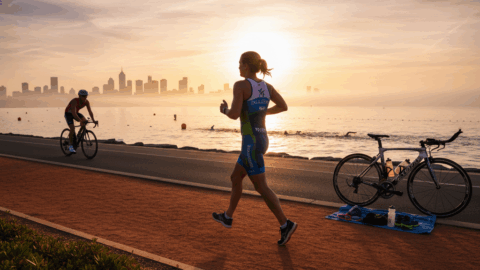
For Melbourne triathletes hammering out km after km along the Tan Track, around Albert Park Lake, or on the Elwood foreshore path, running form is the difference between sustainable speed and chronic injury. Unlike swimming and cycling, which are low-impact, running subjects the body to ground reaction forces of 2–3 times body weight with every stride. Optimising your running form reduces these forces, improves efficiency, and translates directly into faster times across all three race disciplines.
Foot Strike: The Foundation of Efficient Running
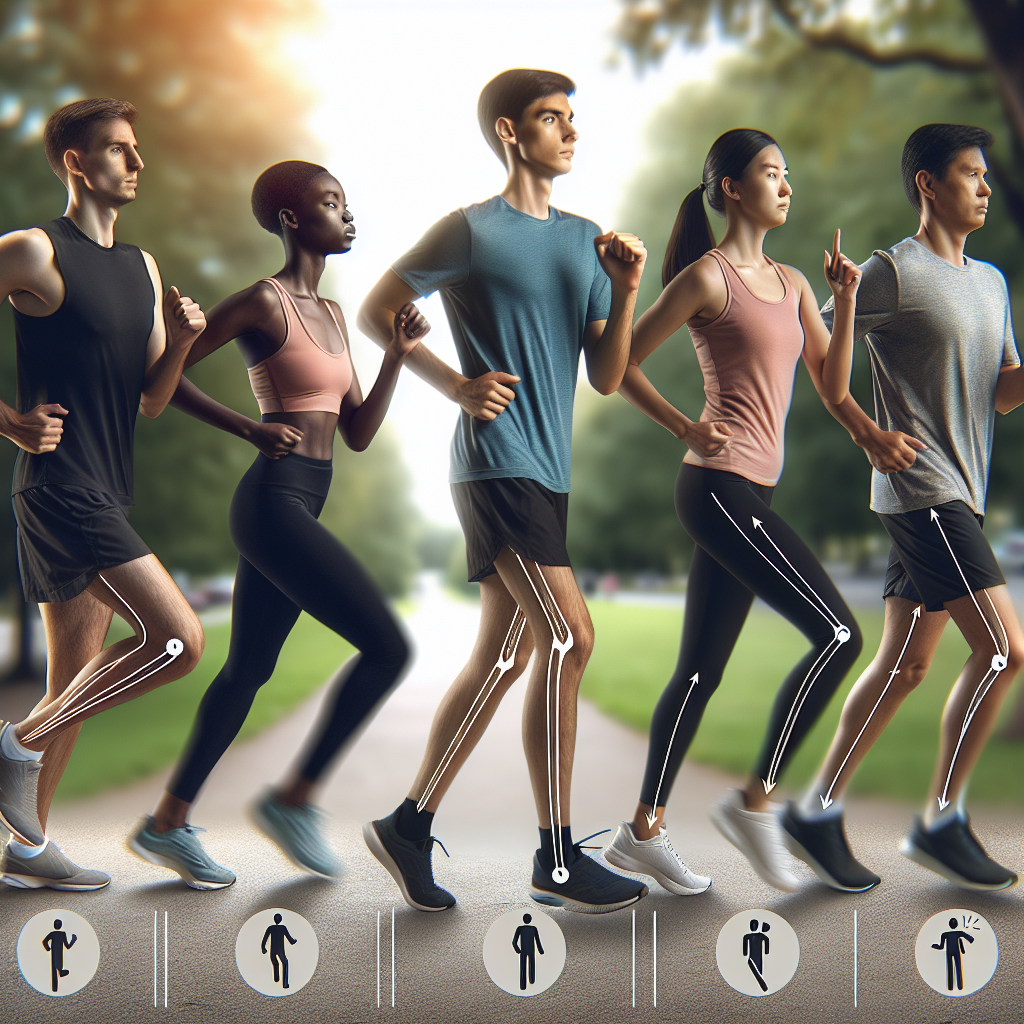
How your foot contacts the ground determines how impact forces travel through your kinetic chain. There are three primary foot strike patterns:
- Heel strike: Most common, especially in recreational runners. Creates a braking force that increases with overstriding. Associated with shin splints, knee pain, and IT band syndrome.
- Midfoot strike: Ball and heel contact nearly simultaneously. More even force distribution. Recommended for long-distance triathlon running.
- Forefoot strike: Ball of foot contacts first. Used by sprinters and faster runners. Places higher load on calves and Achilles tendon.
Optimising Your Foot Strike
For triathlon running (typically Zone 2–4 intensity, 4:30–6:00/km target pace for most Age Groupers), a neutral midfoot strike is optimal. Key cues:
- Land with your foot beneath your centre of mass — not out in front of your hips
- Avoid “reaching” forward with your stride — this causes heel strike and braking
- Think of your foot “pulling back” against the ground rather than pushing off
Transitioning from heel to midfoot strike should be gradual — reduce run volume by 30–40% for 3–4 weeks while the calves and Achilles adapt to increased load.
Cadence: The Single Most Impactful Running Form Change
Running cadence — steps per minute — has the most research support of any running form variable. The majority of recreational runners run at 150–165 steps/minute (spm). Increasing cadence to 170–180 spm reduces stride length, lowers ground contact time, decreases vertical oscillation, and significantly reduces impact forces on the knees and hips.
How to Improve Cadence
- Use a metronome app or music at your target BPM during easy runs
- Increase cadence by 5% every 2 weeks — sudden jumps cause calf fatigue
- Most GPS watches (Garmin, Coros, Apple Watch) display real-time cadence
- Target cadence varies by pace — 180 spm at 5:00/km, 170 spm at 5:45/km is a reasonable range
Posture and Upper Body Form
Running posture affects everything from breathing efficiency to hip extension. Common postural faults and corrections:
Forward Lean
A slight forward lean of 5–10 degrees from the ankles (not the waist) puts you in a natural fall position that gravity assists. Leaning forward from the waist instead creates lower back compression and hamstring tightness. Cue: “fall forward from the ankle joint, ears over shoulders over hips.”
Arm Swing
Arm movement counterbalances leg rotation. Optimal arm mechanics:
- Elbows bent at approximately 90 degrees
- Swing forward and backward in line with direction of travel — not across the midline
- Hands relaxed, as if holding a potato chip without breaking it
- Shoulders down and relaxed — not hunched toward ears
Crossing the arms across the body causes excessive torso rotation, which wastes energy and increases lower back and hip load — a significant energy drain in the 42.2 km Ironman run.
Head and Neck Position
Eyes forward 10–20 metres ahead, chin parallel to ground. Looking down at your feet causes neck flexion that rounds the upper back and reduces lung capacity by up to 15%.
Core Strength: The Hidden Foundation of Running Form
A strong core — which includes not just abs but glutes, hip flexors, lower back, and pelvic stabilisers — is essential for maintaining proper running form, especially in the late stages of a triathlon run when fatigue accumulates. Core weakness manifests as pelvic drop (Trendelenburg gait), crossover stride, and increased lateral movement — all of which increase injury risk and slow you down.
Essential Core Exercises for Runners
| Exercise | Target | Sets x Reps |
|---|---|---|
| Plank (forearm) | Anterior core stability | 3 x 45–60 sec |
| Side plank | Lateral core, hip abductors | 3 x 30–45 sec each |
| Single-leg glute bridge | Glutes, pelvic stability | 3 x 12 each side |
| Dead bug | Anti-rotation core | 3 x 10 each side |
| Copenhagen plank | Adductors, hip stability | 3 x 20 sec each side |
2–3 core sessions per week of 15–20 minutes each will produce measurable running form improvement within 6–8 weeks.
Running Drills to Reinforce Proper Form
Running drills teach neuromuscular patterns that improve form during actual running. Incorporate these before quality run sessions:
- High knees: 2 x 20m — reinforces forward lean and hip flexion
- Butt kicks: 2 x 20m — improves hamstring activation and foot contact position
- A-skip: 2 x 20m — develops pawing/pulling foot contact mechanics
- Strides: 4–6 x 80–100m at 5km effort — reinforces race-pace mechanics without fatigue
Frequently Asked Questions
What is the best foot strike pattern for triathlon running?
For most triathlon distances, a midfoot or neutral foot strike — with the foot landing beneath the hips — is most efficient and reduces injury risk. Pure forefoot striking works for shorter distances and faster paces but increases calf and Achilles load. The key is avoiding the severe overstriding heel strike that creates a braking effect and increases impact forces through the knee.
What cadence should I target for triathlon running?
Target 170–180 steps per minute for most triathlon running paces (4:30–6:30/km). If your current cadence is 155–160 spm, increase by 5% every 2 weeks until you reach your target range. Higher cadence reduces overstriding, shortens ground contact time, and decreases injury-causing impact forces at the knee and hip.
How does arm swing affect running efficiency?
Proper arm swing — elbows at 90 degrees, moving forward and backward (not crossing the midline) — counterbalances leg rotation and maintains forward momentum with less energy expenditure. Crossing arms over the body’s centreline causes excessive torso rotation that wastes 3–5% more energy per stride. In a 42 km run, this adds up significantly.
Why do I get injured running off the bike in triathlon?
Brick running (run immediately after cycling) causes accumulated fatigue in the glutes, hip flexors, and quads that alters running mechanics. Common compensations include increased forward lean from the waist, reduced hip extension, and altered foot strike. Regular brick training (10–20 min runs after 60–90 min rides) trains your body to maintain form under fatigue, which is the specific skill triathlon demands.
How long does it take to improve running form?
Neuromuscular patterns change within 4–6 weeks of consistent drill work and focused practice. However, structural adaptations — increased calf strength for midfoot striking, improved pelvic stability from core work — take 8–12 weeks to consolidate. Gradual changes maintained over a full training cycle produce lasting improvement without injury risk from sudden form overhaul.
Discover more from Tri Alliance Triathlon Community
Subscribe to get the latest posts sent to your email.