
Rest Days in Triathlon Training: Why They Are Non-Negotiable
Rest days are not a sign of weakness or inconsistency. They are a physiological requirement. Every adaptation you seek from training — stronger muscles, improved VO2max, better running economy — happens during recovery, not during the training session itself. Understanding this principle is fundamental for any triathlete, whether building toward their first sprint distance or targeting an Ironman finish.
The Physiology of Rest: What Happens When You Stop
During training, you create stress. Muscle fibres sustain microscopic damage. Glycogen stores deplete. Cortisol levels rise. Immune function temporarily decreases. These are all normal, intended training stimuli. Without a corresponding recovery period, these stressors accumulate rather than adapt.
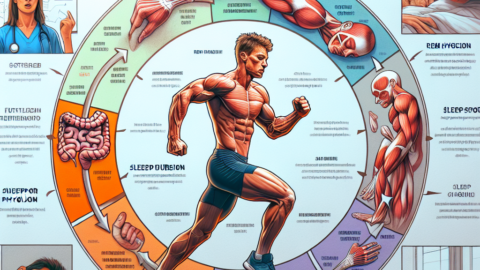
During rest days, the following repair processes occur:
- Muscle protein synthesis peaks 24–36 hours post-exercise — rest allows this process to complete
- Glycogen resynthesis — full replenishment of muscle and liver glycogen takes 24–48 hours after depletion
- Growth hormone secretion increases during deep sleep on rest nights, driving tissue repair
- Immune system recovery — intense exercise temporarily suppresses immune function; rest restores it
- Connective tissue adaptation — tendons and ligaments adapt more slowly than muscles; they require longer recovery windows to avoid overuse injuries
How Many Rest Days Do Triathletes Need?
| Training Phase | Weekly Hours | Recommended Rest | Active Recovery Days |
|---|---|---|---|
| Base building | 6–10 hrs | 1–2 full rest days | 1–2 days |
| Build phase | 10–15 hrs | 1 full rest day | 1–2 days |
| Peak training | 15–20+ hrs | 1 full rest day (protected) | 2 days (easy sessions only) |
| Recovery week | 60–70% of peak | 2 full rest days | 2–3 days |
| Race week (taper) | 30–50% of peak | 2+ rest days | Short, high-quality sessions only |
The Tri Alliance training programs for Melbourne-based athletes build recovery weeks into the periodisation structure every 3–4 weeks to prevent accumulated fatigue from undermining adaptation.
Active Rest vs Full Rest: When to Choose Each
Full Rest Days
No structured physical activity. Walking to the coffee shop counts as full rest. Full rest is most appropriate:
- The day after a race or race simulation
- When resting heart rate is elevated 5+ bpm above baseline
- During illness recovery
- At least once per week throughout a training plan
Active Recovery Days
Low-intensity movement lasting 20–40 minutes at less than 60% maximum heart rate. Activities like easy swimming, light cycling, walking or gentle yoga. Active recovery:
- Increases blood circulation to muscles recovering from previous sessions
- Accelerates metabolic waste clearance
- Maintains movement patterns without adding training stress
- Reduces stiffness from previous day’s training
Active recovery is not an excuse to sneak in extra training. If you’re checking your pace or power and adjusting effort to hit zones, that’s a training session. Active recovery requires genuine low intensity — you should be able to hold a full conversation throughout.
Preventing Overtraining Syndrome Through Rest Day Discipline
Overtraining syndrome (OTS) is the primary risk of insufficient recovery. The most common pathway to OTS in age-group triathletes is skipping scheduled rest days during periods when training is going well. Feeling good in training creates confidence, which creates reluctance to rest — and this is precisely when OTS risk is highest, because training stress is accumulating without discharge.
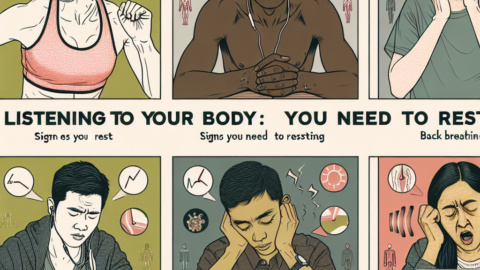
Indicators that you need to protect rest days more aggressively:
- Resting HR creeping up over consecutive days
- Declining HRV trend (if you track it)
- Sessions feeling harder at the same pace/power
- Disrupted sleep despite physical fatigue
- Reduced enthusiasm or motivation for training
Rest Days and Mental Recovery
The psychological dimensions of rest are often undervalued. Triathlon training requires sustained concentration, tactical discipline and emotional regulation — all of which are cognitively fatiguing in ways that don’t show up in training load metrics.
Rest days allow the prefrontal cortex to recover from the sustained attention demands of structured training. Athletes who consistently take rest days report better technique execution, improved tactical decision-making in races, and higher overall enjoyment of training. Mental fatigue from skipping rest accumulates more slowly than physical fatigue but is often harder to recognise and reverse.
Structuring Your Training Week: Rest Day Placement
Sample Week Structure for Intermediate Triathlete (12 hrs/week)
| Day | Session Type | Duration |
|---|---|---|
| Monday | Full Rest | — |
| Tuesday | Swim (technique/threshold) | 60 min |
| Wednesday | Bike (intervals) + Run (brick, easy) | 90 min |
| Thursday | Swim (squad) + Run (tempo) | 90 min |
| Friday | Active Recovery — easy ride or walk | 30–40 min |
| Saturday | Long ride | 3–4 hrs |
| Sunday | Long run (easy pace) | 90 min |
Monday rest after the weekend’s long sessions is logical and research-supported. Some athletes prefer Wednesday as their rest day to split the week’s training load — what matters is consistency and protecting the day from being eroded by “just a short session.”
Melbourne Triathletes: Rest Day Activities
Melbourne offers excellent low-intensity activities ideal for active recovery days:
- St Kilda Botanic Gardens or Albert Park Lake — flat, easy walking loops near the water
- Yarra River Trail — gentle cycling path through the city, suitable for easy riding
- Bay Trail (Port Phillip) — flat foreshore path from St Kilda to Elwood, perfect for easy walking
- Yoga studios in Fitzroy, Collingwood, South Yarra — restorative yoga is ideal active recovery
Connect with fellow Tri Alliance Melbourne athletes through the club community for group social rides or walks that keep rest days enjoyable without inadvertently adding training load.
FAQ: Rest Days in Triathlon Training
Will taking rest days slow my progress?
The opposite. Inadequate rest slows progress by preventing the physiological adaptations that training stimulates. Fitness is built during recovery, not during training sessions. Athletes who consistently take rest days improve faster than those who train without adequate recovery.
What should I eat on rest days?
Slightly reduce carbohydrate intake (you’re not burning as much glycogen) but maintain protein intake at 1.6–2.0g/kg body weight to support ongoing muscle repair from previous training. Don’t dramatically cut calories — rest day nutrition still supports the adaptation process.
I feel guilty on rest days. Is this normal?
Extremely common, particularly among motivated age-group triathletes. Recognise this as a psychological pattern, not a training signal. Reframe rest days as a training component with a specific physiological purpose — because that’s exactly what they are. Discuss this with your Tri Alliance coach if guilt regularly leads to skipping scheduled rest.
Can I do strength training on rest days?
Depends on intensity. Light resistance training focusing on stability, mobility and postural muscles (core, hip stability, rotator cuff) is generally fine on active recovery days. Heavy strength work that creates significant DOMS belongs in the training schedule like any other hard session.
How do I know if I need an extra rest day?
Check resting HR — if it’s 5+ bpm above baseline, take an unplanned rest day. Trust subjective signals too: if a scheduled training session feels oppressive rather than challenging, rest is probably what you need. One unplanned rest day costs almost nothing; ignoring the warning signs can cost weeks.
Discover more from Tri Alliance Triathlon Community
Subscribe to get the latest posts sent to your email.