
Why Race Day Nutrition Makes or Breaks Your Triathlon
Ask any Melbourne triathlete who has cramped up on the Frankston Freeway bike leg or hit the wall at the St Kilda run turnaround — race day nutrition is as important as the months of training you put in. What you eat, how much you eat, and precisely when you eat it determines whether you cross the finish line strong or shuffle in depleted.
This guide breaks down the science and practice of race day nutrition into three phases: pre-race, mid-race, and post-race. Every timing window and gram of carbohydrate matters.
Pre-Race Meal Planning: Timing and Nutrient Balance
The goal of your pre-race meal is to top off glycogen stores without loading your gut with food that will still be digesting when the gun fires.
The 3–4 Hour Rule
Eat your main pre-race meal 3 to 4 hours before the race start. For most Melbourne triathlons — including the Melbourne Ironman 70.3 with early morning wave starts — this means rising around 4:00–4:30 am. It is inconvenient, but the benefit is clear digestion and full glycogen stores.
Carbohydrate Targets
Carbohydrates are the primary fuel. Aim for 1 to 4 grams of carbohydrate per kilogram of body weight, scaled to race duration:
| Body Weight | Sprint/Olympic (1g/kg) | Half/Full Ironman (3–4g/kg) |
|---|---|---|
| 60 kg | 60 g carbs (~240 kcal) | 180–240 g carbs (720–960 kcal) |
| 75 kg | 75 g carbs (~300 kcal) | 225–300 g carbs (900–1200 kcal) |
| 90 kg | 90 g carbs (~360 kcal) | 270–360 g carbs (1080–1440 kcal) |
Ideal Pre-Race Meals
- Oatmeal (80 g dry = ~55 g carbs) with a banana (27 g carbs) and honey (17 g carbs per tablespoon)
- Two slices white toast (50 g carbs) with peanut butter (3–4 g protein, 8 g fat per tablespoon)
- White rice (150 g cooked = 42 g carbs) with grilled chicken breast (30 g protein, low fibre)
Keep fat and fibre low — both slow gastric emptying. Avoid legumes, cruciferous vegetables, and anything high in fat the morning of a race.
Pre-Race Hydration
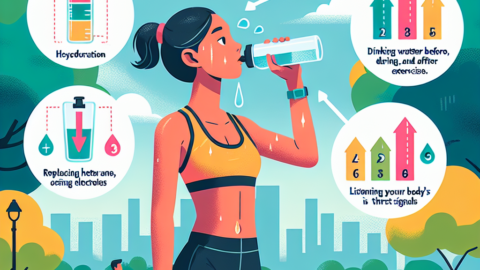
Drink 500–600 ml of water or electrolyte drink 2–3 hours before start. Add another 150–200 ml in the 20 minutes before the gun. In Melbourne’s summer heat (races often run 28–35°C), starting well-hydrated is non-negotiable.
Mid-Race Fueling: Energy Gels, Electrolytes, and Timing
Once you’re racing, your gut is under stress. Blood is redirected to working muscles, which slows absorption. Simplicity and practice are your best friends on course.
Carbohydrate Intake During Racing
For races lasting more than 60–90 minutes, you need to take in 30–90 grams of carbohydrate per hour, depending on intensity and gut tolerance. Most gels contain 20–25 g of carbs each.
| Race Duration | Carbs/Hour | Example Products |
|---|---|---|
| Under 60 min | 0–30 g | Water only or 1 gel |
| 1–2.5 hours (Olympic tri) | 30–60 g | 1–2 gels/hour + sports drink |
| 2.5–5 hours (70.3) | 60–75 g | 2–3 gels/hour + electrolytes |
| 5+ hours (Full Ironman) | 75–90 g | Gels + bars + sports drink |
Take gels every 30–45 minutes, always with 150–200 ml of water (not sports drink, to avoid osmolality overload).
Electrolytes: Don’t Skip These
Melbourne summer races are hot and humid. You will lose 800–1,500 mg of sodium per hour through sweat, along with potassium, magnesium, and chloride. Cramping, bonking, and disorientation on the run are often electrolyte-related, not energy-related.
- Sodium: 300–700 mg per hour (salt tabs, sports drinks, or electrolyte capsules)
- Potassium: 100–200 mg per hour
- Magnesium: 30–50 mg per hour for cramp prevention
Test your electrolyte strategy in training — never debut a new product on race day.
Hydration on Course
Drink 150–350 ml every 15–20 minutes on the bike. On the run, take small sips at every aid station rather than gulping large volumes, which can cause stitches. Aim to limit weight loss to no more than 2% of body weight.
Post-Race Recovery Nutrition: Refuel the Right Way
The window immediately after you cross the finish line is the most metabolically receptive period of the day. Use it.
The 30-Minute Recovery Window
Within 30 minutes of finishing, consume a combination of carbohydrates and protein in a 3:1 or 4:1 carb-to-protein ratio:
- Recovery smoothie: 1 banana + 200 g Greek yogurt + 300 ml milk = ~65 g carbs, 20 g protein
- Sports recovery drink: Most commercial options provide 50–75 g carbs + 15–20 g protein per serve
- Chocolate milk: Excellent and underrated — 500 ml provides ~50 g carbs + 17 g protein
Ongoing Recovery Meals
Over the next 2–4 hours, eat a balanced meal with lean protein, complex carbs, and vegetables. Grilled salmon with sweet potato and a green salad provides omega-3s for inflammation reduction alongside glycogen restoration.
Rehydrate with 150% of fluid lost — if you lost 1 kg during the race, drink 1.5 litres over the recovery period.
Frequently Asked Questions
What should I eat the night before a race?
Opt for a carbohydrate-rich meal that is easy to digest — pasta with a light tomato sauce and grilled chicken, white rice with salmon, or a baked potato with lean protein. Aim for 6–10 g of carbs per kilogram of body weight in the 24 hours before racing. Avoid excessive fat, alcohol, and high-fibre foods the evening before. Melbourne athletes often eat around 6–7 pm to allow 10+ hours before an early race start.
Can I eat during the swim leg of a triathlon?
No — nutrition during the swim is impractical and unnecessary for most race distances. Focus your fueling strategy on the bike leg, which offers the best opportunity for digestion, and continue into the early run before gut tolerance typically drops.
How do I know if I’m fueling enough during a race?
Signs of under-fueling include mental fog, legs feeling heavier than training effort suggests, and pace dropping unexpectedly despite perceived effort. If you feel these symptoms after the 90-minute mark, take a gel immediately with water. Preventing the bonk is far easier than recovering from one mid-race.
Are real food alternatives to gels viable for long-course racing?
Yes. Banana halves, dates, rice balls, and bespoke sports bars are all used successfully in Ironman racing. They tend to sit better for athletes with gel intolerance. The key is practicing these in training at race intensity, and ensuring the carbohydrate delivery is consistent — roughly every 30–45 minutes.
Race Day Nutrition Checklist
- Pre-race meal 3–4 hours before: carb-rich, low fat, low fibre
- 500–600 ml fluid 2–3 hours before start
- Gels or equivalent every 30–45 minutes from the 45-minute mark onward
- Electrolytes every 60 minutes on long-course events
- 150–350 ml fluid every 15–20 minutes on bike
- Recovery snack within 30 minutes of finishing (3:1 carb/protein ratio)
- All products rehearsed in training — zero new products on race day
Discover more from Tri Alliance Triathlon Community
Subscribe to get the latest posts sent to your email.