Post-Workout Recovery for Triathletes: What Actually Works
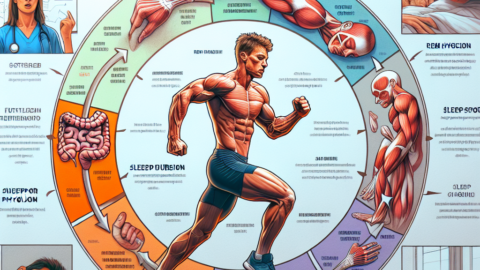
Long training sessions break your body down. Recovery is where adaptation happens. For triathletes training in Melbourne’s heat and humidity, getting recovery right is the difference between consistent progression and injury-forced downtime. This guide covers the specific protocols that work, with timing and dosing based on exercise physiology research.
The 30-Minute Recovery Window: Nutrition Timing
The post-exercise anabolic window is real but often misunderstood. You have approximately 30–60 minutes after training where your muscles are most receptive to glycogen replenishment and protein synthesis.
Optimal Post-Workout Nutrition Protocol
| Timing | What to Consume | Amount (70kg athlete) | Purpose |
|---|---|---|---|
| Within 15 min | Water + electrolytes | 500–750ml | Rehydration, electrolyte balance |
| Within 30 min | Carbohydrate + protein (3:1 ratio) | 60g carbs / 20g protein | Glycogen replenishment, muscle repair |
| Within 2 hours | Full balanced meal | 400–600 kcal | Continued recovery, micronutrient support |
| Before bed | Casein protein | 20–30g | Overnight muscle protein synthesis |
For long sessions over 90 minutes, prioritise electrolyte replacement beyond just sodium — potassium and magnesium loss through sweat significantly affects muscle function and sleep quality.
Hydration: Beyond Water
During intense Melbourne summer training, sweat rates can reach 1.5–2L per hour. Monitoring urine colour is a practical field test — aim for pale straw yellow within 2 hours post-training. Clear urine indicates overhydration; dark yellow signals inadequate rehydration.
For sessions exceeding 90 minutes, plain water is insufficient. Use a drink containing 500–700mg sodium per litre to restore plasma volume and stimulate drinking behaviour.
Cold Water Immersion: Protocols and Melbourne Locations
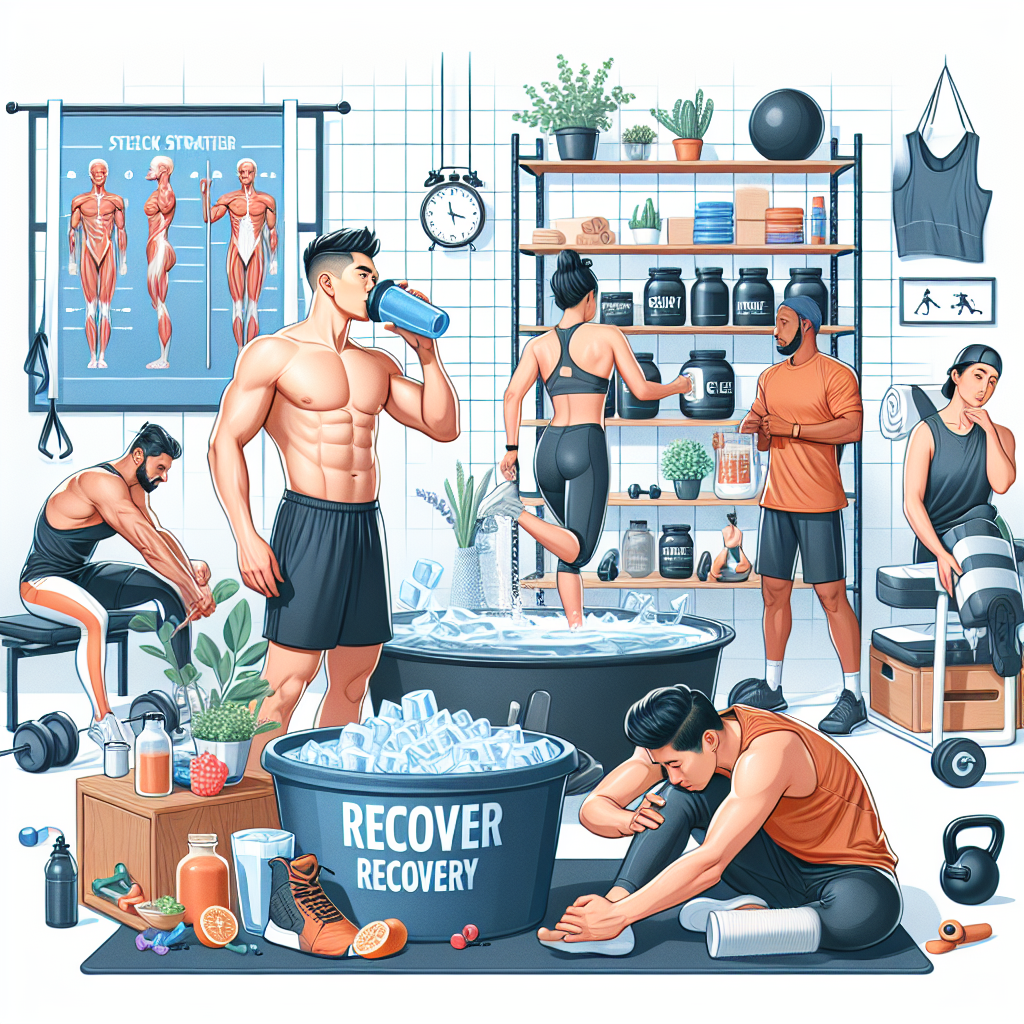
Cold water immersion (CWI) at 10–15°C for 10–15 minutes within 30 minutes of training is one of the most evidence-supported recovery modalities available. It reduces inflammation markers, decreases muscle soreness, and speeds perceived recovery.
Cold Water Plunge Options in Melbourne
- Port Phillip Bay (Brighton/St Kilda beaches) — Water temperature 14–18°C in winter, suitable for natural cold-water immersion year-round
- Melbourne City Baths (Swanston St) — Cold plunge pool available, open early morning for pre-work recovery sessions
- RACV City Club — Cold plunge integrated with hot/cold contrast therapy
- Your home bath/ice bath — Fill to thigh-waist depth, add ice to reach 10–12°C
Protocol: 10–15 minutes, water at 10–15°C, within 30 minutes of finishing training. Contrast therapy (alternating 1 min cold / 2 min hot, 3–4 cycles) is an effective alternative if access to very cold water is limited.
Active Recovery: Low-Intensity Movement
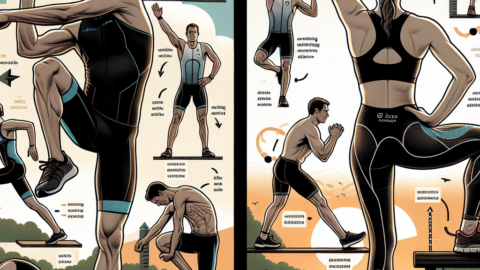
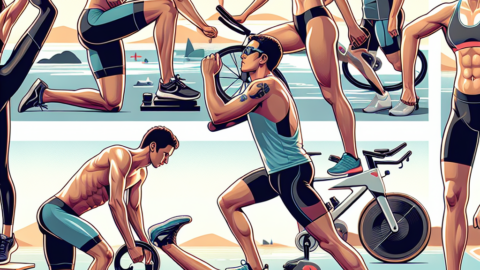
Active recovery on the day following hard sessions maintains blood flow without adding training stress. Aim for 20–30 minutes at less than 60% max heart rate — easy swimming, light cycling at conversational pace, or walking.
This circulation increase flushes metabolic waste products (including lactate) from muscles and delivers oxygen and nutrients needed for repair. The Tri Alliance Victoria training programs incorporate structured active recovery days to prevent accumulated fatigue across swim/bike/run disciplines.
Sleep: The Most Underused Recovery Tool
Growth hormone release — critical for muscle repair — occurs predominantly during deep slow-wave sleep. Athletes consistently getting less than 7 hours show measurable decreases in reaction time, power output, and immune function within 5 days.
Sleep Optimisation for Athletes
- Target 8–9 hours during high training load weeks
- Keep bedroom below 18°C — core body temperature drop is a sleep trigger
- Avoid screens 60 minutes before bed — blue light suppresses melatonin by up to 50%
- No caffeine after 2pm if you train at standard working hours
- Consider 20-minute naps post-long sessions if nighttime sleep is disrupted
Recovery Timeline by Session Type
| Session Type | Expected Soreness Peak | Full Recovery | Key Priority |
|---|---|---|---|
| Easy/moderate swim/bike/run | 12–24 hours | 24–36 hours | Rehydration, normal sleep |
| Long ride (3–5 hrs) | 24–48 hours | 48–72 hours | Carb reload, cold water immersion |
| Track session/intervals | 24–72 hours (DOMS) | 48–96 hours | Protein timing, active recovery |
| Full race simulation | 48–72 hours | 7–10 days | Full rest, massage, nutrition priority |
Compression Garments
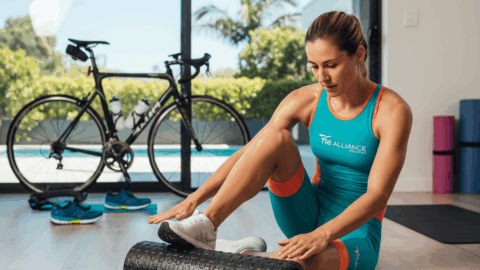
Wearing compression tights or sleeves for 2–4 hours post-workout reduces DOMS by improving venous return. Most effective on lower limbs after running-heavy sessions. Graduated compression (higher at ankle, lower at calf/thigh) is preferable to uniform pressure garments.
Melbourne Recovery Facilities
Access to professional recovery facilities gives Melbourne triathletes an advantage. The Tri Alliance coaching team can advise on facility access integrated with training plans.
- Normatec compression boots — Available at several Melbourne physio and sports recovery clinics
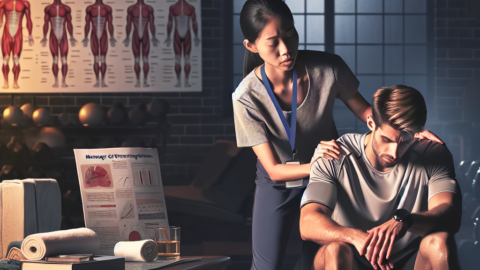
- Sports massage — Schedule 48–72 hours post hard session, not immediately after, to allow acute inflammation to resolve
- Cryotherapy chambers — Available in Melbourne CBD, comparable to ice baths for inflammation reduction
FAQ: Post-Workout Recovery for Triathletes
How soon after training should I eat?
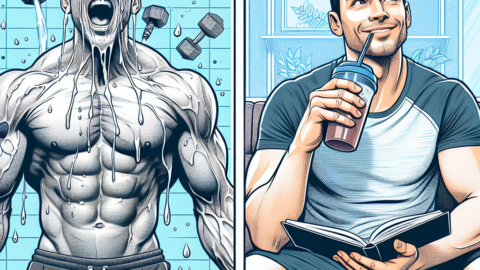
Consume carbohydrates and protein within 30 minutes of finishing. A 3:1 carb-to-protein ratio (e.g., 60g carbs / 20g protein) is optimal. If a full meal isn’t practical, a recovery shake or chocolate milk works well as an interim option.
Is an ice bath necessary after every session?
No. Cold water immersion is most beneficial after high-intensity or long-duration sessions. For moderate training days, it may actually blunt training adaptation (the inflammatory response is part of how you get fitter). Use it strategically — particularly in the 48–72 hours before you need to perform again.
How many rest days do I need per week?
Most triathletes training 8–15 hours weekly benefit from 1–2 full rest days and 1–2 active recovery days. The Tri Alliance training programs are periodised to build in appropriate rest relative to load.
Does alcohol affect recovery?
Yes — significantly. Even moderate alcohol consumption within 24 hours of training reduces muscle protein synthesis, disrupts sleep architecture, and impairs glycogen resynthesis. The post-race beer is a cultural reality, but avoid alcohol in the 24 hours following hard training blocks.
What’s the best way to reduce DOMS the day after a hard run?
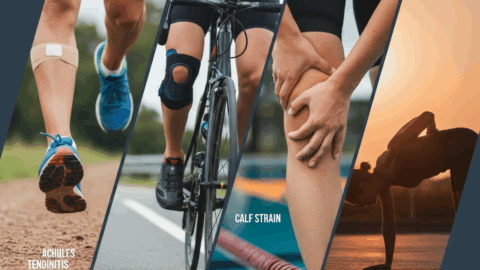
20–30 minutes of easy cycling or swimming increases blood flow to sore muscles without adding eccentric load. Combine with a high-protein meal and consider a 10-minute cold shower or cold plunge if soreness is severe. Avoid complete rest — movement helps.
Discover more from Tri Alliance Triathlon Community
Subscribe to get the latest posts sent to your email.