
Mental Health in Endurance Sport: Why It’s Not Optional
Training 15–25 hours per week for an Ironman or marathon puts the body under enormous physiological stress — and the mind under equivalent strain. For Melbourne-based endurance athletes, mental health is increasingly recognised not as a background consideration, but as a primary performance variable. Tri Alliance Victoria coaches integrate mental health strategies directly into training programs because the evidence is clear: athletes who manage psychological load recover faster, train more consistently, and race better.
This guide covers evidence-based mental health strategies tailored specifically to the demands of endurance sport — from daily mindfulness practice to recognising when professional support is needed.
Mindfulness for Endurance Athletes: A Practical Protocol
Mindfulness in sport is not meditation retreats or abstract philosophy — it’s a trainable attention skill. For endurance athletes, the core application is managing suffering during prolonged physical effort without catastrophising or disengaging.
Daily Mindfulness Practice (10–15 minutes)
- Focused attention meditation: Sit comfortably, close eyes, focus on breath. When the mind wanders — which it will — return attention to the breath without self-criticism. Start with 5 minutes, build to 15 over 8 weeks.
- Body scan: Lying supine, systematically move attention from toes to scalp, noting sensation without reaction. Excellent pre-sleep protocol for recovery nights.
- Mindful cooldown: After each training session, spend 5 minutes walking or lying still with attention on breath and body sensations rather than reviewing the session.
In-Training Mindfulness Applications
- During long runs: every 5km, check in with body sensation, breathing pattern, and emotional state — no judgment, just observation
- During hard intervals: use “labelling” — silently name what you’re experiencing (“burning quads, fast breathing, discomfort”) — this creates psychological distance from the sensation
- In open water: count strokes in sets of 10 as an anchor when anxiety rises during mass swim starts
Nutrition’s Role in Mental Health for Endurance Athletes
The gut-brain axis is well-established in sports science. What endurance athletes eat directly impacts mood, stress response, and cognitive function. Key nutritional strategies for mental resilience:
| Nutrient | Mental Health Function | Best Sources | Daily Target |
|---|---|---|---|
| Omega-3 fatty acids | Reduces neuroinflammation, improves mood | Salmon, sardines, walnuts | 2–3g EPA/DHA |
| Magnesium | Calms nervous system, reduces cortisol | Leafy greens, almonds, dark chocolate | 400–420mg |
| B vitamins (B6, B12, folate) | Neurotransmitter synthesis, energy metabolism | Eggs, legumes, leafy greens | Per RDI |
| Tryptophan | Serotonin precursor, mood regulation | Turkey, eggs, dairy, bananas | Include at dinner |
| Complex carbohydrates | Stable blood glucose = stable mood | Oats, sweet potato, brown rice | Base of every main meal |
Endurance athletes commonly under-fuel during high-volume training blocks, which directly impairs mood, motivation, and stress tolerance — creating a vicious cycle of poor mental health and reduced training quality. If you’re consistently irritable, anxious, or unmotivated during a build phase, rule out under-fuelling before attributing it to psychological causes.
Psychological Barriers Specific to Endurance Training
Overtraining and Burnout
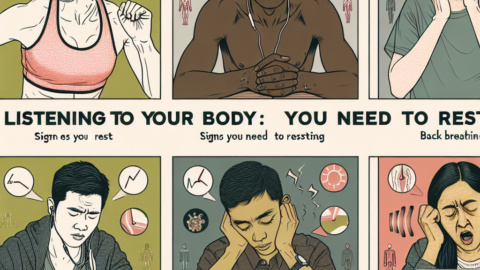
Overtraining Syndrome (OTS) has a significant mental health component often mistaken for depression or motivational failure. Key indicators distinguishing OTS from burnout:
- OTS: Performance decreases despite maintained or increased training load; HR variability (HRV) drops >15% below baseline for 5+ days; mood disturbances present even on rest days
- Burnout: Motivational collapse with normal physiological markers; associated with life stressors outside sport; resolves with structured de-load and psychological support
Melbourne athletes showing these signs should contact their Tri Alliance coach immediately and consider a referral to a sport-specific GP — several practice at MSAC and the Melbourne Sports Medicine Centre on Collins Street.
Performance Anxiety and Race-Day Nerves
Differentiating productive arousal (beneficial pre-race nerves) from debilitating anxiety:
- Productive arousal: Elevated HR, heightened awareness, excitement — resolves once the race starts
- Debilitating anxiety: Intrusive negative thoughts, sleep disruption 3+ nights before the race, GI disturbance for 48+ hours before race morning, catastrophic thinking
If debilitating anxiety occurs at multiple races, cognitive behavioural therapy (CBT) with a sport psychologist has the strongest evidence base for resolution.
Building a Mental Health Support System in Melbourne
Endurance sport can be isolating — particularly for solo athletes grinding out long sessions. The social infrastructure around your training is a protective mental health factor.
- Training squad membership: Tri Alliance Victoria squads train at Albert Park, Brighton, and Port Melbourne — the group accountability and shared experience buffer against isolation and negative thinking
- Structured goal review: Monthly check-ins with your coach on both physical and psychological progress
- Sport psychologists in Melbourne: The Australian Sport Psychologist Association (ASPA) maintains a directory of accredited practitioners; several are based in South Yarra and Carlton and work specifically with triathletes and endurance runners
- Beyond Blue: For athletes where stress and anxiety extend beyond sport, Beyond Blue’s free counselling service (1300 22 4636) provides immediate support
Rest and Recovery as Mental Health Strategy
Deliberate rest is not a failure of discipline — it’s a mental health intervention. The science is unequivocal: athletes who periodise recovery show lower rates of burnout, better mood stability, and higher long-term training consistency. Practical application:
- Schedule one complete rest day per week — no cross-training, no “easy” sessions
- Build one de-load week every 3–4 weeks with 40–50% volume reduction
- Post-race recovery: allow at least 1 day of complete rest per hour of race time (a 12hr Ironman = minimum 12 rest days before resuming structured training)
Frequently Asked Questions: Mental Health for Endurance Athletes
How do I know if my low motivation is a mental health issue or just normal training fatigue?
Normal training fatigue resolves after 1–2 rest days and doesn’t significantly affect non-sport activities. If low motivation extends to work, relationships, and daily activities, persists for 2+ weeks, and is accompanied by sleep disturbances or mood changes, it warrants assessment by a GP or mental health professional. Don’t self-diagnose — get evaluated.
Should endurance athletes see a sport psychologist even if they feel mentally fine?
Yes — the same way athletes work with a physiotherapist to prevent injury, not just treat it. A sport psychologist can optimise race-day routines, build mental skills for high-pressure moments, and create psychological resilience before a crisis occurs. Preventive mental skills work yields measurable performance gains.
What’s the connection between sleep deprivation and mental health in athletes?
Significant and bidirectional. Inadequate sleep (below 7 hours for most athletes) elevates cortisol, impairs emotional regulation, increases injury risk, and reduces motivation. Athletes in heavy training blocks who sleep less than 8 hours show clinically meaningful increases in mood disturbance scores within 5 days. Protect sleep as fiercely as you protect key training sessions.
How can I manage anxiety about a race I’ve been training 9 months for?
Reframe the race as a celebration of training rather than a test. Weeks before, write out everything you’ve done that proves you’re ready — sessions completed, milestones hit, challenges overcome. On race morning, focus exclusively on process cues (nutrition, pacing, technique) not outcomes. Use breathing (4-4-4-4 box breathing) to manage physiological arousal in the start corral.
Discover more from Tri Alliance Triathlon Community
Subscribe to get the latest posts sent to your email.