Overtraining Syndrome in Triathletes: Recognition, Recovery and Prevention
Overtraining syndrome (OTS) is one of the most serious and underdiagnosed conditions affecting competitive triathletes. Unlike simple fatigue that resolves with a rest day, OTS results from a sustained imbalance between training load and recovery capacity — and full recovery can take weeks to months. Understanding the warning signs early is essential for any triathlete training for events like Ironman Melbourne or the Geelong 70.3.
What Is Overtraining Syndrome?
OTS occurs when the cumulative physiological stress of training exceeds the body’s ability to adapt. It is distinct from overreaching — a short-term state of accumulated fatigue that resolves within 1–2 weeks of reduced load. True OTS persists beyond two weeks of reduced training and involves measurable hormonal, immune and neurological disruption.
The primary driver is not simply training volume but the ratio of training load to recovery. High training volume with adequate sleep, nutrition and rest days rarely causes OTS. Problems arise when volume spikes without corresponding recovery, or when external stressors (work, travel, illness) compound training load.
Recognising the Signs: Early vs Advanced OTS
| Category | Early Warning Signs | Advanced OTS Symptoms |
|---|---|---|
| Performance | Plateau in training metrics, sessions feeling harder at same pace | Measurable decline despite maintained or increased training |
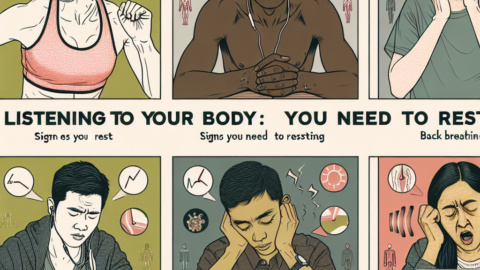
| Physical | Elevated resting HR (+5–7bpm above baseline), persistent muscle soreness | Frequent illness, amenorrhea (female athletes), chronic muscle soreness |
| Sleep | Difficulty falling asleep despite fatigue, reduced sleep quality | Persistent insomnia, early waking, unrefreshing sleep |
| Psychological | Reduced motivation, irritability, dreading training sessions | Depression, anxiety, loss of enjoyment in sport |
| Metabolic | Increased appetite changes, weight fluctuation | Loss of appetite, unexplained weight loss |
A resting heart rate consistently 5–10bpm above your established baseline is one of the most reliable early indicators accessible to every athlete with a basic heart rate monitor or sports watch.
Recovery Protocol for Overtraining Syndrome
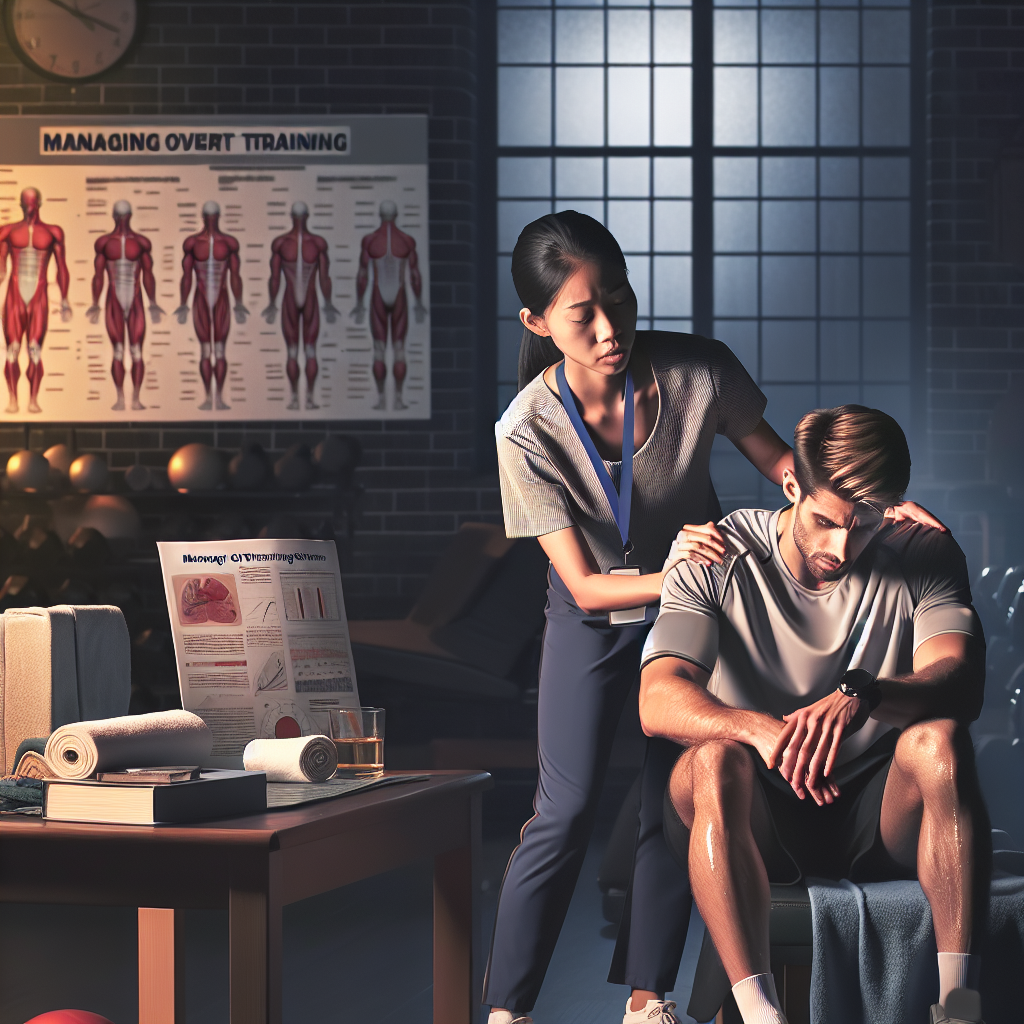
Recovery from OTS requires a structured, graduated approach. Attempting to train through OTS extends recovery time significantly — often doubling or tripling the time away from full training.
Phase 1: Complete Rest (Days 1–7 minimum)
- Halt all structured training — including “easy” sessions
- Focus on sleep quality: target 9–10 hours per night
- Address nutrition deficits — many OTS cases involve chronic under-fuelling, particularly in female athletes
- Seek blood testing: check ferritin, vitamin D, cortisol, testosterone/oestrogen ratios
Phase 2: Active Rest (Weeks 2–3)
- Light, enjoyable movement only: walking, gentle yoga, easy swimming with no pace targets
- Duration caps at 30–45 minutes maximum per day
- Monitor resting HR daily — return to baseline is a key indicator of recovery progress
- Continue nutrition focus: 1.6–2.0g protein/kg body weight per day to support tissue repair
Phase 3: Graduated Return to Training (Weeks 3–8)
- Restart with one discipline only, at 50% of previous volume
- Add disciplines weekly only if resting HR and subjective wellbeing remain stable
- No intensity for the first 2–3 weeks of return — base only
- Work with a qualified Tri Alliance coach to rebuild with periodised load management
Heart Rate Variability as an OTS Detection Tool
Heart rate variability (HRV) — the beat-to-beat variation in your heart rate — is increasingly used by endurance athletes to monitor recovery status. A sustained downward trend in HRV over 5–7 days, without a corresponding increase in training load, is an early OTS indicator. Apps like HRV4Training or Elite HRV paired with a chest strap or compatible smartwatch give reliable daily readings.
The key is trend, not single day values. Your baseline HRV varies significantly between individuals. What matters is deviation from your personal 7-day rolling average.
Preventing OTS: Training Load Management
Periodisation Principles
The most effective OTS prevention is structured periodisation — planned variation in training load over time. A typical model for triathlon training:
| Week Pattern | Load | Purpose |
|---|---|---|
| Weeks 1–3 | Progressive build (100%, 110%, 120% of baseline) | Fitness stimulus |
| Week 4 | Recovery week (60–70% of week 3 volume) | Adaptation and consolidation |
Skipping recovery weeks to “make up” missed training is the most common trigger for OTS in age-group triathletes.
External Stress Load Accounting
Work deadlines, travel, illness and relationship stress all draw on the same recovery budget as training. During periods of high life stress, proactively reduce training load by 20–30% rather than maintaining the same volume and hoping recovery catches up.
Nutrition’s Role in OTS Prevention
Relative Energy Deficiency in Sport (RED-S) — formerly known as the Female Athlete Triad — is frequently an underlying contributor to OTS, particularly in athletes focused on body composition alongside performance. Chronic under-fuelling relative to training load leads to hormonal suppression, impaired recovery, increased injury risk and reduced immune function.
If you are regularly completing training sessions of over 90 minutes and not actively fuelling during those sessions, you are likely creating a caloric deficit that accumulates over weeks. The Tri Alliance nutrition resources cover fuelling strategies for endurance training specifically.
When to See a Professional
Seek medical assessment if:
- Performance decline persists beyond 2 weeks of reduced training
- Resting HR remains elevated beyond 10 days of rest
- Psychological symptoms (depression, anxiety, complete loss of motivation) are present
- Female athletes experiencing menstrual disruption
A sports physician can order relevant blood panels and rule out other conditions (thyroid dysfunction, anaemia, viral illness) that mimic OTS. Melbourne sports medicine clinics with triathlon experience include Monash Health Sports Medicine and the Sports Medicine Centre at Melbourne University.
FAQ: Overtraining Syndrome
How long does overtraining syndrome take to recover from?
Mild cases (functional overreaching) resolve in 1–2 weeks. True OTS can take 4–12 weeks for full recovery. The more severe the symptoms and the longer OTS was allowed to persist before rest was taken, the longer recovery will be. Early intervention dramatically shortens recovery time.
Can I keep training through overtraining syndrome?
No. Training through OTS consistently extends recovery time and risks progression to a more severe form. Even “easy” training maintains the hormonal and immune disruption driving the syndrome. Full rest, not reduced training, is required in Phase 1.
Is overtraining syndrome the same as burnout?
They share symptoms but differ in mechanism. Burnout is primarily psychological — loss of motivation and enjoyment without the physiological markers of OTS. Both can co-exist. OTS involves measurable hormonal changes (elevated cortisol, suppressed testosterone/oestrogen) that burnout alone does not.
How can I tell if I’m overtraining or just having a bad week?
Bad weeks resolve after 1–2 rest days. OTS persists. Track your resting HR every morning — if it stays elevated 5+ days, that’s a physiological signal. Also assess HRV trend if you have a monitor. Subjective metrics matter too: if you actively dread training sessions that you normally enjoy, that’s a meaningful warning sign.
What’s the single most important OTS prevention habit?
Protecting recovery weeks. The 3-week build / 1-week recovery cycle is evidence-based and widely used by elite coaches. Most age-group triathletes skip recovery weeks because they feel good — but that’s when they’re most effective at preventing OTS. Work with a Tri Alliance coach to build appropriate recovery into your program structure.
Discover more from Tri Alliance Triathlon Community
Subscribe to get the latest posts sent to your email.