Why Endurance Athletes Ignore Rest Signals — and Pay for It
Endurance culture celebrates consistency. The “never miss a Monday” mentality that builds a 20-hour training week can also make an athlete dismiss the signals their body sends when genuine rest is required. For Melbourne triathletes and runners preparing for events like Ironman, UTMB qualifiers, or even a spring marathon, the ability to distinguish productive training fatigue from a body that genuinely needs rest is a performance skill — not a weakness.
The cost of ignoring these signals is significant: overtraining syndrome, stress fractures, immune collapse, and burnout are not rare edge cases in the triathlon community. They’re common outcomes of not listening. Tri Alliance Victoria coaches monitor athlete recovery indicators as systematically as training load — because the adaptation happens during rest, not during effort.
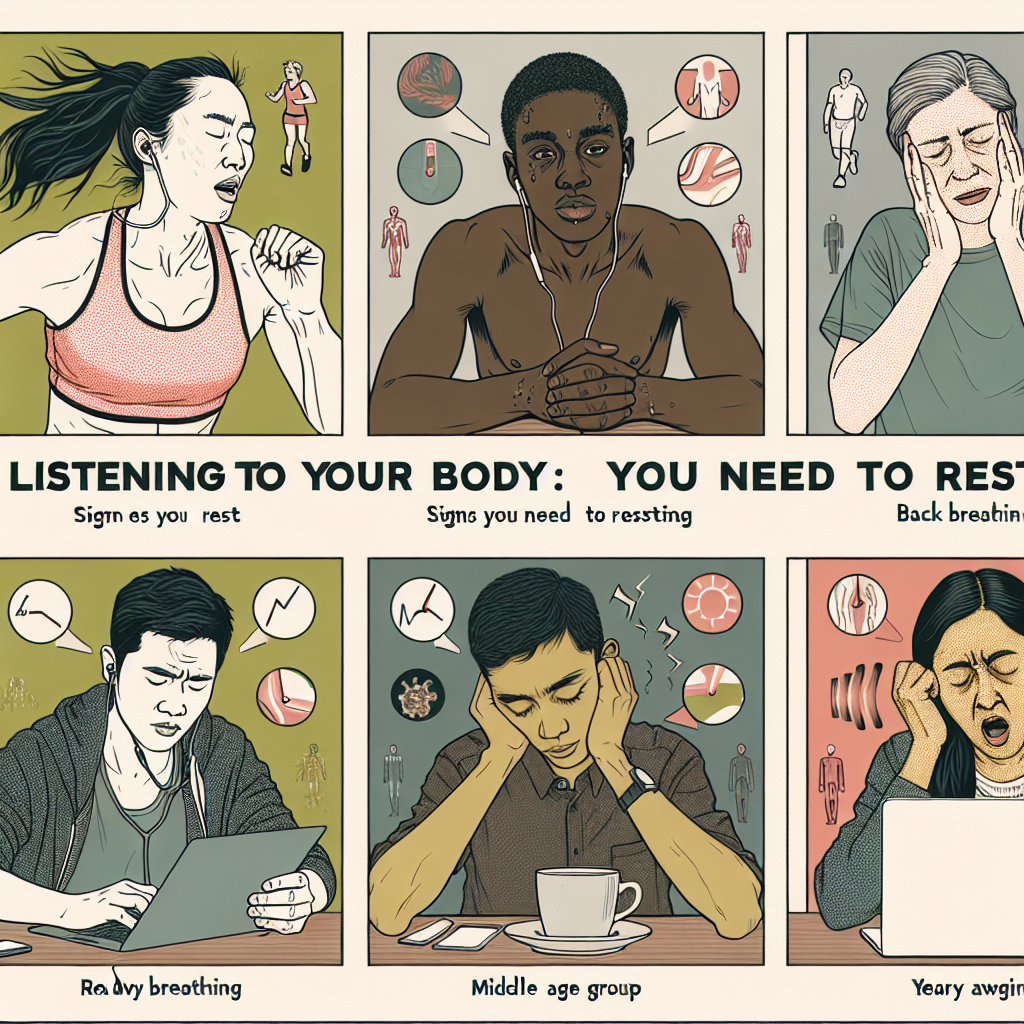
Physical Signs That Demand Rest
Musculoskeletal Warning Signals
- Persistent muscle soreness beyond 72 hours: Delayed onset muscle soreness (DOMS) typically peaks at 24–48 hours and resolves by 72 hours. Soreness that persists beyond 3 days from a training session indicates inadequate recovery and is a contraindication to another hard session on the same muscle group.
- Localised bone pain: Any sharp, point-specific pain in the tibiae, metatarsals, or femur that worsens with impact — not general muscular discomfort — requires immediate cessation of impact exercise and medical assessment within 48 hours. Stress fractures are common in athletes who ignore this signal.
- Joint pain with swelling: Warmth, swelling, or locking in a joint requires professional assessment before any return to load.
- Altered gait or mechanics: If you’re running differently, bracing a hip, or compensating without conscious effort — your body is protecting something. Don’t override it.
Physiological Threshold Markers
| Marker | Normal Range | Rest Threshold | Action Required |
|---|---|---|---|
| Morning resting heart rate | Your established baseline | >7bpm above 7-day average | Replace hard session with easy recovery |
| HRV (Heart Rate Variability) | Your established baseline | >15% below 7-day average | No intense training; recovery day or complete rest |
| Perceived exertion at standard pace | RPE 6–7 at tempo pace | RPE 8+ at easy pace for 2+ days | Complete rest day; evaluate nutrition and sleep |
| Sleep quality (wearable) | 75–85% sleep score | Below 60% for 3+ consecutive nights | Prioritise sleep over morning training sessions |
| Illness frequency | 0–1 minor illness per block | 2+ URTIs in 4 weeks | Full rest and GP review; potential blood panel |
Mental and Emotional Signs You Need Rest
Psychological signs of inadequate recovery are as reliable as physiological ones — and are often more honest. The endurance athlete’s identity is deeply intertwined with training, which makes these signals easy to rationalise away.
- Dreading training sessions you normally enjoy: Two or more consecutive days of genuine dread (not pre-session reluctance that resolves on warm-up) is an early overtraining indicator
- Persistent irritability: If family members or colleagues are commenting on mood changes, or if minor inconveniences generate disproportionate emotional responses, your nervous system is under-recovered
- Loss of motivation that doesn’t resolve with rest: One rest day restoring normal motivation = appropriate fatigue. Three rest days without motivation returning = overtraining or burnout requiring professional assessment
- Inability to concentrate: If work or study performance is declining in parallel with training, the cause is systemic stress overload, not a work problem
- Increased cynicism about training goals: Feeling that the race you’ve been training for isn’t worth it, that your goals are pointless, or that you don’t care about results — requires honest self-assessment and potentially a conversation with your coach
Sleep Deprivation Signals in Athletes
Athletes in heavy training blocks are particularly susceptible to accumulated sleep debt, which presents as a distinct cluster of symptoms:
- Waking unrefreshed despite 7+ hours in bed (possible sign of poor sleep quality, not quantity)
- Craving stimulants — reaching for 3+ coffees per day, needing caffeine before afternoon training
- Falling asleep immediately upon sitting still (commute, watching TV) — indicates significant sleep debt
- Memory lapses and decision-making errors in daily life — precede performance degradation on course
- Increased appetite for high-sugar, high-fat foods — sleep debt elevates ghrelin and suppresses leptin, producing genuine physiological hunger signals
The Difference Between Productive Fatigue and Harmful Overreach
Not all fatigue signals mean stop — some are normal training adaptations that require management, not avoidance:
Productive Fatigue (manage, continue training)
- Muscle soreness 24–48 hours post-session that resolves completely
- Reduced motivation on the morning of a hard session that disappears after warm-up
- Temporary performance dip in week 3 of a 4-week training block (normal non-functional overreaching)
- General tiredness that resolves completely after a single rest day
Harmful Overreach (requires genuine rest)
- Performance decline despite taper or reduced training
- Physiological markers (HR, HRV) that don’t normalise after 2 complete rest days
- Any illness during what should be a peak fitness period
- Sleep disruption that worsens despite cessation of evening training
- Mood disturbance persisting into the third consecutive rest day
How to Structure Rest When Your Body Needs It
When signals indicate genuine rest is needed, the response should be structured, not indefinite. A Melbourne athlete’s rest protocol:
- Day 1: Complete rest — no training, no cross-training. Prioritise 9+ hours sleep, nutrition focus (adequate carbohydrate and protein), no caffeine after noon.
- Day 2: If HRV and resting HR have normalised, 30–45 minutes easy movement (walking, gentle swimming, yoga). If not normalised — another complete rest day.
- Day 3: If markers normal and mood positive, return to easy training at 50–60% of normal volume. If markers still abnormal, GP or physio assessment needed.
The Tri Alliance Victoria coaching team can review your training data and HRV trends to determine whether a rest signal warrants a scheduled de-load week or a genuine break from training.
Melbourne Resources for Athletes Struggling to Rest
Sometimes the barrier to taking rest is psychological — fear of detraining, loss of identity, anxiety about race preparation. Melbourne athletes have access to support:
- Beyond Blue: 1300 22 4636 — if overtraining or burnout is significantly impacting mental health and daily function
- Sport psychologists in Melbourne: Australian Sport Psychology Association accredited practitioners; several work specifically with endurance athletes in South Yarra and Carlton
- GP with sport medicine interest: A full blood panel (ferritin, Vitamin D, thyroid, cortisol) during a suspected overtraining period rules out medical causes for fatigue
Frequently Asked Questions: Knowing When to Rest
How many complete rest days per week should a triathlete take?
At minimum one complete rest day (no structured training) every 7 days, regardless of training phase. During build and peak phases with 15+ hours weekly volume, two rest or very easy days per week is appropriate for most amateur athletes. Elite professionals can train 7 days per week because their full-time recovery infrastructure (sleep, nutrition, massage, physiotherapy) matches their training load — this is not realistic for athletes with careers and families.
Will taking a rest day hurt my Ironman preparation?
The opposite is true. Adaptation occurs during recovery, not during training. A session creates the stimulus; sleep and rest create the adaptation. Missing one session due to genuine fatigue and replacing it with a quality rest day produces better long-term fitness than training through inadequate recovery. The athletes who arrive at Ironman undertrained are rare; the athletes who arrive overtired are common.
How can I tell if I’m sick or just overtrained?
Apply the “neck rule” used by sports medicine practitioners: symptoms above the neck (runny nose, mild sore throat, headache without fever) — you can train at reduced intensity. Symptoms below the neck (chest congestion, GI distress, muscle aches, fever above 38°C) — complete rest until symptoms resolve plus 24 additional hours symptom-free before returning to training. Fever is an absolute contraindication to exercise regardless of symptom location.
What if I feel guilty for resting when training partners are still going?
This is the most common reason athletes override rest signals — social comparison. Reframe: your training partners have different load histories, different stress profiles, different sleep quality, and different physiological recovery rates. Their ability to continue training says nothing about whether you should. Use objective markers (HRV, resting HR, performance at standard effort) rather than what others are doing to make your rest decisions. Your coach can validate this with data.
At what point should persistent fatigue prompt a medical review?
If unexplained fatigue persists despite 2+ consecutive easy or rest days, and the athlete has adequate nutrition and 8+ hours sleep, a GP consultation and blood panel is warranted. Key markers to check: ferritin (low iron stores are endemic in female endurance athletes and common in males), Vitamin D (particularly in Melbourne’s lower UV winter months), thyroid function, and serum cortisol. These are medically treatable causes of fatigue that sport alone won’t fix.
Discover more from Tri Alliance Triathlon Community
Subscribe to get the latest posts sent to your email.