Foam Rolling for Triathlete Muscle Recovery: Techniques, Protocols and Timing
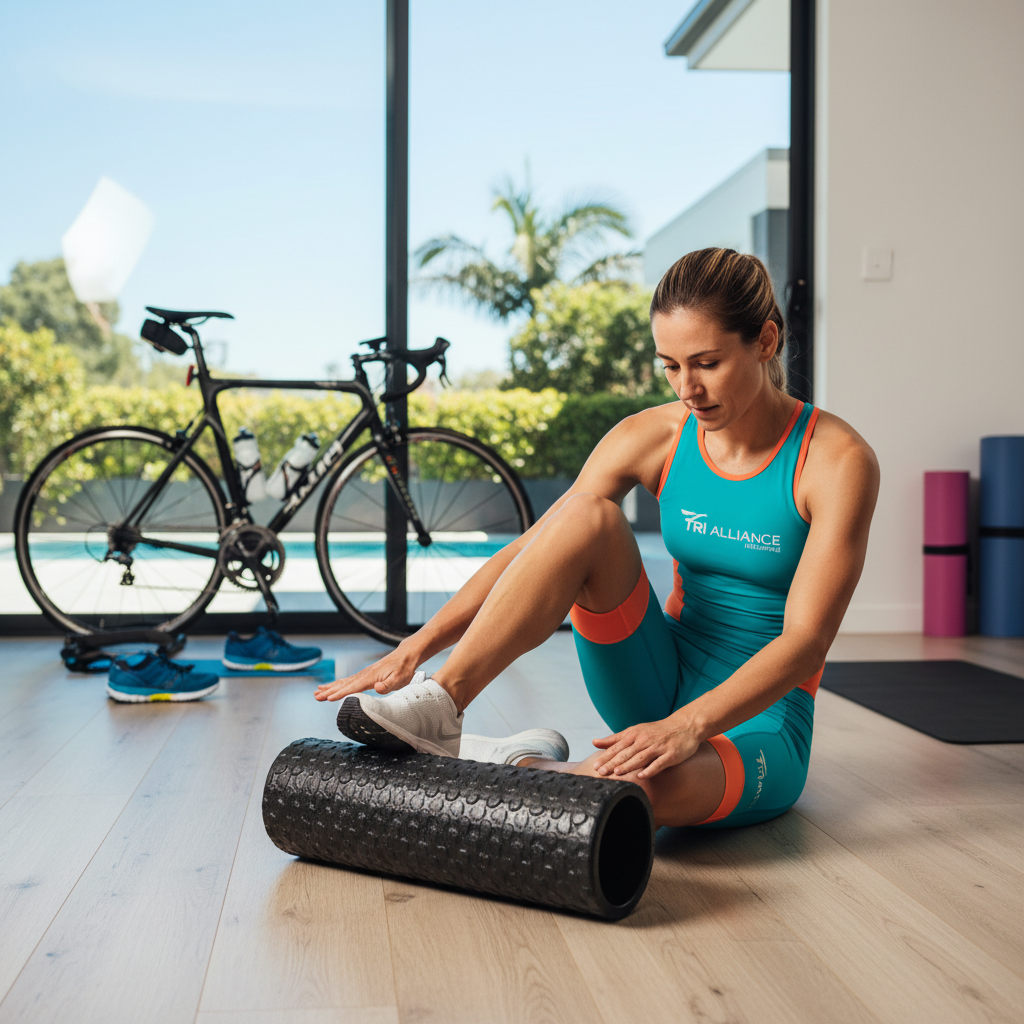
Foam rolling — technically called self-myofascial release (SMR) — is one of the most accessible and evidence-supported recovery tools available to triathletes. When used correctly, it reduces delayed onset muscle soreness (DOMS), improves range of motion, and accelerates the recovery timeline between sessions. Used incorrectly, it’s time wasted and potentially counterproductive. This guide covers specific muscles, durations and techniques tailored to triathlon training demands.
How Foam Rolling Works: The Physiology
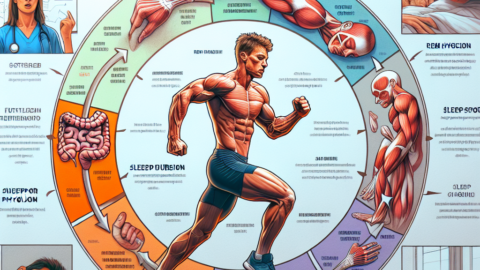
Foam rolling applies sustained mechanical pressure to soft tissue, targeting the fascia — the connective tissue encasing muscles. This pressure stimulates mechanoreceptors that inhibit muscle tone via the Golgi tendon organ response. The result is reduced muscle tension, improved tissue extensibility and enhanced blood flow to the targeted area.
Research shows foam rolling reduces DOMS by 30–40% when applied within 1–2 hours post-exercise, and improves short-term flexibility more effectively than static stretching alone when combined with stretching protocols.
Complete Foam Rolling Protocol for Triathletes
Lower Body: Priority Areas for Run and Bike
| Muscle Group | Duration | Technique | Position |
|---|---|---|---|
| IT Band (iliotibial band) | 60–90 sec each side | Slow roll from hip to just above knee; pause on tender spots 20–30 sec | Side-lying, top leg bent forward for support |
| Quadriceps | 60 sec each side | Roll from hip flexor to just above knee; pause at midpoint | Prone (face down), forearms supporting |
| Hamstrings | 60 sec each side | Roll from sit bone to back of knee; cross opposite ankle for more pressure | Seated, hands behind for support |
| Calves | 45 sec each side | Roll from Achilles to back of knee; rotate foot inward/outward | Seated, leg extended, cross opposite leg for more pressure |
| Glutes / Piriformis | 60–90 sec each side | Cross ankle over opposite knee (figure-4 position), lean onto roller | Seated on roller, tilted to one side |
| Hip flexors / TFL | 45 sec each side | Roll just below hip crest; small side-to-side movements | Prone, slightly angled |
Upper Body: Priority Areas for Swim
| Muscle Group | Duration | Technique | Position |
|---|---|---|---|
| Thoracic spine | 60–90 sec | Place roller perpendicular to spine at mid-back; support head, extend over roller; move 2–3 vertebrae at a time | Supine, knees bent |
| Lats (latissimus dorsi) | 45 sec each side | Arm overhead, roll from armpit to bottom of ribcage | Side-lying |
| Pectorals | 30 sec each side | Use a smaller ball (lacrosse/tennis) on the pec minor, just inside the shoulder joint | Prone, arm outstretched |
Timing: Pre vs Post Training
Pre-Workout Foam Rolling (5–8 minutes)
Foam rolling before training improves range of motion and reduces tissue restriction without impairing force production (unlike static stretching pre-workout). Focus on the 2–3 areas most relevant to that session. Keep duration shorter: 30–45 seconds per area. Follow with dynamic movement drills before beginning the main session.
Post-Workout Foam Rolling (10–20 minutes)
This is where foam rolling delivers most recovery benefit. After training, muscles are warm and more receptive to tissue work. Use longer pauses (20–30 seconds) on tender points. Work systematically through all major groups recruited in the session. Combine with static stretching immediately after rolling for amplified flexibility gains.
Rest Day / Evening Foam Rolling
A 15–20 minute full-body session on rest days maintains tissue quality and accelerates recovery from the previous day’s training. This is particularly effective the evening before a hard session to reduce residual tightness.
Roller Selection Guide
| Roller Type | Best For | Pressure Level |
|---|---|---|
| Smooth foam (EVA) | Beginners, sensitive areas | Low |
| Textured/grid roller | General use, quads, hamstrings | Medium |
| Firm PVC or vibrating roller | Experienced users, deeper tissue work | High |
| Lacrosse ball | Glutes, pec minor, plantar fascia, specific trigger points | Very high (targeted) |
| Peanut (double ball) | Thoracic spine (avoids spinous processes) | Medium-high |
Common Foam Rolling Mistakes
Rolling Too Fast
The most common mistake. Moving quickly over muscles provides minimal benefit — mechanoreceptor inhibition requires sustained pressure. Roll at 1–2 cm per second and pause at tender spots for at least 20 seconds.
Rolling Directly on Joints and Bones
Never roll the IT band directly over the lateral knee, the lower lumbar spine (L1–L5), or the back of the knee (popliteal fossa). These areas contain sensitive structures not suited to direct compression.
Skipping the Foam Roll When Sore
Tenderness during rolling is normal and expected in DOMS areas. The pain-avoidance instinct to skip rolling when sore is counterproductive. Gentle rolling over sore areas (using lighter pressure or a softer roller) accelerates recovery by increasing circulation to inflamed tissue.
Neglecting the Thoracic Spine
Swim-heavy triathletes commonly develop thoracic tightness from prolonged aero positioning and overhead pulling. Thoracic extension over the foam roller (placed perpendicular to the spine) counteracts this and is one of the most impactful mobility interventions available without equipment.
Integrating Foam Rolling with Your Tri Alliance Training
The Tri Alliance Victoria training programs are structured with recovery days that pair well with extended foam rolling sessions. Schedule 15–20 minute rolling sessions on active recovery days and after each key session (long ride, long run, swim squad). For athletes training more than 10 hours per week, consider investing in a vibrating foam roller — research shows vibration at 30–50Hz further reduces DOMS compared to standard rolling.
For personalised recovery programming and injury prevention strategies, Tri Alliance coaches can integrate targeted rolling protocols into your individual training plan.
FAQ: Foam Rolling for Muscle Recovery
How long should I foam roll each session?
10–20 minutes post-workout covering all recruited muscle groups. Pre-workout: 5–8 minutes on priority areas. Rest day sessions: 15–20 minutes full body. Quality of technique matters more than duration — 10 focused minutes beats 30 minutes of casual rolling.
Can foam rolling replace a sports massage?
Foam rolling is an effective maintenance tool between massage sessions, but it cannot replicate deep tissue work or the neuromuscular techniques a skilled sports physiotherapist applies. For training loads above 10 hours per week, aim for monthly professional massage with weekly foam rolling as maintenance. Schedule massages 48–72 hours after hard sessions, not immediately after.
Does foam rolling actually reduce DOMS?
Yes — research consistently shows 20–30% reductions in DOMS severity when foam rolling is performed within 1–2 hours post-exercise and again 24 hours later. The mechanism is primarily increased blood flow and reduced inflammatory cytokine activity in the treated tissue.
Is it safe to foam roll every day?
Yes, daily foam rolling is safe and beneficial. Unlike strength training, there is no tissue damage from foam rolling that requires a recovery period. Daily rolling — especially thoracic spine work — accelerates cumulative tissue quality improvements over weeks of consistent practice.
Where can I learn proper foam rolling technique in Melbourne?
Tri Alliance group training sessions incorporate recovery practices including foam rolling. Alternatively, most Melbourne physiotherapy clinics and exercise physiology practices offer single technique sessions. Starting with a qualified professional to learn correct positioning is worth the investment before developing habits independently.
Discover more from Tri Alliance Triathlon Community
Subscribe to get the latest posts sent to your email.