Why Mental Toughness Determines Your Ironman Result
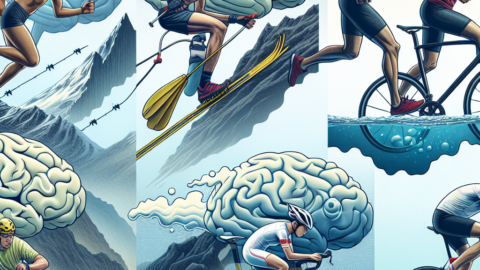
Every Ironman athlete reaches a point in the marathon leg where the body says stop. What separates finishers from DNFs isn’t fitness — it’s the mental framework built over months of deliberate psychological training. For Melbourne-based triathletes preparing for events like Ironman Melbourne or Challenge Shepparton, developing mental toughness is as structured a process as your swim-bike-run program.
Mental toughness in Ironman is defined as the capacity to maintain consistent effort and decision-making across 10–17 hours of racing despite escalating physical discomfort, nutrition challenges, and self-doubt. Research from sport psychology confirms it can be trained — and the sooner you start, the deeper the adaptation.
The 4 Pillars of Ironman Mental Resilience
1. Goal Architecture: Outcome, Process and Contingency Goals
Effective goal-setting for Ironman operates on three levels:
- Outcome goal: Finish in under 12 hours
- Process goals: Hold 145W normalised power on the bike; run the first 10km at 5:45/km
- Contingency goals: If HR exceeds 155bpm by km 30 of the run, drop pace by 15 seconds/km
Having pre-set contingency goals removes the emotional decision-making that breaks athletes on course. When things go wrong — and they will — you execute the plan you wrote in training, not the one panic creates in the moment.
2. Structured Visualisation Practice
Visualisation is most effective when practised daily for 10–15 minutes, not just in the week before the race. The evidence-based protocol used by elite athletes includes:
- Mentally rehearse the race in real time at least 3 times during your taper
- Visualise adversity scenarios: flat tyre at km 80, stomach cramp at km 2 of the run, hitting a low patch at the Special Needs bag
- Always end the visualisation with successful completion — cross the finish line every time
Melbourne athletes can use Port Phillip Bay swim conditions, the Nepean Highway bike route, or the Albert Park run course as the mental canvas for their rehearsals.
3. Discomfort Tolerance Training
Deliberate exposure to discomfort during training inoculates you against race-day suffering. Practical protocols:
| Training Session | Mental Challenge | Frequency |
|---|---|---|
| 6am open water swim (winter, Elwood Beach) | Cold water entry, reduced visibility | 2x/week in base phase |
| 5hr ride with 2hr run brick | Managing fatigue accumulation | 1x/fortnight peak phase |
| Run-to-exhaustion intervals | Breathing through the pain cave | 1x/week |
| Training in adverse weather | Focus maintenance when conditions deteriorate | As conditions allow |
4. Mindfulness and Present-Moment Focus
Ironman athletes who practise mindfulness for 10 minutes daily report reduced perceived exertion and better pacing decisions. Key techniques:
- Body scan: Every 20 minutes on the bike, scan from feet to neck — identify and release tension before it compounds
- Mantra repetition: Short, rhythmic phrases (“smooth, strong, steady”) anchor attention during the run
- Breathing cues: 4-count inhale, 4-count exhale during high-stress moments (T1, T2, early run kilometres)
Overcoming the Psychological Wall: Kilometre 30 of the Run
Most Ironman athletes experience their hardest psychological moment between km 28–35 of the marathon. This is where training and race-day mental strategies converge. Effective protocols for this phase:
- Segment chunking: Break the remaining distance into 2km blocks, not the full remaining distance
- Aid station focus: Race from aid station to aid station — the next one is always achievable
- Positive self-talk audit: Replace “I can’t hold this pace” with “I trained for exactly this moment”
- External focus shift: Count athletes you pass, read spectator signs, engage with the crowd
Building Your Mental Toughness Training Block
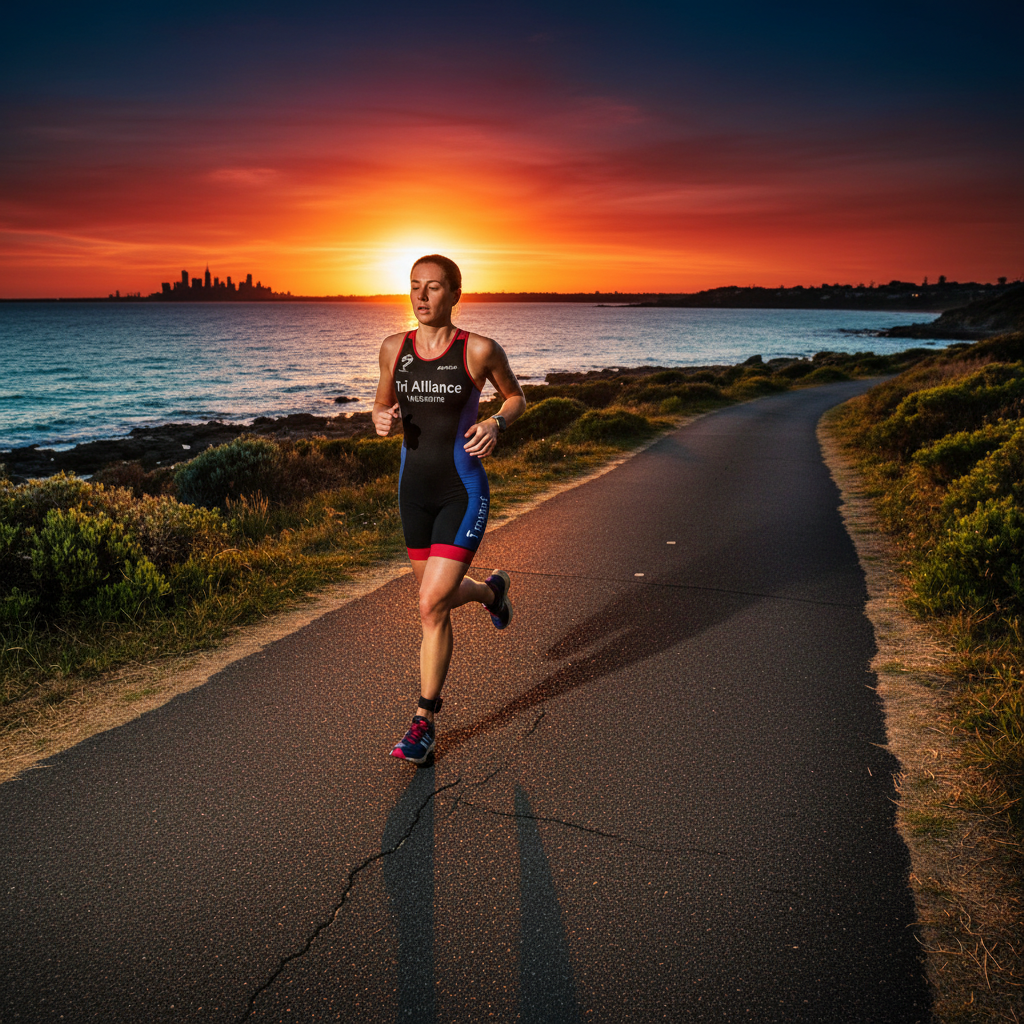
The Tri Alliance Victoria coaching program integrates psychological periodisation alongside physical training. A 16-week mental toughness block might look like this:
- Weeks 1–4 (Base): Daily 10-min visualisation; introduce discomfort training sessions
- Weeks 5–8 (Build): Add contingency goal scenarios; practice mindfulness during long sessions
- Weeks 9–12 (Peak): Full-race visualisations; simulate race-day stress (early starts, race nutrition)
- Weeks 13–16 (Taper): Daily positive self-talk practice; confidence-building review of training data
Support Systems and Professional Resources in Melbourne
Mental toughness isn’t built in isolation. Melbourne athletes have access to:
- Sport psychologists: The Australian Institute of Sport maintains a referral network for registered triathletes. MSAC (Melbourne Sports and Aquatic Centre) also offers sport psychology consultations.
- Tri Alliance training groups: The squad environment provides built-in accountability and shared adversity — critical for mental conditioning
- Peer mentorship: Pairing first-time Ironman athletes with experienced finishers for pre-race psychological support
Frequently Asked Questions: Mental Toughness for Ironman
How long before my Ironman should I start mental toughness training?
Ideally 16–20 weeks before race day. Mental skills require the same progressive overload as physical fitness. Starting visualisation and mindfulness practices early in your build phase gives the techniques time to become automatic before you need them in the race.
What’s the best way to handle a mid-race mental breakdown?
Pre-plan a “reset protocol” you can execute in 60 seconds: stop forward-thinking (don’t calculate your finish time), reduce your focus to one aid station ahead, take three deep belly breaths, repeat your mantra. Athletes who have rehearsed this protocol in training execute it effectively on course.
Can mental toughness compensate for fitness gaps on race day?
Within limits, yes. Athletes with equivalent fitness but superior mental preparation consistently outperform on course — particularly in the run leg. Mental toughness won’t override a 10-week taper gone wrong, but it absolutely determines outcomes when fitness levels are matched.
What warning signs indicate mental burnout before an Ironman?
Watch for: persistent dread about training sessions (not just pre-session reluctance), inability to visualise race completion positively, emotional flatness for 2+ weeks, and loss of motivation that doesn’t resolve after a rest day. If three or more of these persist for more than 2 weeks, consult a sport psychologist or speak with your Tri Alliance coach.
How do Melbourne’s training conditions help build mental toughness?
Melbourne’s notoriously variable weather — cold Port Phillip Bay swims, headwinds on the Frankston highway, heat on summer long runs — is actually an asset for mental conditioning. Athletes who train consistently through these conditions arrive at their race with confidence that no weather scenario will derail them.
Discover more from Tri Alliance Triathlon Community
Subscribe to get the latest posts sent to your email.